Due to globalization, the internet, rising education levels, and long-term democratization, citizen diplomacy is growing, and becoming a more important part of diplomacy and international affairs. Thus, in 2020, the Public Diplomacy Council of America (PDCA), a US-based NGO devoted to advancing the field of public diplomacy, formed the Citizen Diplomacy Research Group (CDRG) to advance the research and practice of citizen diplomacy. In 2023, the CDRG became Citizen Diplomacy International(CDI), a network and program of Learning Life, a Washington DC-based nonprofit devoted to developing innovative learning communities in order to widen and deepen participation in democracy and diplomacy.
CDI meets every three months online via Zoom for 1.5 hours to share research and news on citizen diplomacy developments worldwide with an eye to building a vibrant global CD sector for a more participatory, equitable and sustainable world.. Meetings typically begin with two presentations on CD research or practice, followed by discussion of the presentations, then news and announcements of past or upcoming international CD-related initiatives, publications, funding, conferences, etc.
Anyone — including scholars, students, citizen diplomacy practitioners, current and retired official diplomats, and others interested — can join CDI to learn, network, and/or present substantial research or practice in citizen diplomacy. For more information or to join the CDI email list, contact email@learninglife.info. You can also connect with CDI members via our Facebook group andLinkedin group, to which you can post citizen diplomacy-related articles, books, events, funding, etc.
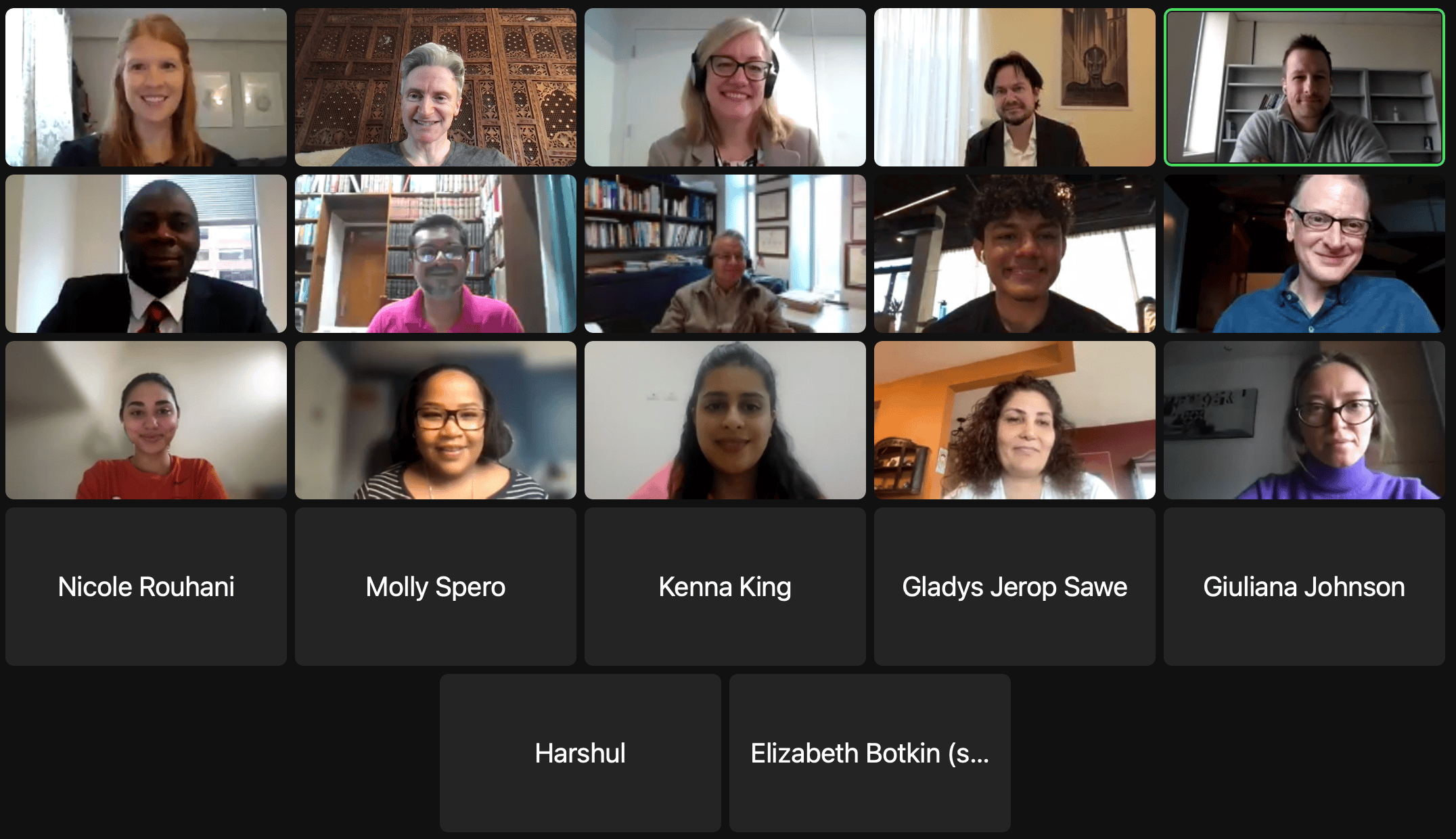
The meeting drew 24 participants from at least 11 countries, including the USA, Canada, Bolivia, France, Austria, Kenya, Democratic Republic of Congo, Sudan, Israel, Iran, and Bangladesh.
1) Opening Remarks & Introductions (10 minutes)
Review of meeting agenda. During this time everyone is encouraged to post to the chat a one-paragraph bio about themselves. Introductions via chat saves us time, provides written details about you, and allows us to share your info after the meeting with those who could not attend. In addition, I will share the Zoom chat content to the CDRG email list following the meeting, so whatever you share will get a wider audience.
2) Two Presentations (30 minutes):
Presenters:
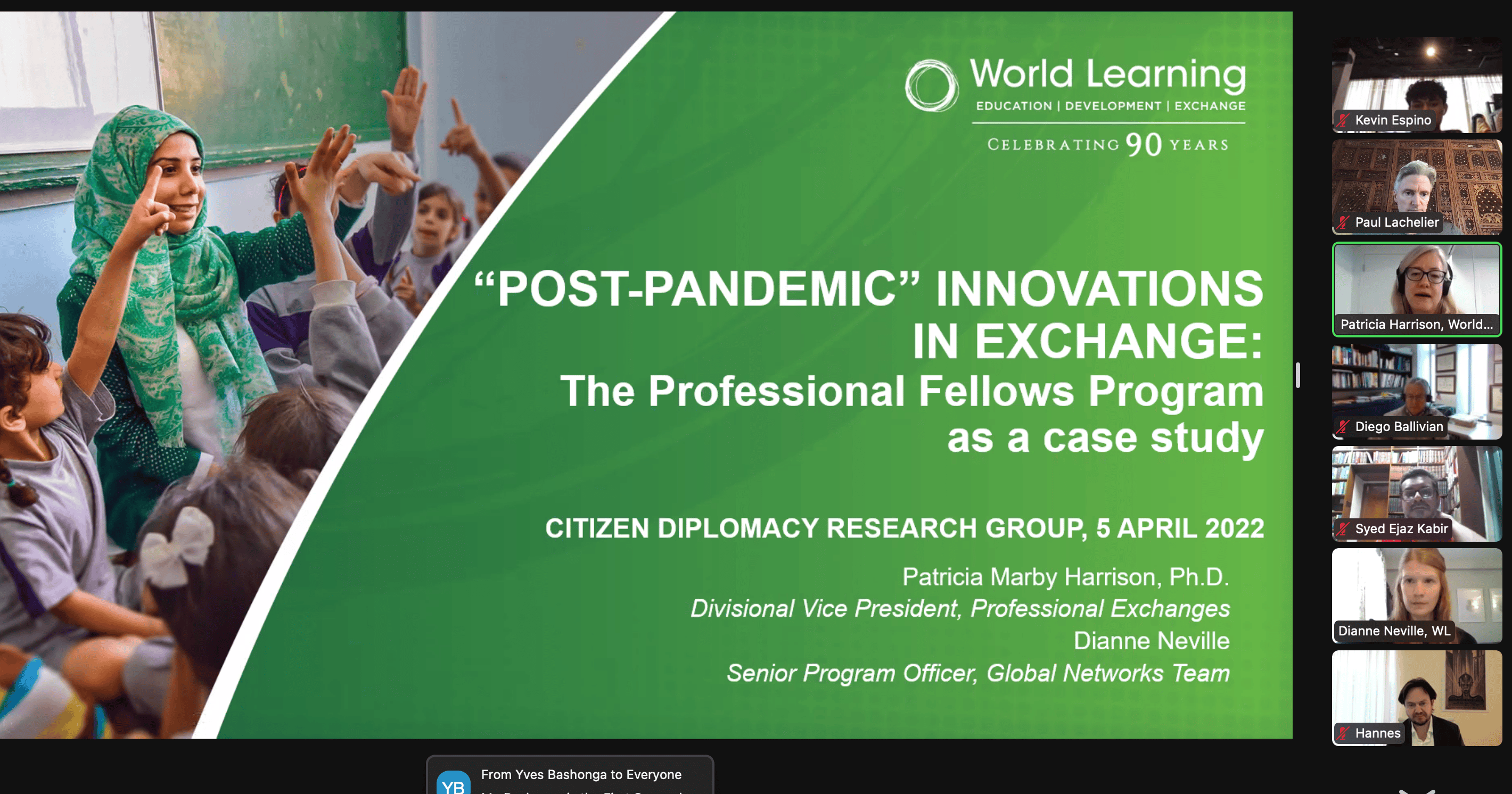
Patricia HarrisonandDianne Neville, World Learning, USA: ’Post-Pandemic’ Innovations in Exchange: The Professional Fellows Program as a Case Study.
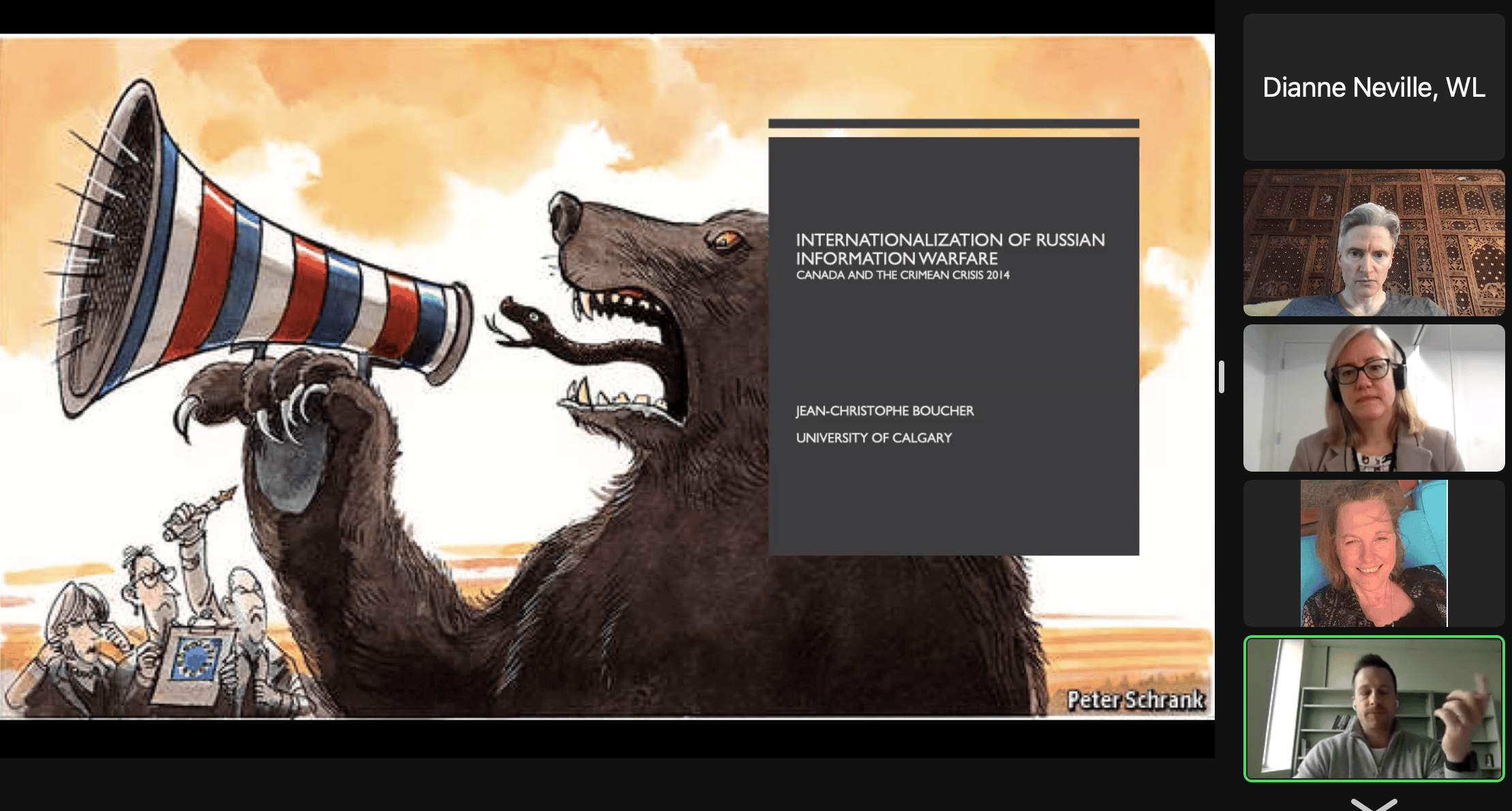
Jean-Christophe Boucher, University of Calgary, Canada: Ukrainian Diaspora Mobilization during the Crimean Crisis
3) Questions & Discussion about the Presentations (35 minutes)
4) Announcements (15 minutes).
A) Amal Burbar, CD Bulletin Assistant Editor: Viewing of CD Bulletin April issue.
B) Meeting participants have the opportunity to publicize citizen diplomacy events, publications, projects, programs, and related needs. Participants can also post details and links to the Zoom chat box to share with the wider CDRG email list.
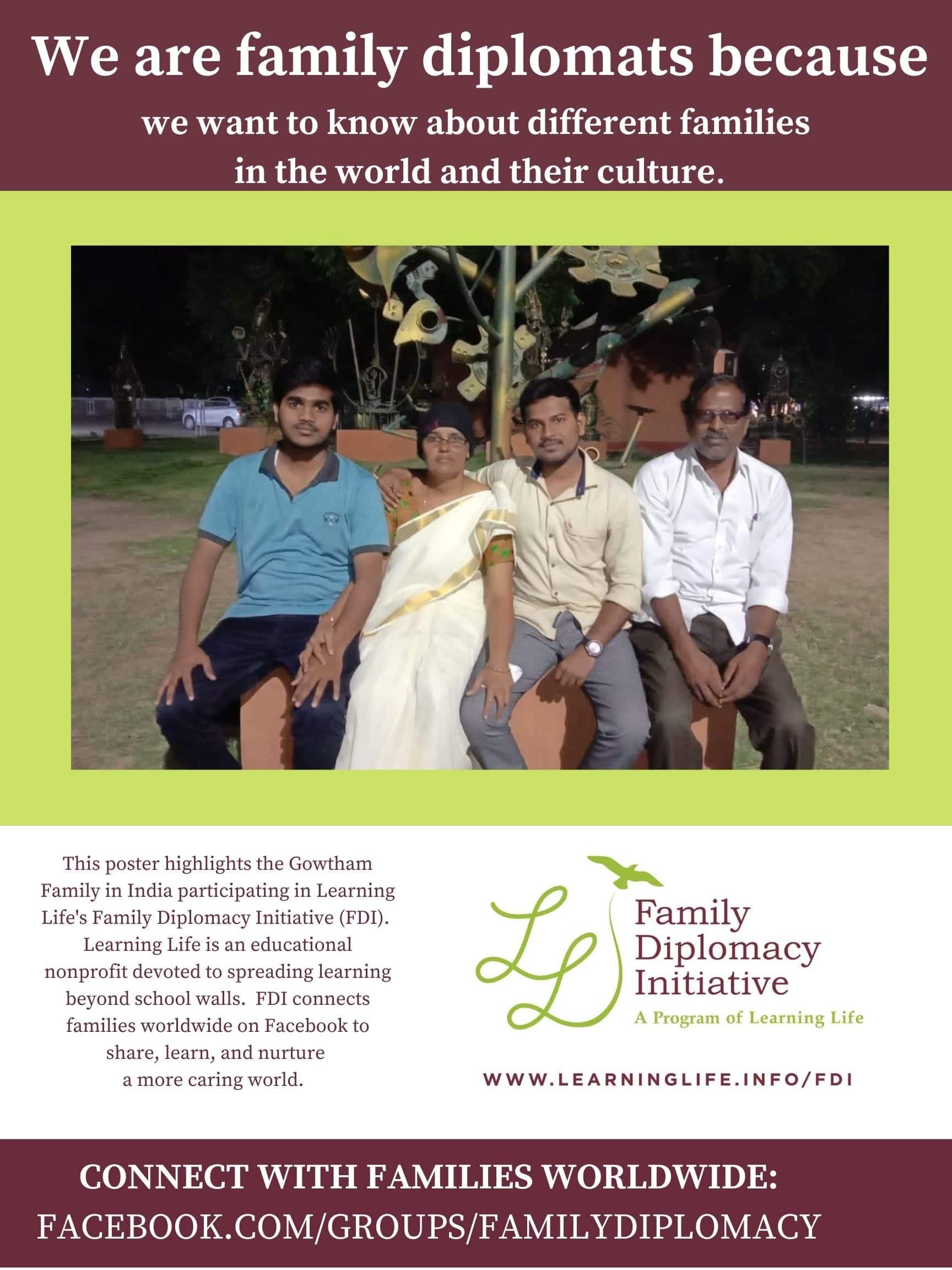
What Is Family Diplomacy?
This post, in the form of a Q&A, answers some basic questions about family diplomacy. It is the fourth in a series of posts intended to advance family diplomacy as a new form of citizen diplomacy for a more caring world. Read the first post here.
What is family diplomacy?
Family diplomacy means three things:
Families talking and learning together across lines of country, class, race and religion.
Families publicly voicing their own and other families’ needs, concerns and aspirations.
Families participating in the decisions that affect their lives via local to global nonprofits, governments and businesses.
To learn more about the idea of and reasons for family diplomacy, click here.
Why family diplomacy?
Our world is becoming more complex and interdependent as more people, goods, services and interactions flow across national borders. This changing global reality has triggered xenophobic, sometimes violent reactions that have been validated and amplified by political activists and opportunistic leaders. Diplomacy is rightly upheld as an important response to the mounting tensions within and between some countries, but diplomacy should not be left strictly to professionals. The internet, laptops and smart phones open exciting possibilities for citizens to be involved in diplomacy to help promote peace, prosperity and justice, but success and our global future depend in part on fresh approaches.
Families are widely valued across the world, and deeply impacted by international affairs, from global trade, to immigration, to climate change. Yet the voices of families are hardly heard in intergovernmental bodies like the United Nations, even as the voices of youth and women are rightly being amplified. Allowing families to connect online, learn, and speak publicly to their needs, concerns and aspirations via governments, businesses, nonprofits and media across the world is a fresh approach to nurturing a more caring world. Learn more about why families should be involved in diplomacy here.
How does Learning Life define family?
Families come in all shapes and sizes, so we define families broadly as two or more people related by blood, marriage, and/or a legal, caring commitment to each other. This, to us, includes same-sex and opposite-sex couples, unmarried couples, couples with or without children, single parents with one or more kids, siblings or cousins living together, grandparents living with grandchildren, and others, including adopted children and family pets. The importance of family is love, not who loves.
Learn how you can get involved in international family diplomacy here.
Stakeholder Spotlight: Sherry Mueller
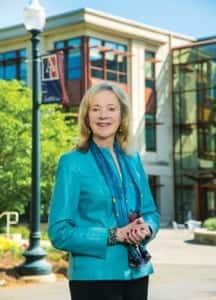
The “Stakeholder Spotlight” is a new occasional series of posts highlighting people who are helping to advance Learning Life’s work. Our second post in this series features Sherry Mueller, Ph.D., a widely admired American citizen diplomacy leader, and a strong supporter of Learning Life’s Family Diplomacy Initiative. For more information on ways you can support Learning Life, click here.
What is your current occupation?
I am a Distinguished Practitioner in Residence at the School of International Service (SIS), American University, Washington, D.C., teaching a graduate Practicum entitled “Cultural Diplomacy and International Exchange.” I am also the President of the Public Diplomacy Council, a nonprofit organization that promotes excellence in the professional practice, academic study, and advocacy for public diplomacy.
Please tell us more about you.
I grew up on a farm in northern Illinois and went to the last of the one-room school houses. There was one teacher for all eight grades. If you were bright you would be asked to help teach the younger children. By the time I was in the fifth grade I was teaching second graders spelling and reading. I think this experience was the first step in defining me as an educator. And I am still teaching. I am preparing to teach a practicum fall semester on cultural diplomacy and international exchange at the School of International Service at American University, my undergraduate alma mater. I have always enjoyed teaching because I view it as an intellectual journey of joint learning. I always say, if my students are learning as much as I am, we are having a successful semester.
Why did you decide to support Learning Life?
I donate to Learning Life because I passionately believe in the power of citizen diplomacy. There is an urgent need to connect people — to help them appreciate their differences but, most importantly, to help them appreciate their common human aspirations. That is the mission of Learning Life.
Democracy Learning Community Planning Starts!
On Wednesday, February 23, Learning Life held its first of ten anticipated meetings to plan the DC-MD-VA Democracy Learning Community (DMV DLC) in light of challenges of authoritarianism, polarization and participation inequality in the USA. The meetings will culminate in a report to be released by January 2023. The report will envision what a fully developed DLC could look like, drawing on the diversity of ideas and existing solutions to invigorating democracy in communities and metro regions in the USA and abroad. The report will also provide an action plan with specific activities that metro Washington DC stakeholders are willing to move forward with in 2023.
The 2022 planning meetings are the next step in the development of the DMV DLC, following on the first successful step: Learning Life’s Democracy Dinners. The Dinners were launched in June 2019 to bring together metro DC’s many democracy sector professionals to talk in small groups of 8-12 participants about the challenges and possibilities for democracy at local to global levels. The Dinners, conducted via Zoom since the Covid pandemic, are intended to help build a network in support of the development of the DLC, and since 2019, Learning Life has successfully built a growing list of close to 4,000 metro DC democracy professionals we invite to the Dinners, and over 150 people who have attended the Dinners once or more. “Our nation’s capital region is an opportune place to bring diverse, knowledgeable and connected people together to think creatively about how to strengthen democracy at a local level. In line with Learning Life’s mission to spread learning in everyday life beyond school walls, our intention here is to cultivate a democracy learning community that encourages wider participation, collaboration, and dialogue across our many lines of difference,” said Learning Life’s founder, Paul Lachelier.
To learn more about the DMV DLC, or get involved, click here.