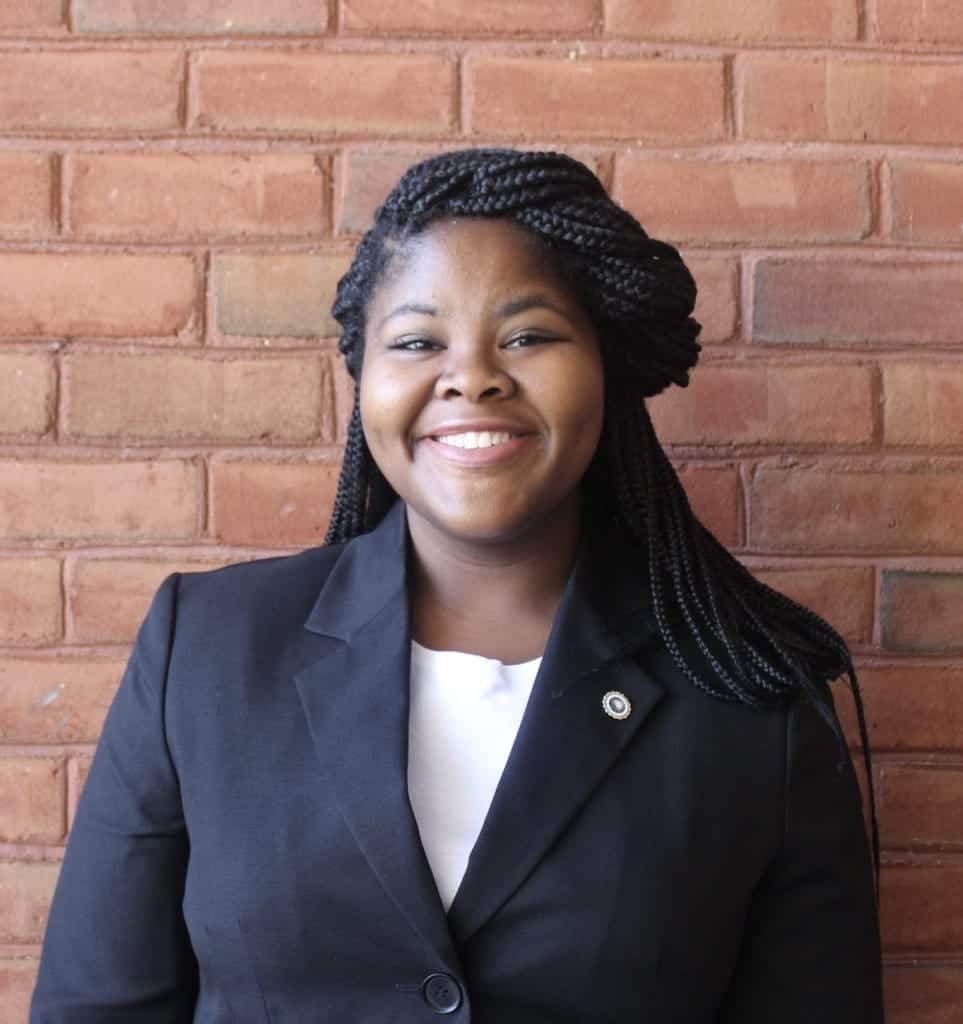
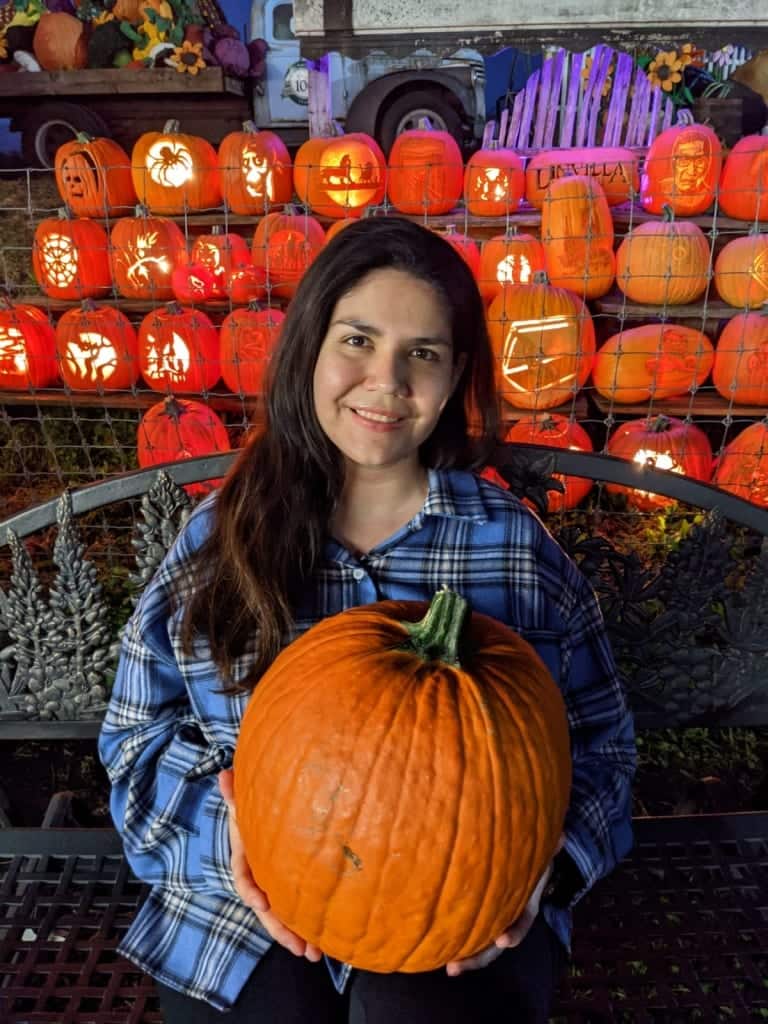
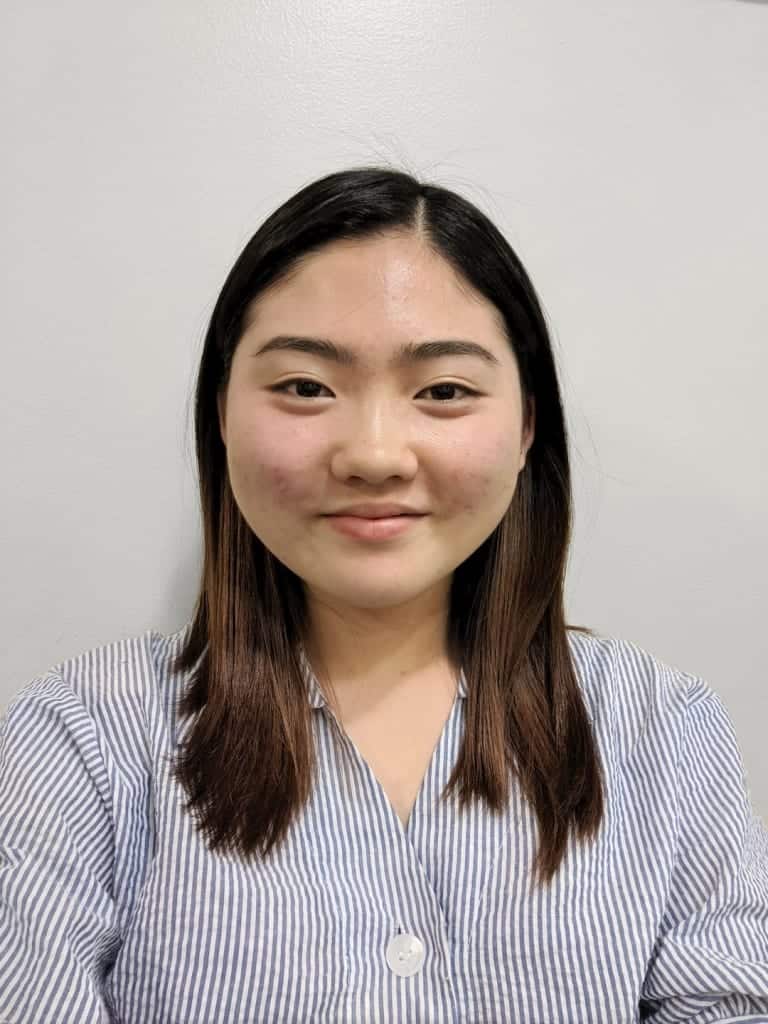
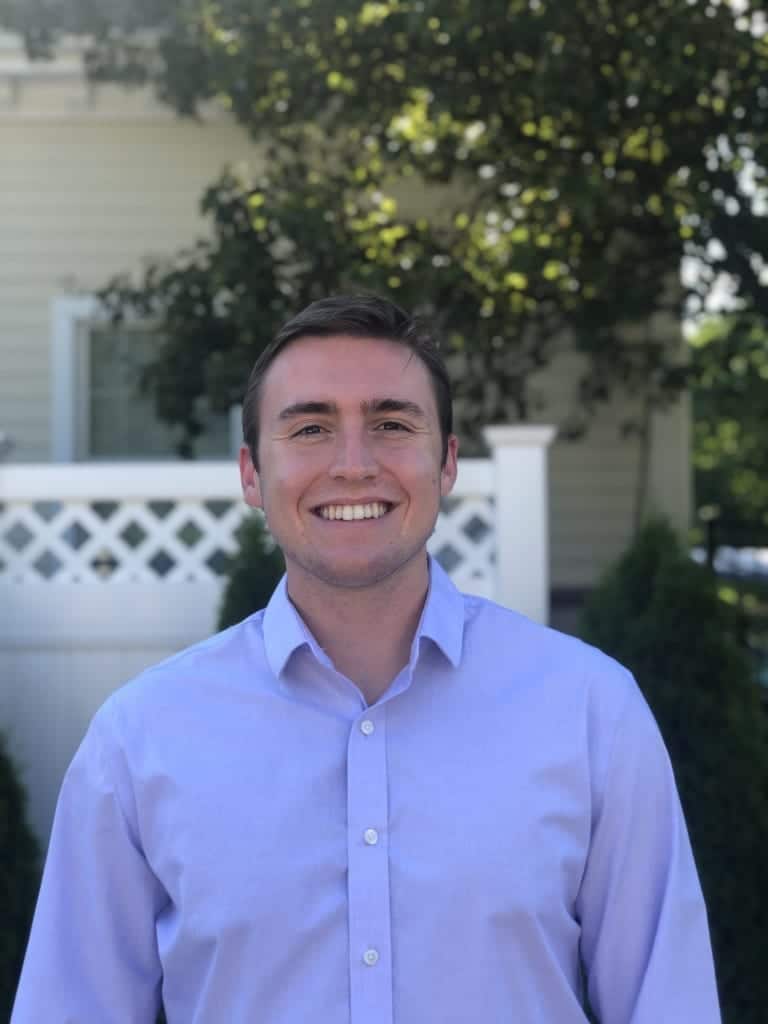
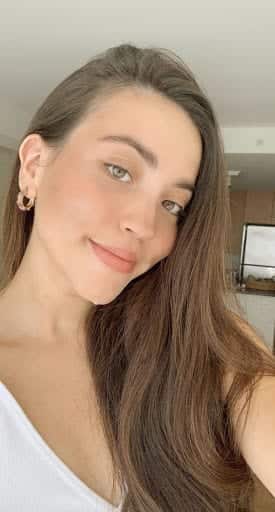
Learning Life’s student interns this fall 2020 are, among other things, post-interviewing family representatives worldwide that are completing our Family Diplomacy Initiative (FDI) food culture project, developing e-books from the project, growing FDI membership on Facebook at a rate of about 10 new members per day, building the invitation list for our Democracy Dinners, contributing research and writing for upcoming Learning Life articles on trivia vs. signia, learning in different contexts, the consequences of caring, world food culture, and more. We are very grateful for our fall interns’ important and dedicated work.
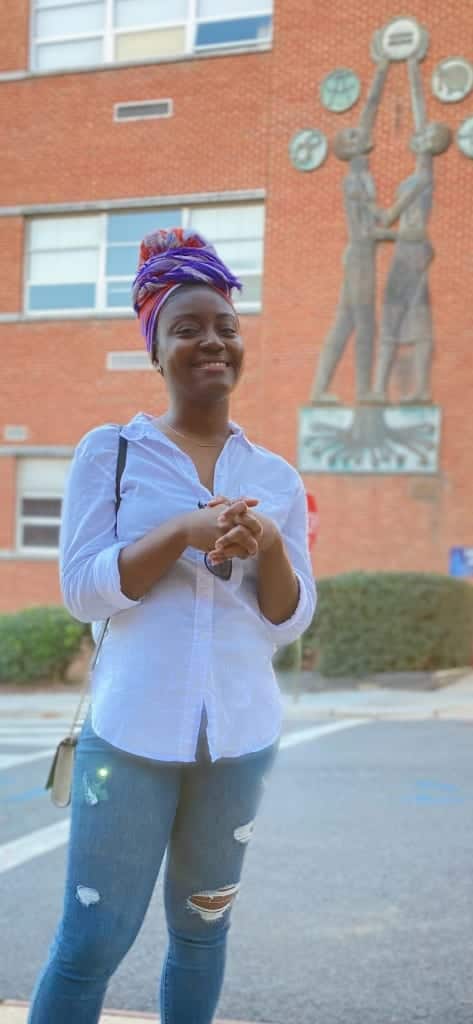
MAGGI CHAMBERS
Year, major and school: I am a senior international business major, and a political science minor with a concentration in Middle Eastern culture and studies at Howard University.
Hobbies: I love listening to music. My favorite genres are Hip Hop and R&B. I also love going out with my friends and watching movies with them on the weekends.
Career aspirations: My ultimate career goal is to direct a non-profit organization that inspires students to pursue international careers. In the shorter-term, I plan to work in policy and economic development for international organizations that focus on Middle East peace and conflict resolution.
Why Learning Life? I chose to intern with Learning Life to enhance my outreach skills. I had done outreach work before, but I knew it was a skill I needed to build on. Additionally, I wanted to learn some fundamentals of grassroots movements and non-profit management.
OLIVIA CHAVEZ
Year, major and school: I am a graduate student at American University in the School of Public Affairs working on a Master’s in Political Communications.
Hobbies: Pre-COVID I traveled as much as possible. I love exploring Washington DC and the East Coast, but I also enjoy traveling back west to California and Mexico to spend time with my family. I also enjoy podcasts, reading, and keeping up with the news.
Career aspirations: I would like to work in the public diplomacy field, whether that is through the private sector or in government.
Why Learning Life? I chose to intern with Learning Life because it seemed to be the most unique and worthwhile experience considering the divisiveness and political unrest in the United States these days. I was also curious about citizen diplomacy and the Family Diplomacy Initiative.
NOELLE CURTIS
Year, major and school: I am a junior at Johns Hopkins University double majoring in International Studies and Spanish.
Hobbies: I love to read in my free time! I adore classic novels the most. My favorite authors are Kurt Vonnegut and Haruki Murakami. I also love to cook and try out new cuisines in the kitchen when I get the chance.
Career aspirations: In the future, I hope to work in the fields of international affairs, diplomacy, and/or democracy. I’m still exploring the many opportunities out there!
Why Learning Life? I chose to intern with Learning Life because its core mission to promote greater cultural exchange and understanding resonated very strongly with me. As someone who’s fascinated by the world and people around me, Learning Life’s many initiatives are incredibly important to my own desire for a more caring and interconnected world. I hope my experience here continues to inspire me and others moving forward!
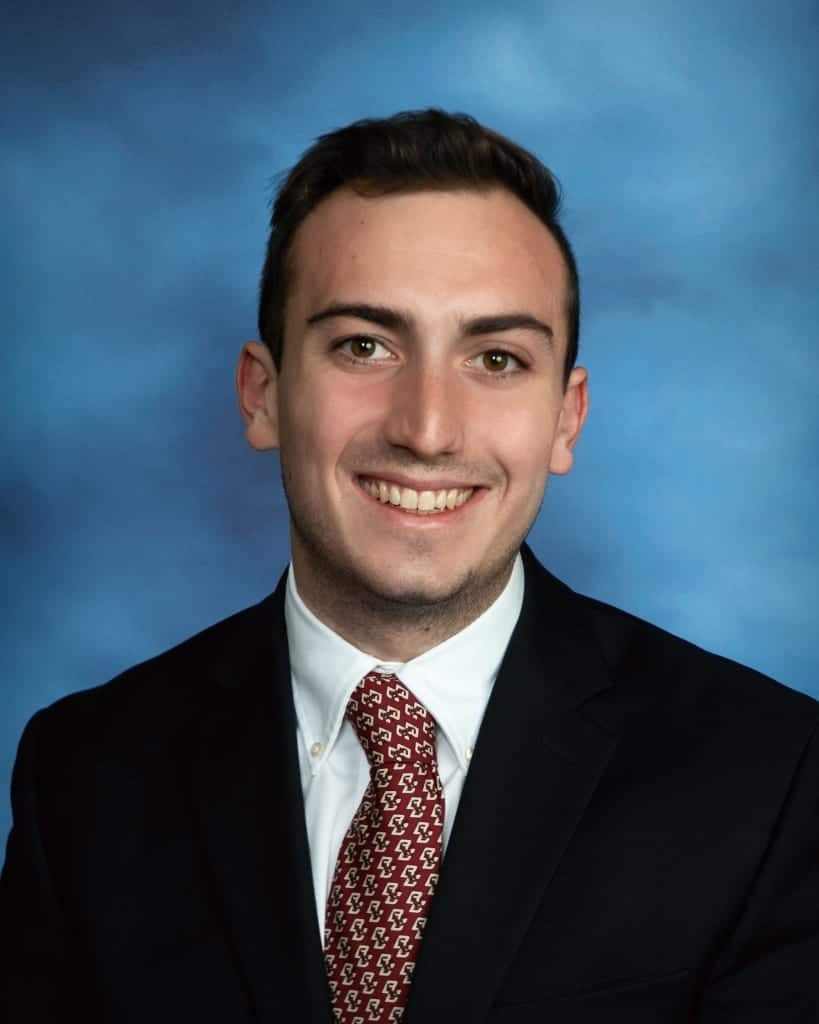
JOHN DIBELLO
Year, major and school: I am a graduate student at Georgetown University’s School of Medicine pursuing a degree in human physiology and biophysics. I received my undergraduate degree from Boston College in biology, global health and medical humanities.
Hobbies: Recently, I have been a bit obsessed with gardening. I have my own backyard veggie garden and my roommates and I also have four composting bins. I like to pick up new hobbies every couple of years. In the past, I played trombone in concert and marching bands, sang in a choir, and played hockey and rugby.
Career aspirations: I look forward to working as a physician as well as completing community health research and projects at local to global scales.
Why Learning Life? Learning Life envisions a world where we are all a bit more interconnected and where we turn to each other, rather than just books or our own social silos to learn. It’s mission promotes a more empathetic and democratic world during a highly contentious time in my own country’s politics as well as throughout the world.
NIKKI ESPINAL
Year, major and school: I am a sophomore at George Washington University. I am double majoring in international affairs and political science.
Hobbies: I love to read fiction, especially adventure and thriller novels, whenever I have the chance. Cooking with my sisters and trying new recipes is always a good time in our house. I am also currently learning Japanese, which will be my third language, besides English and Spanish, and I hope to learn more in the future, like Korean and Portuguese.
Career aspirations: I hope to get a Ph.D. focused on the relationships between Asia and Latin America/the Caribbean. I would also like to go to law school to eventually become an immigration lawyer to help children and families.
Why Learning Life? I have always thought about opening a nonprofit immigration law office to help even those who cannot afford expensive lawyers. Learning Life intersected my interests in nonprofit work and helping marginalized communities. The opportunity to work at Learning Life has helped me learn what it means to work in a nonprofit and how to better help the communities that need nonprofits the most. Joining Learning Life was one of the best decisions I have made throughout my young adult life.
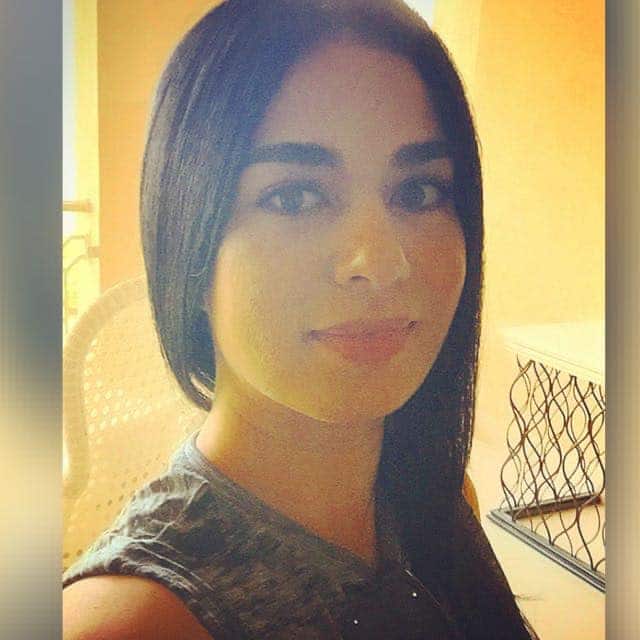
YASMINE EZZEKMI
Year, major and school: I am a senior majoring in politics at Marymount University.
Hobbies: What I enjoy most is planning and undertaking new adventures each year by traveling around the globe, and discovering new people, cultures and traditions. I am passionate about art, especially paintings of the Renaissance era. I also enjoy reading and watching documentaries about ancient civilizations, Greek mythology, and the Ottoman Empire.
Career aspirations: I am interested in joining the world of diplomacy and international relations. I also hope to write a book about the origins of my family ancestors, and the long journey they undertook before settling in North Africa.
Why Learning Life? I choose Learning Life because I support its noble aim, which is building a more peaceful world. It embodies my aspiration and vision about a world in which individuals around the globe come together to eliminate the fear that sets us apart in order to create understanding and build a better future for all of us. Most importantly, Learning Life gave me the opportunity to witness not only the positive impact of citizen diplomacy, but also its crucial role, which I will make sure to integrate in my future diplomatic work.
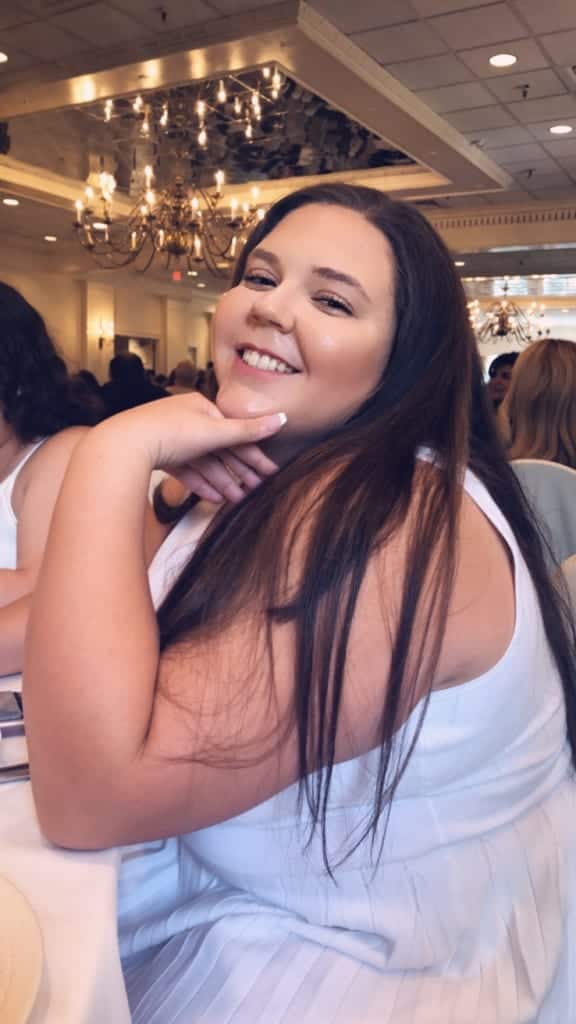
LORRANE KABERT
Year, major and school: I am a fourth-year medical student at Georgetown University’s School of Medicine.
Hobbies: My hobbies include exploring dishes from various cultures and trying to recreate them, grocery shopping at Trader Joe’s and Aldi, home decluttering and organizing, spending time with my family, and watching any and everything on Youtube, Hulu and Netflix.
Career aspirations: I will be going into family medicine. I plan to work as a doctor with underserved and vulnerable populations. I am also passionate about preventive medicine and culinary medicine.
Why Learning Life? Learning life was the perfect combination of all my passions. I am constantly seeking to become more culturally aware and competent, as the rest of the world should. I feel that talking about food is the perfect opportunity to engage people from all over, as it is one everyday thing everyone has in common regardless of class, race, etc. As a future physician that would like to interact with people from all sorts of backgrounds, food is a fun and relatable way to form connections. Learning Life has found a way for so many different families to connect and I am grateful to be a part of it!
MAX LIEBLICH
Year, major and school: I am a first-year graduate student at Georgetown University’s School of Foreign Service working on a Master’s in Global Human Development.
Hobbies: I love musical theater and everything related to it. I thus really enjoy singing, dancing, and acting. I’m also almost always happy when I get to be outdoors, so I do my best to scatter hikes and long runs throughout my weeks.
Career aspirations: I want to work in international development with a focus on developing human capital.
Why Learning Life? I decided to work with Learning Life because I’ve seen firsthand the power that nontraditional education can have. School can provide students with many of the tools they will need to succeed. There are, however, still gaps in the kind of education schools provide, especially for lower-income students. I believe Learning Life is doing really valuable work by helping to fill these gaps, giving students a better chance to succeed in an environment where the odds are often stacked against them.
ALEXIA VEGA
Year, major and school: I am a sophomore majoring in International relations at American University.
Hobbies: I spend most of my free time reading about history and politics, or helping plan fundraisers or activities for different clubs in my school. I also enjoy photography, and visiting different restaurants in the Washington DC area. Because I’m based in DC, I also have the amazing opportunity to visit museums and attend political events.
Career aspirations: I would like to work in a non-governmental organization or become a human rights lawyer to help amend the many injustices in our world.
Why Learning Life? I chose to intern with Learning Life because I felt a connection with the organization’s goals. I wanted to intern with Learning Life because I knew I would have a worthwhile experience, including interacting with people from different cultures and backgrounds.
Profile: Constanza Family (El Salvador)
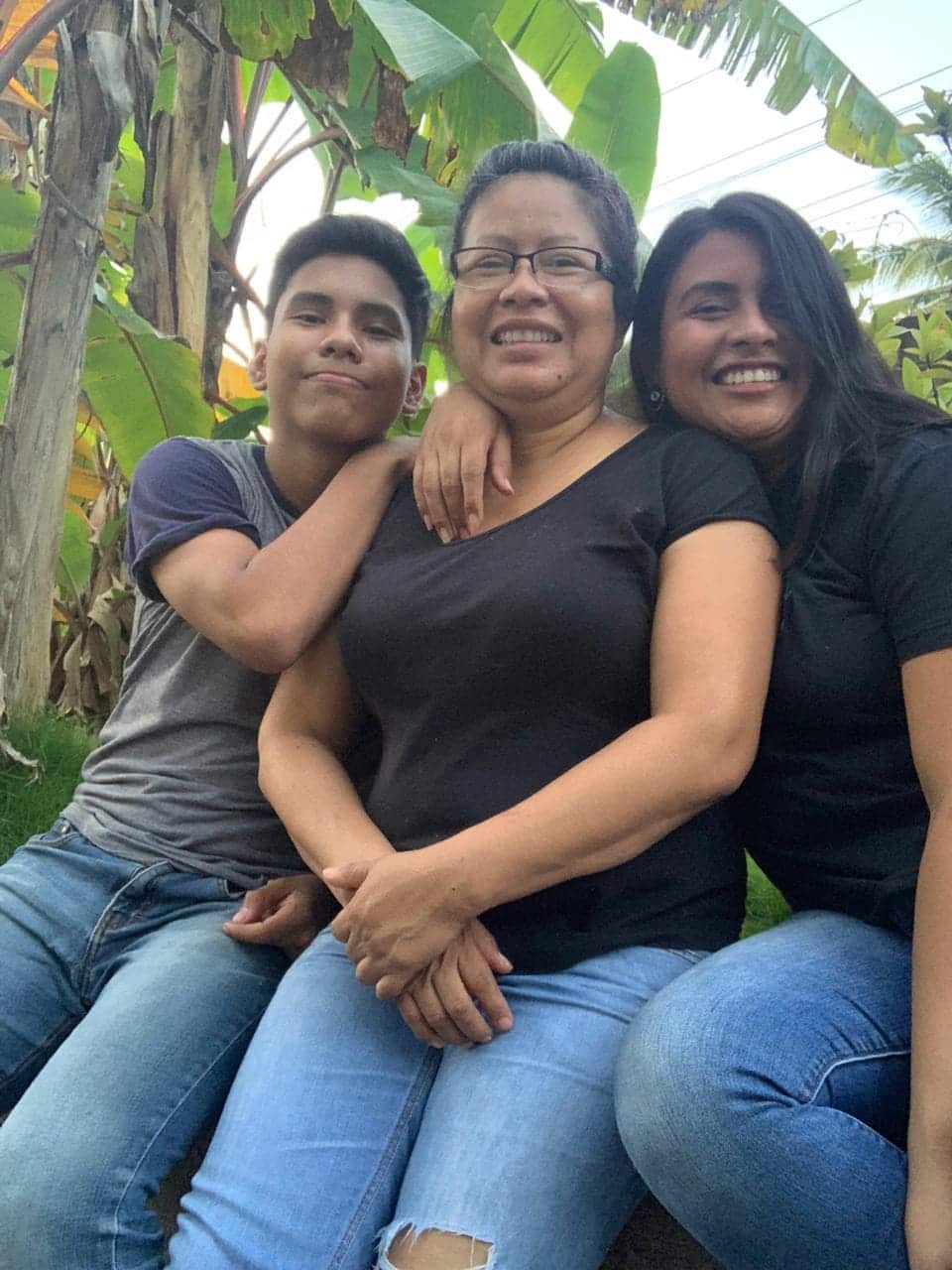
This is the fifth in a series of profiles of the families worldwide participating in our 2020 project on food culture as part of Learning Life’s Family Diplomacy Initiative on Facebook. From April to November this year, Learning Life is posing six food culture questions, and asking the families to provide their photographic answers. The project is intended to nurture sharing and learning between families worldwide, with an eye to promoting greater understanding, curiosity, and tolerance for difference in our divided and often violent world. (Why family diplomacy? Click here for five reasons.) Below, Yanira Constanza, the mother of two children in El Salvador, answers our family profile questions. We provide the questions and answers in English, Spanish and French.
Este es el quinto de una serie de perfiles de las familias de todo el mundo que participan en nuestro proyecto 2020 sobre cultura alimentaria como parte de la Iniciativa de Diplomacia Familiar de Learning Life en Facebook. De abril a noviembre de este año, Learning Life está posando seis preguntas sobre cultura alimentaria y pidiendo a las familias que brindan sus respuestas fotográficas. El proyecto está destinado a fomentar el intercambio y el aprendizaje entre familias de todo el mundo, con el objetivo de promover una mayor comprensión, curiosidad y tolerancia a las diferencias en nuestro mundo dividido y a menudo violento. (¿Por qué la diplomacia familiar? Haga clic aquí por cinco razones). A continuación, Yanira Constanza, madre de dos hijos en El Salvador, responde a nuestras preguntas sobre el perfil familiar. Proporcionamos las preguntas y respuestas en inglés, español y francés.
Il s’agit du cinquième d’une série de profils des familles du monde entier participant à notre projet 2020 sur la culture alimentaire dans le cadre de l’Initiative de Diplomatie Familiale de Learning Life sur Facebook. D’avril à novembre de cette année, Learning Life pose six questions sur la culture alimentaire et demande aux familles de fournir leurs réponses photographiques. Le projet vise à favoriser le partage et l’apprentissage entre les familles du monde entier, en vue de promouvoir une plus grande compréhension, curiosité et tolérance pour les différences dans notre monde divisé et souvent violent. (Pourquoi la diplomatie familiale? Cliquez ici pour cinq raisons). Ci-dessous, Yanira Constanza, la mère de deux enfants au Salvador, répond à nos questions sur le profil familial. Nous fournissons les questions et réponses en anglais, espagnol et français
Tell us about your family, and what city and country you live in. / Cuéntanos sobre tu familia y en qué ciudad y país vives. / Veuillez nous parler de votre famille et de la ville et du pays dans lesquels vous vivez.
Soy Yanira, la madre de mi familia y tengo 46 años. Los otros miembros de mi familia son mi hijo, Diego Mauricio, que tiene 15 años y mi hija Liliana Beatriz, que tiene 26 años. Mi familia vive en Soyapango, San Salvador, El Salvador.
My name is Yanira Constanza, I am the mother in my family and I am 46 years old. The other members of my family are my son, Diego Mauricio, who is 15 years old and my daughter Liliana Beatriz, who is 26 years old. My family lives in Soyapango, San Salvador, El Salvador.
Je m’appelle Yanira, je suis la mère de ma famille et j’ai 46 ans. Les autres membres de ma famille sont mon fils, Diego Mauricio, qui a 15 ans et ma fille Liliana Beatriz, qui a 26 ans. Ma famille vit à Soyapango, San Salvador, El Salvador.
Tell us one interesting thing about your family. / Cuéntanos algo interesante sobre tu familia. / Dites-nous une chose intéressante à propos de votre famille.
Algo interesante sobre mi familia es que mi hijo, Diego, fue al campamento de exploración en Brasil, y fue una experiencia maravillosa.
Something interesting about my family is that my son, Diego went to scout camp in Brazil, and it was a wonderful experience.
Quelque chose d’intéressant dans ma famille est que mon fils, Diego est allé au camp de scouts au Brésil, et ce fut une expérience merveilleuse.
Does your family practice any religion? / ¿Tu familia practica alguna religión? / Votre famille pratique-t-elle une religion?
Mi familia practica la religión católica.
My family practices the Catholic religion.
Ma famille pratique la religion catholique.
What language(s) does your family speak at home? / ¿Qué idioma(s) habla tu familia en casa? / Quelle(s) langue(s) votre famille parle-t-elle à la maison?
Mi familia habla español en casa.
My family speaks the Spanish language at home.
Ma famille parle la langue espagnole à la maison.
What do you think is the biggest problem the world is facing in the long-term? / ¿Cuál crees es el mayor problema que enfrenta el mundo a largo plazo? / Selon vous, quel est le plus gros problème auquel le monde est confronté à long terme?
Creo que el mayor problema que enfrenta el mundo a largo plazo es la economía.
I believe that the biggest problem facing the world in the long term is the economy.
Je crois que le plus gros problème auquel le monde est confronté à long terme est l’économie.d
What do you think is the biggest problem your country is facing in the long-term? / ¿Cuál crees es el mayor problema que enfrenta tu país a largo plazo? / Selon vous, quel est le plus gros problème auquel votre pays est confronté à long terme?
Creo que el mayor problema que enfrenta mi país a largo plazo son los problemas de delincuencia y seguridad. Me da miedo saber que mi hijo tiene que caminar una milla para ir a practicar fútbol cuando hay tanta violencia en las calles.
I believe that the biggest problem facing my country in the long term is crime and safety issues. It’s scary for me to know that my son has to walk a mile to go to soccer practice when there is so much violence out on the streets.
Je pense que le plus gros problème auquel mon pays est confronté à long terme est la criminalité et la sécurité. C’est effrayant pour moi de savoir que mon fils doit marcher un mile pour aller à l’entraînement de football quand il y a tellement de violence dans les rues.
Anything you would like to say to other families in the world? / ¿Algo que le gustaría decir a otras familias en el mundo? / Quelque chose que vous aimeriez dire à d’autres familles dans le monde?
Si algún día pudiéramos conocernos y pasar tiempo juntos, sería maravilloso.
If one day we could meet and spend time together, it would be wonderful.
Si un jour nous pouvions nous rencontrer et passer du temps ensemble, ce serait merveilleux.
Citizen Diplomacy International Meeting #3
About Citizen Diplomacy International
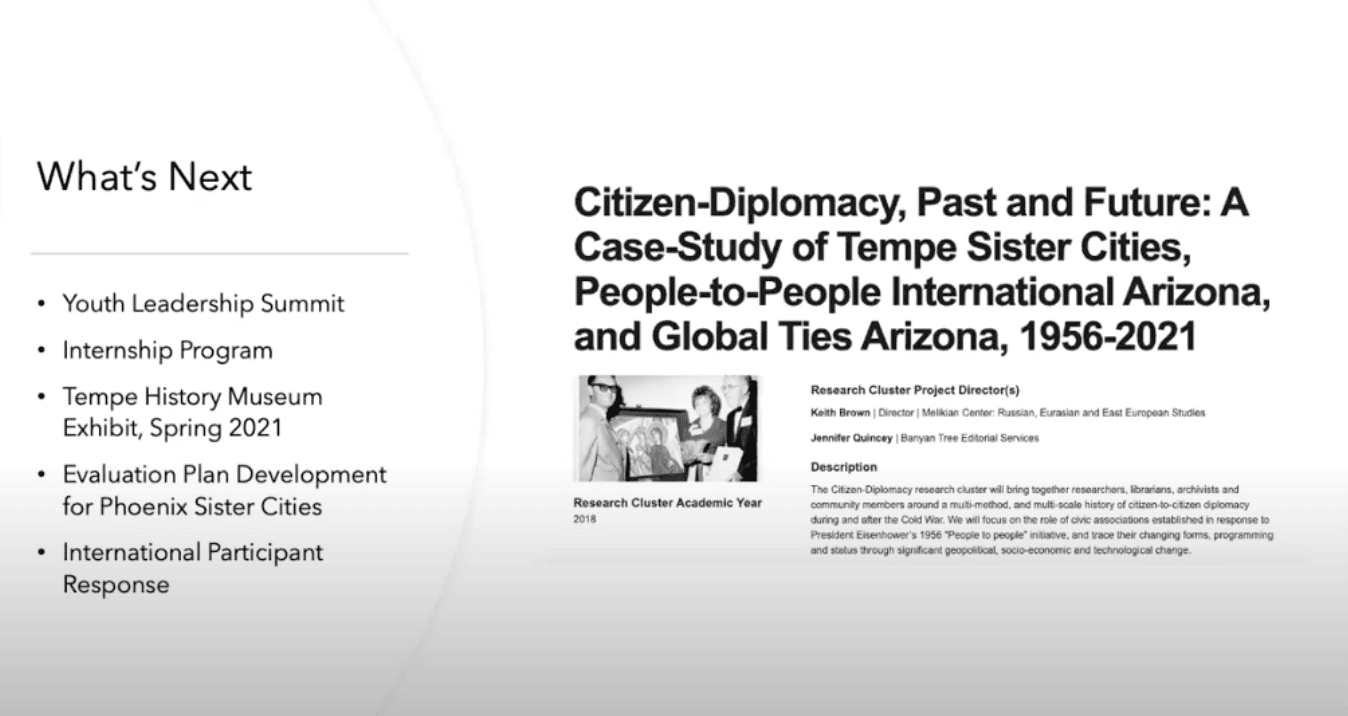
Due to globalization, the internet, rising education levels, and long-term democratization, citizen diplomacy is growing, and becoming a more important part of diplomacy and international affairs. Thus, in 2020, the Public Diplomacy Council of America(PDCA), a US-based NGO devoted to advancing the field of public diplomacy, formed the Citizen Diplomacy Research Group (CDRG) to advance the research and practice of citizen diplomacy. In 2023, the CDRG became Citizen Diplomacy International (CDI), a network and program of Learning Life, a Washington DC-based nonprofit devoted to developing innovative learning communities in order to widen and deepen participation in democracy and diplomacy.
CDI meets every three months online via Zoom for 1.5 hours to share research and news on citizen diplomacy developments worldwide with an eye to building a vibrant global CD sector for a more participatory, equitable and sustainable world.. Meetings typically begin with two presentations on CD research or practice, followed by discussion of the presentations, then news and announcements of past or upcoming international CD-related initiatives, publications, funding, conferences, etc.
Anyone — including scholars, students, citizen diplomacy practitioners, current and retired official diplomats, and others interested — can join CDI to learn, network, and/or present substantial research or practice in citizen diplomacy. For more information or to join the CDI email list, contact email@learninglife.info. You can also connect with CDI members via our Facebook group andLinkedin group, to which you can post citizen diplomacy-related articles, books, events, funding, etc.
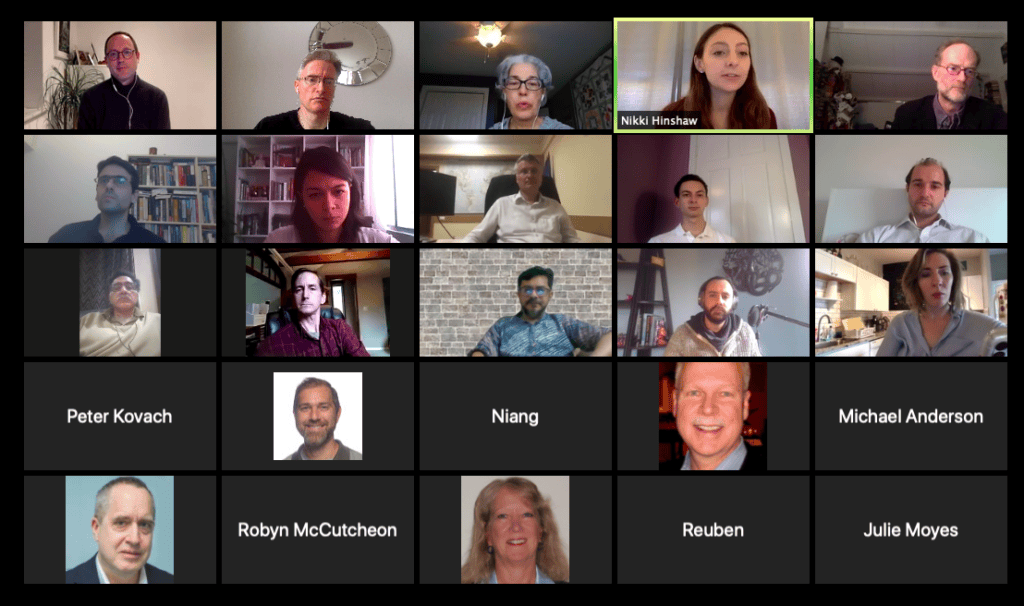
CDRG Chair, Paul Lachelier, will review the agenda, and during that time everyone is encouraged to post to the chat a one-paragraph bio about themselves. Introductions via chat saves us time, provides written details about you, and allows us to share your info after the meeting with those who could not attend.
2) Two presentations (30 minutes):
Presenters:
Nikki Hinshaw, Global Communication Master’s student, George Washington University, Washington DC, USA: A Case Study of Sister Cities International, Tempe, Arizona, USA.
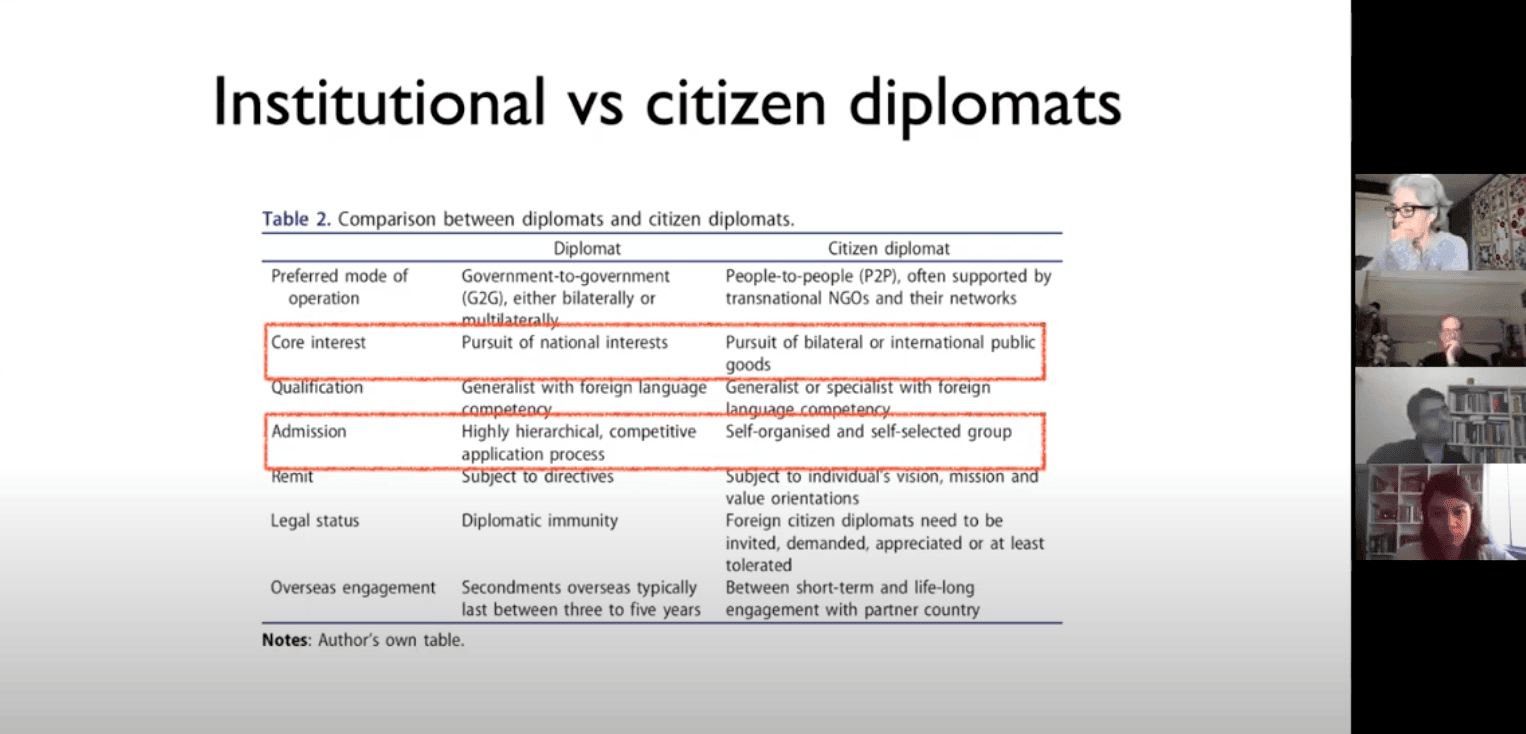
Andreas Fulda, Lecturer, University of Nottingham, Nottingham, UK: The Emergence of Citizen Diplomacy in European Union–China Relations: Principles, Pillars, Pioneers, Paradoxes.
3) Questions and discussion about the presentations (30 minutes)
4) Announcements (20 minutes) This part of the meeting is intended to foster communication and collaboration. Olivia Chavez of American University will present a new CDRG News Bulletin. Meeting participants will then have the opportunity to publicize citizen diplomacy events, publications, projects, programs, and related needs.
What Does “Comfort Food” Look Like Worldwide?
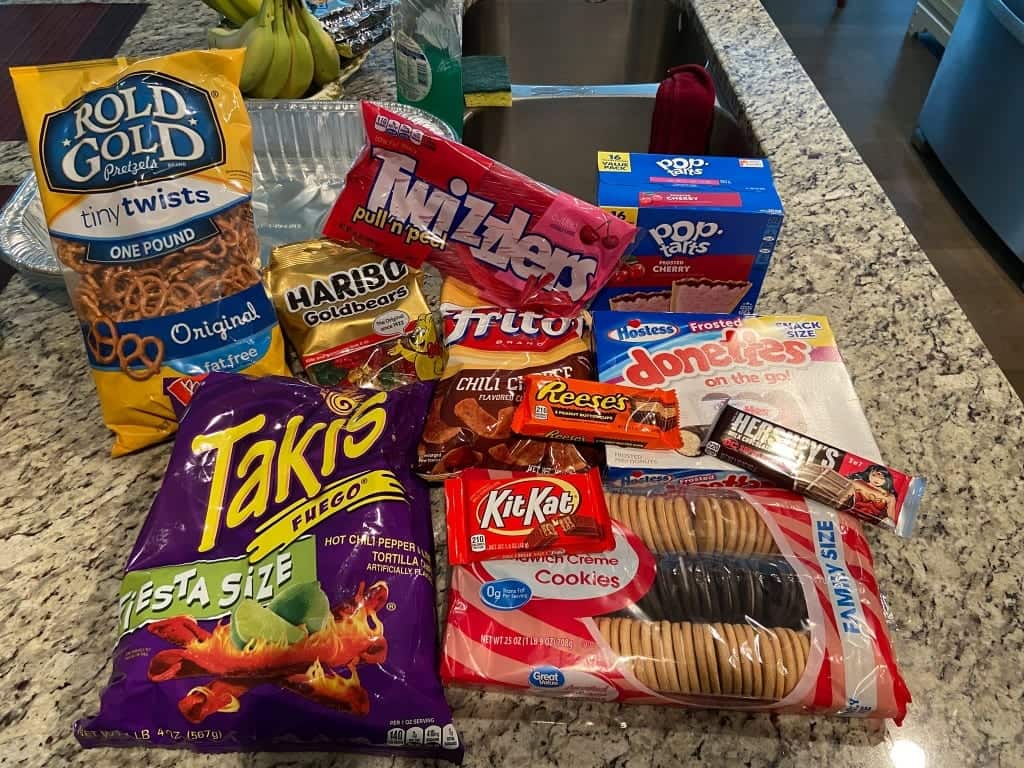
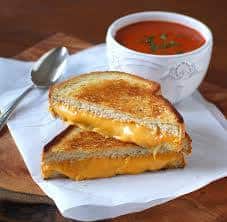
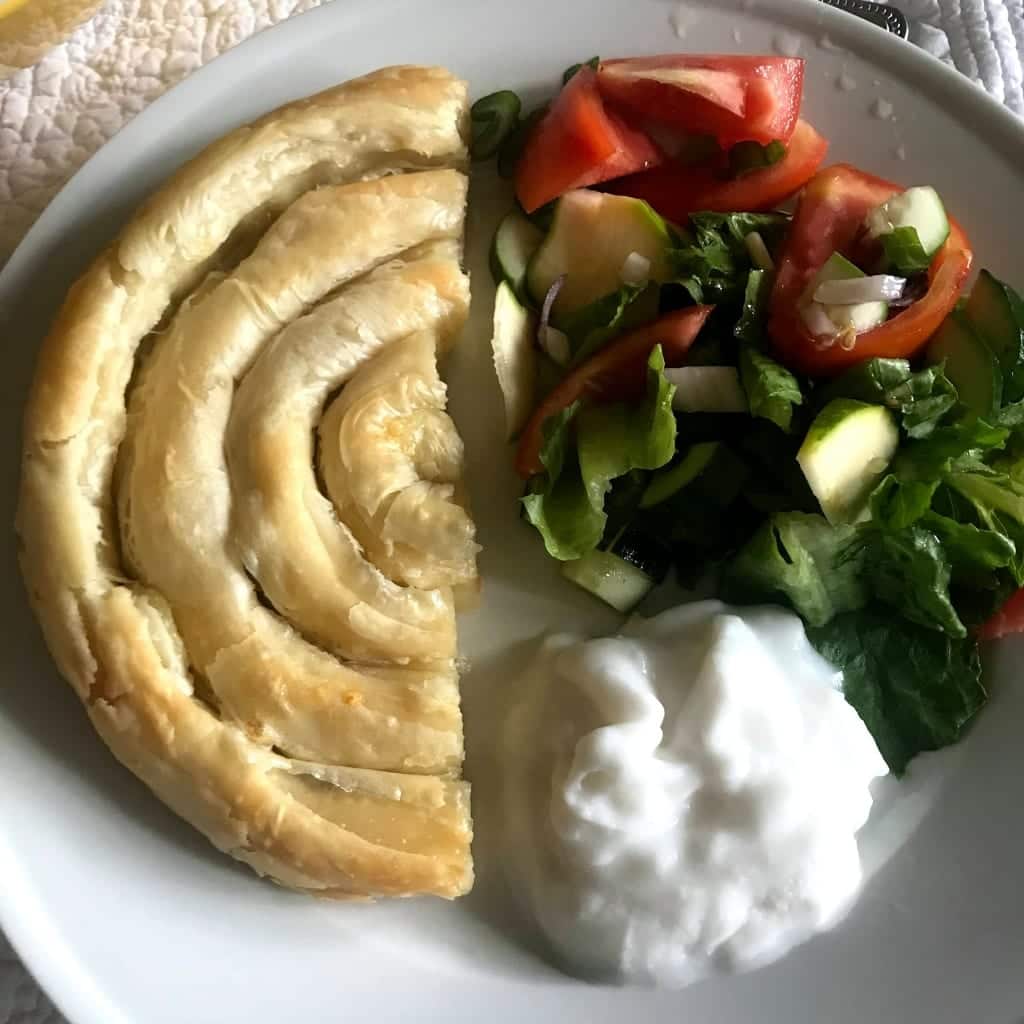
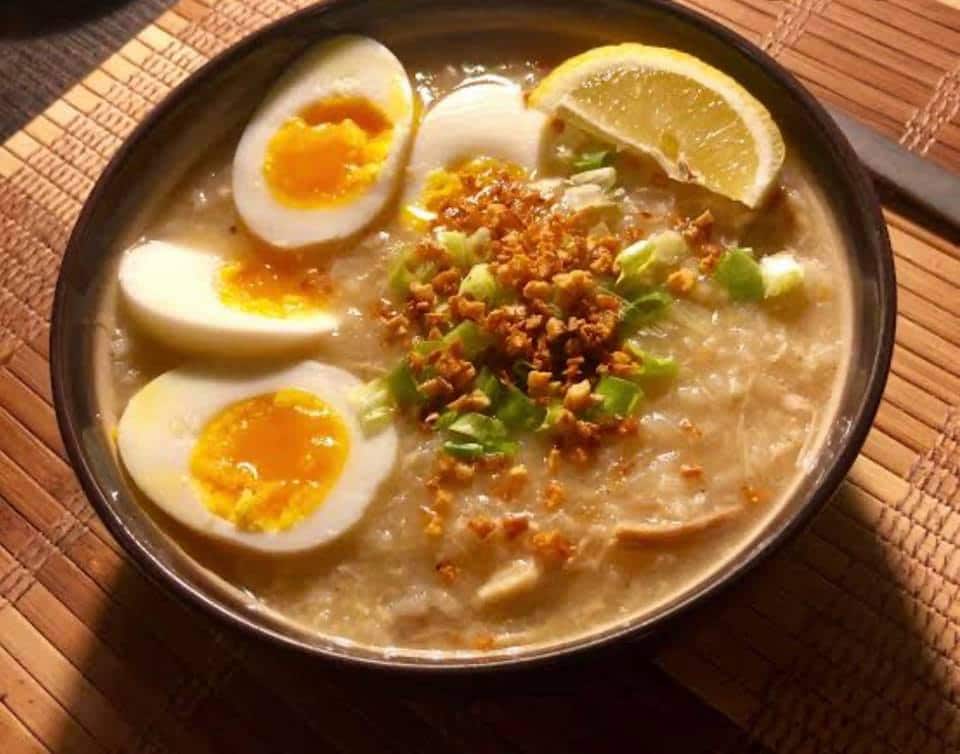
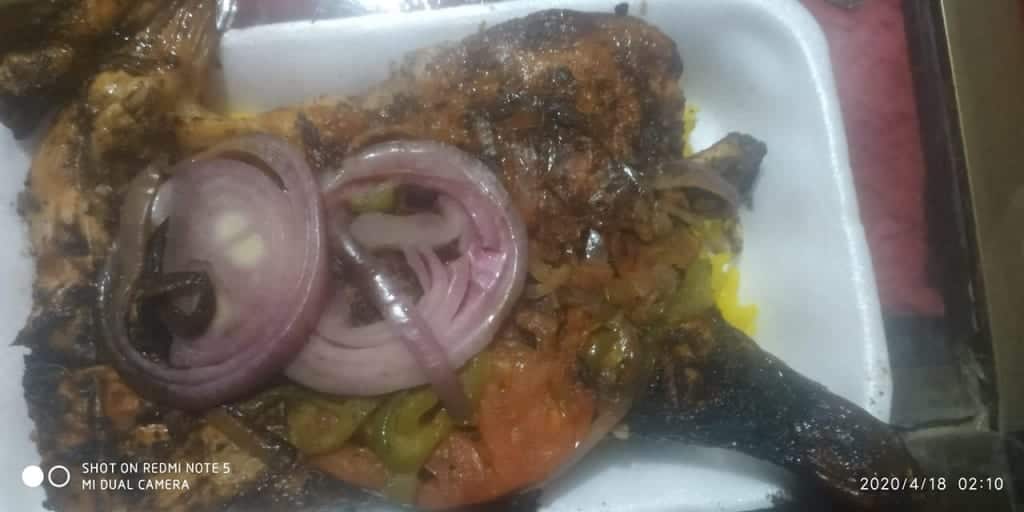
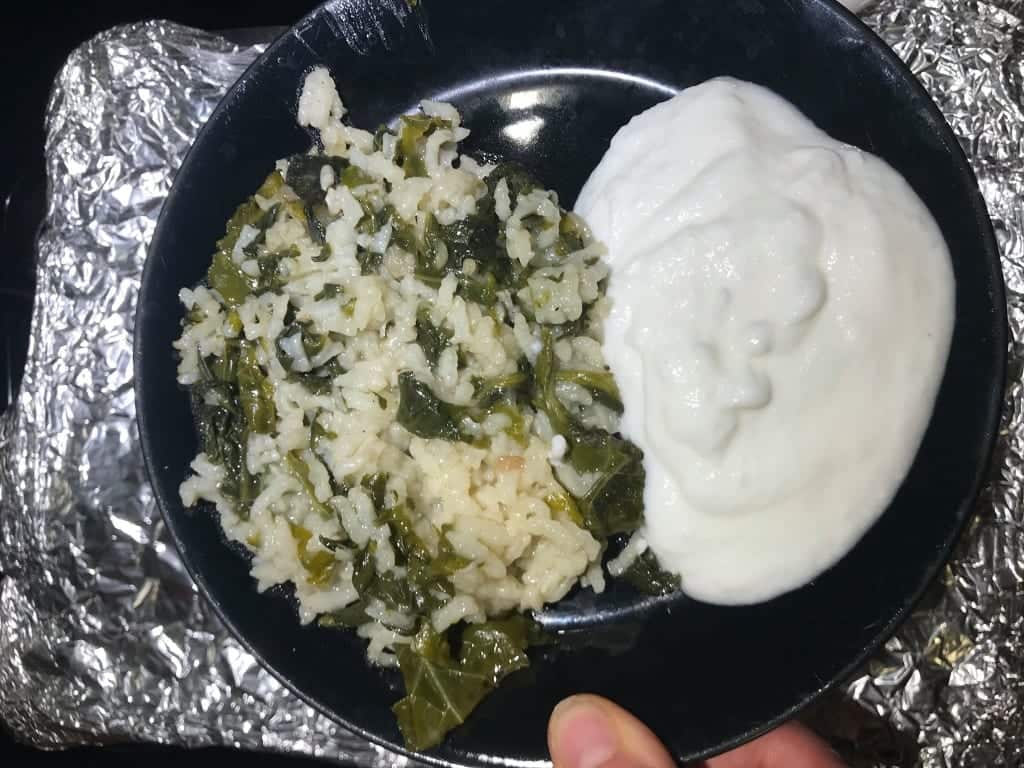
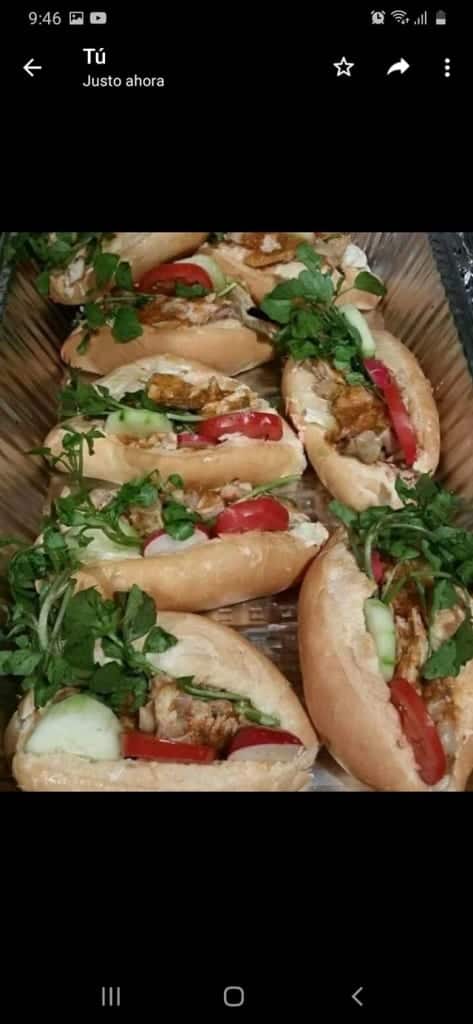
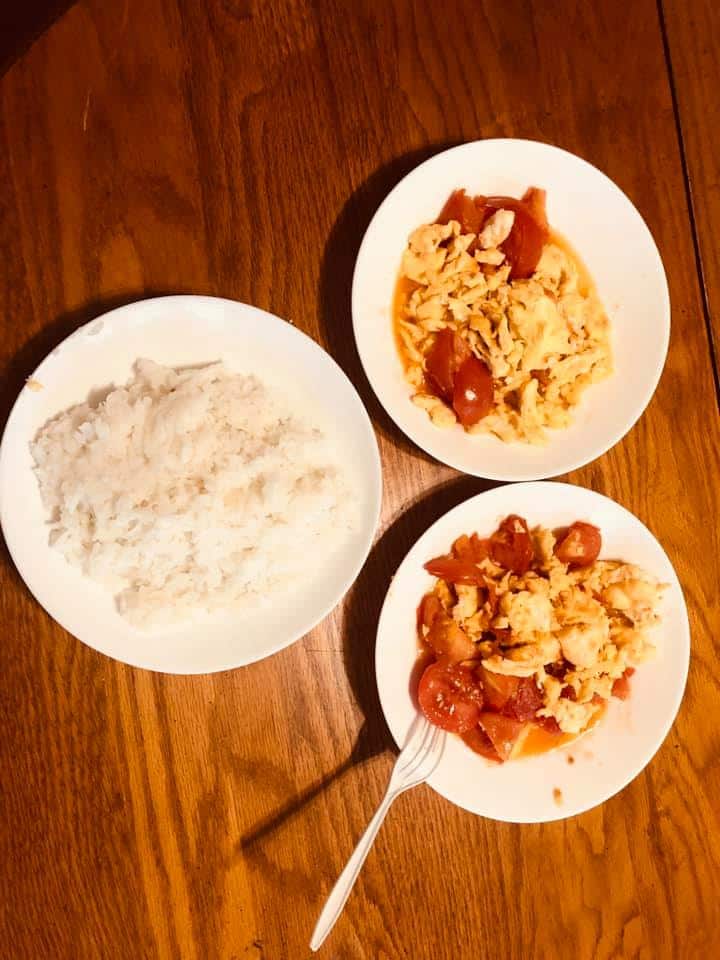
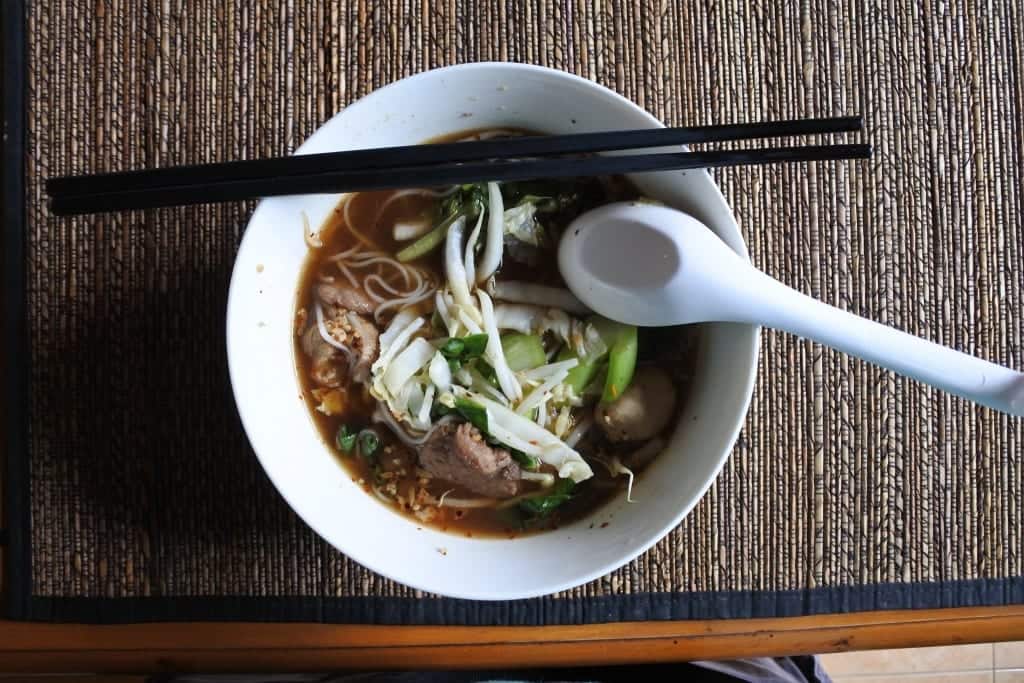
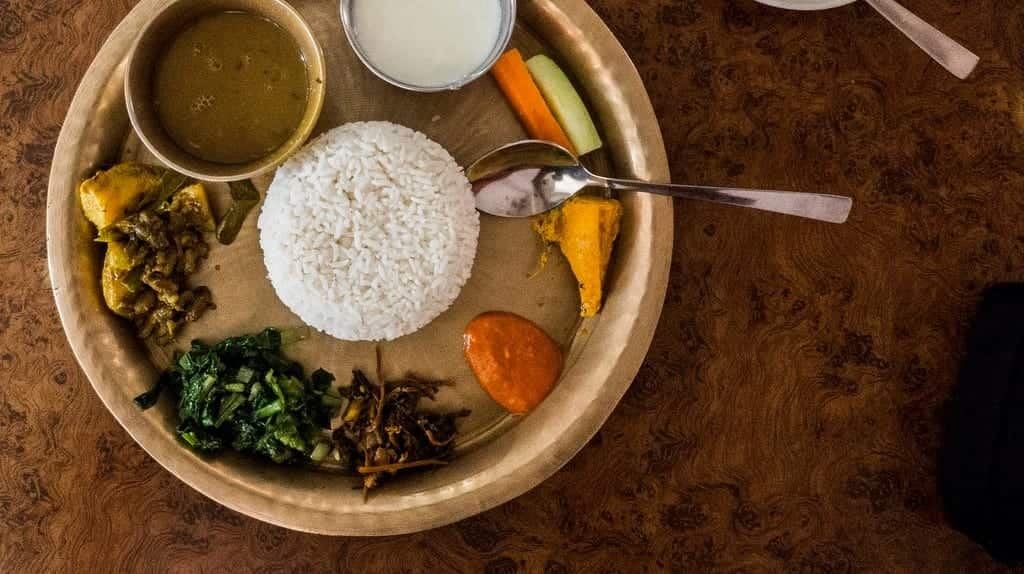
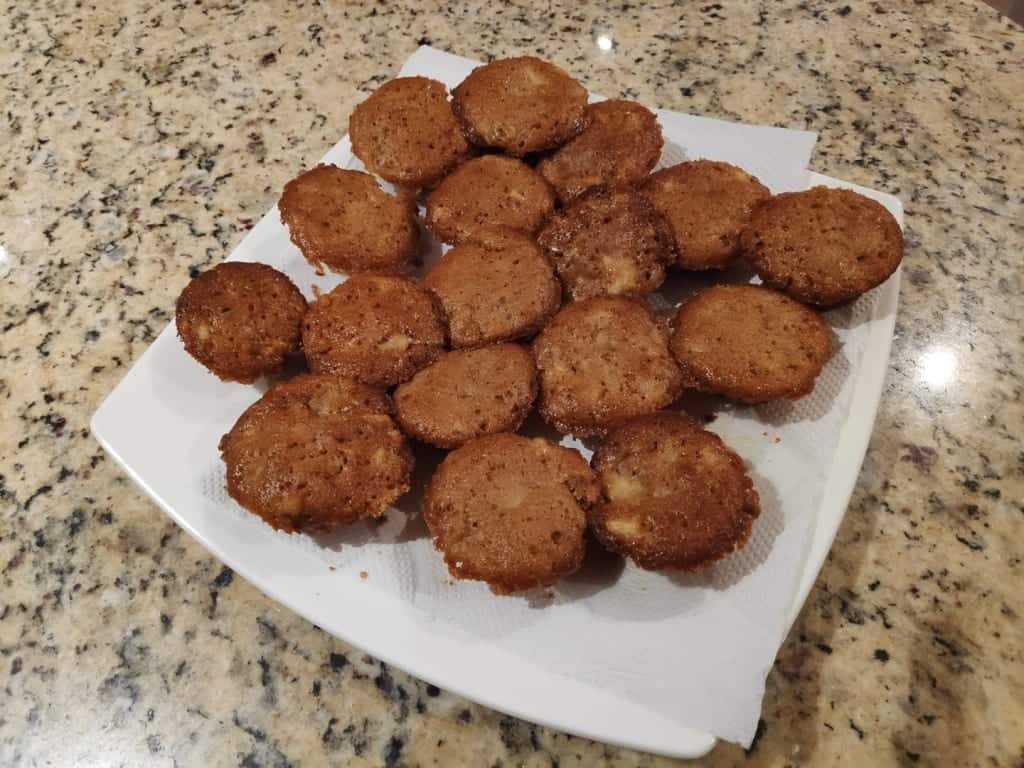
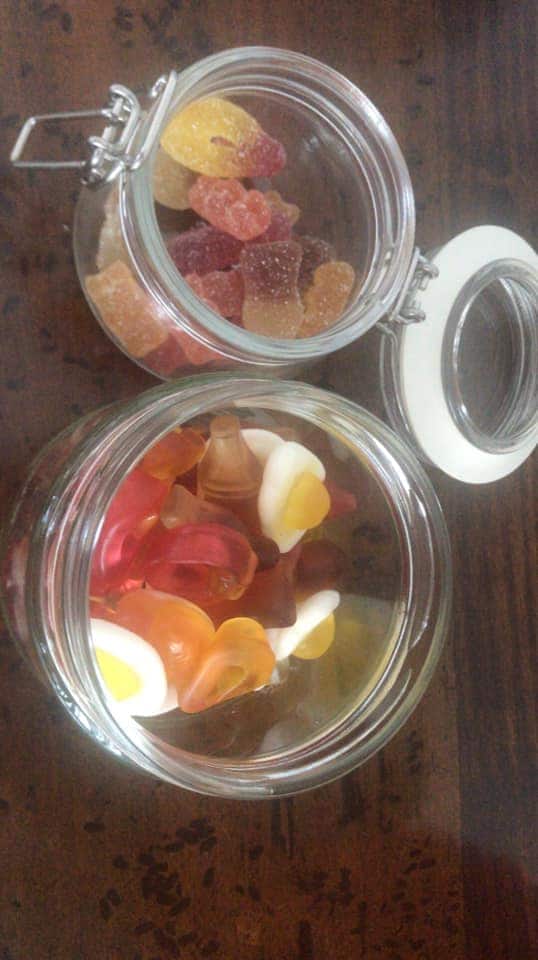
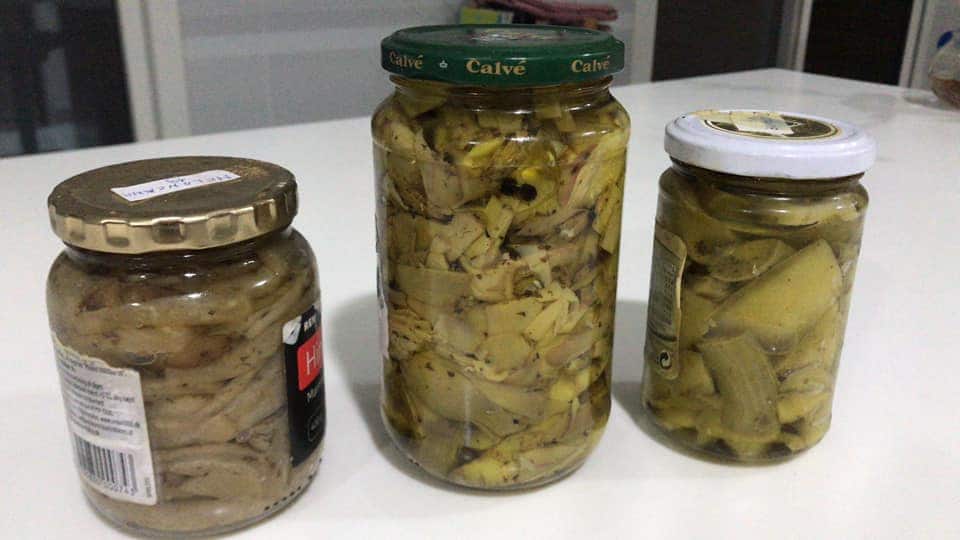
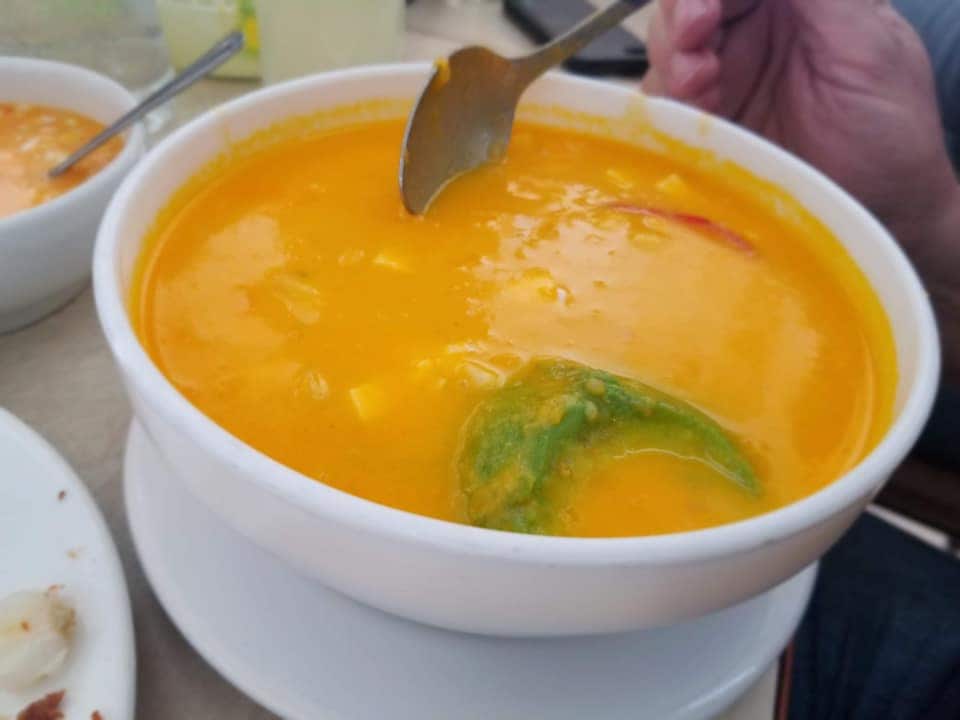
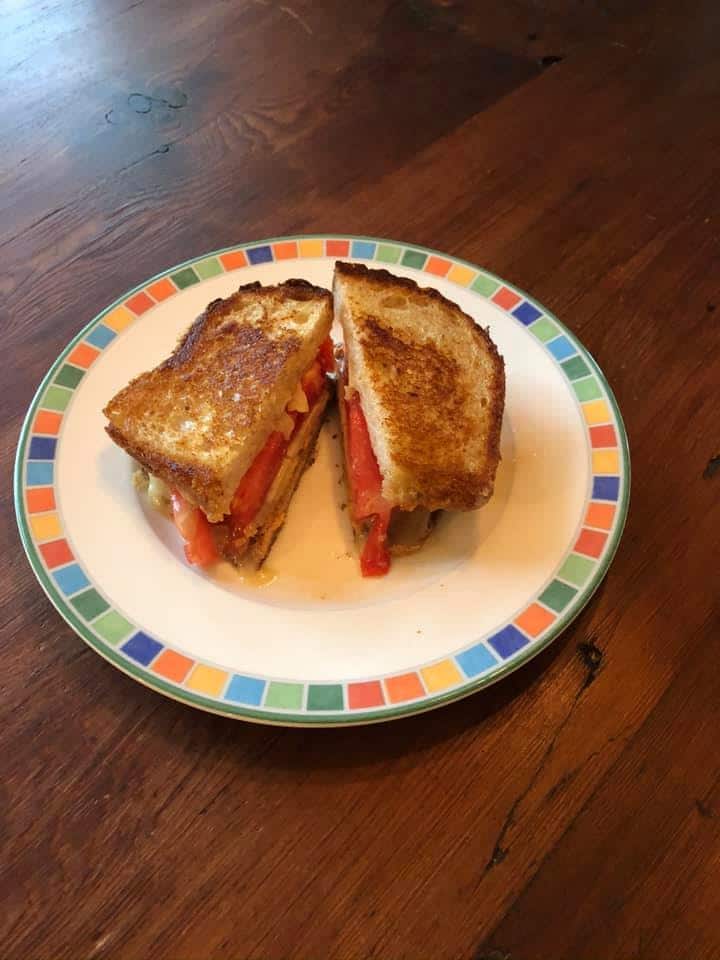
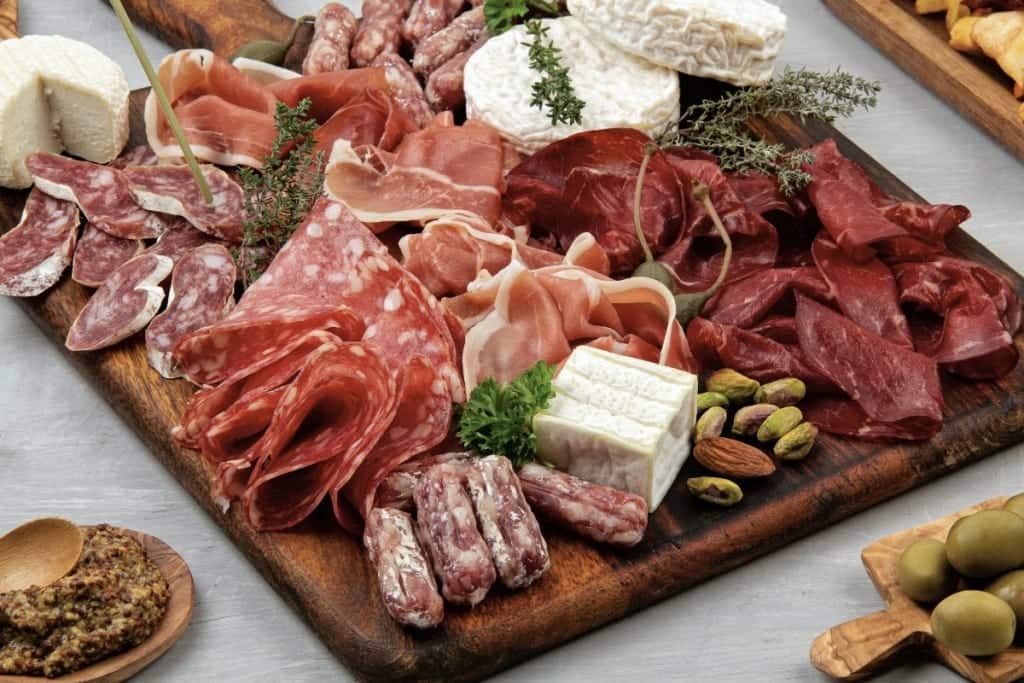
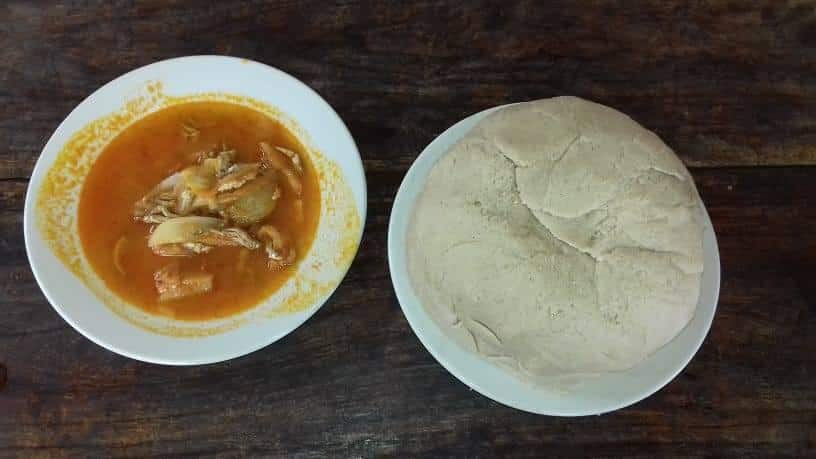
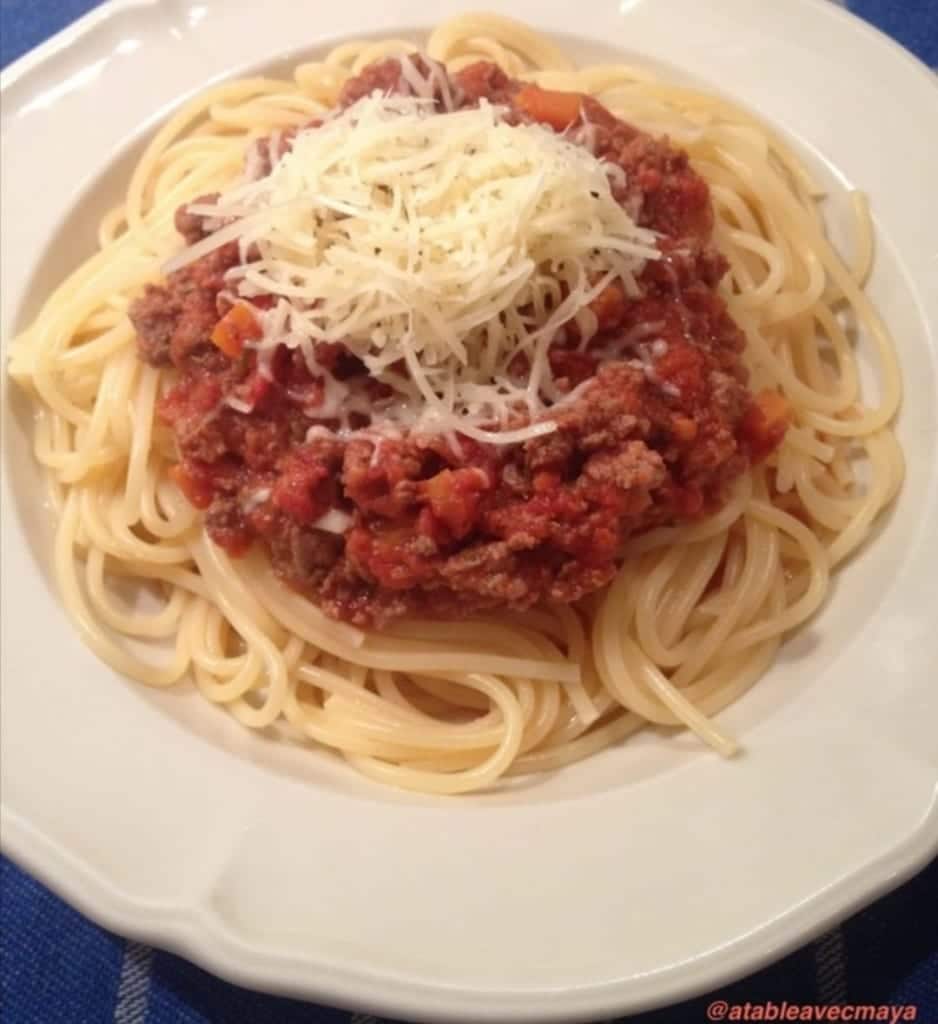
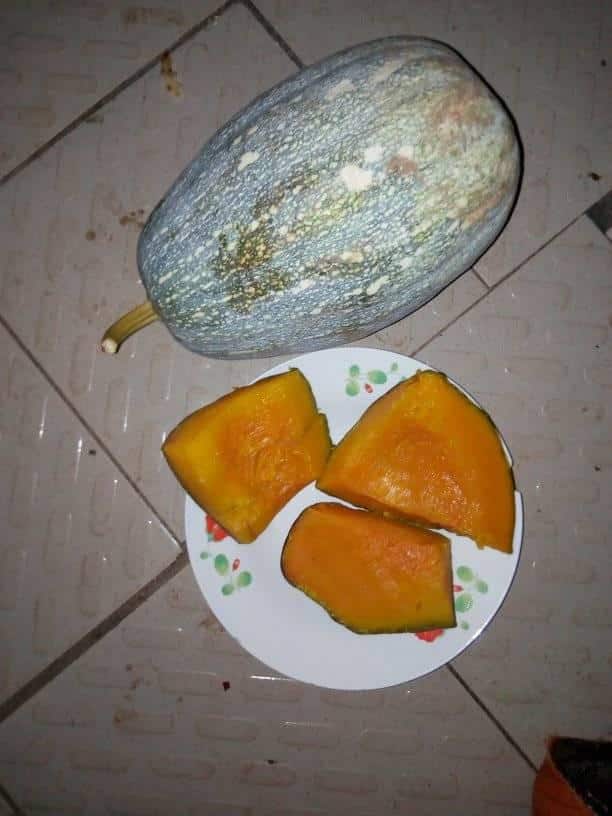
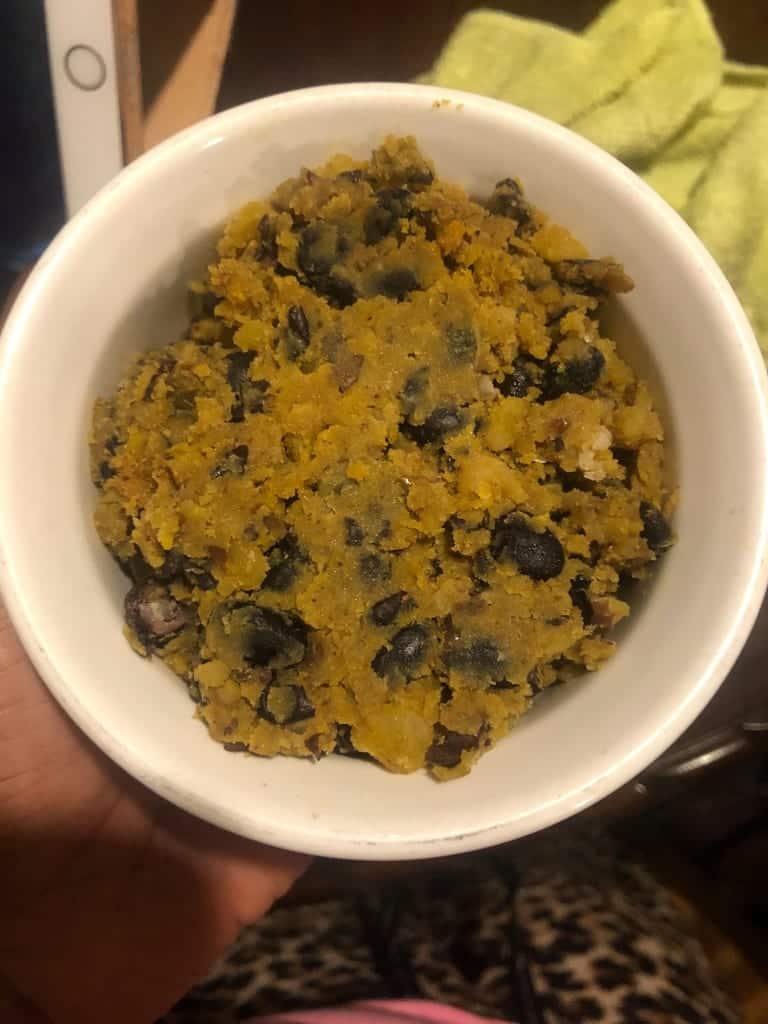
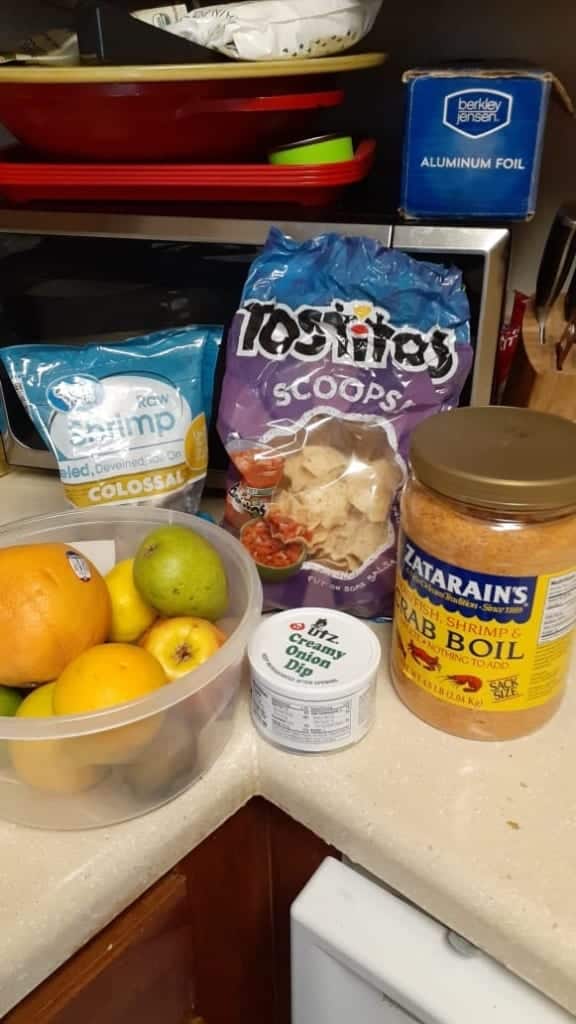
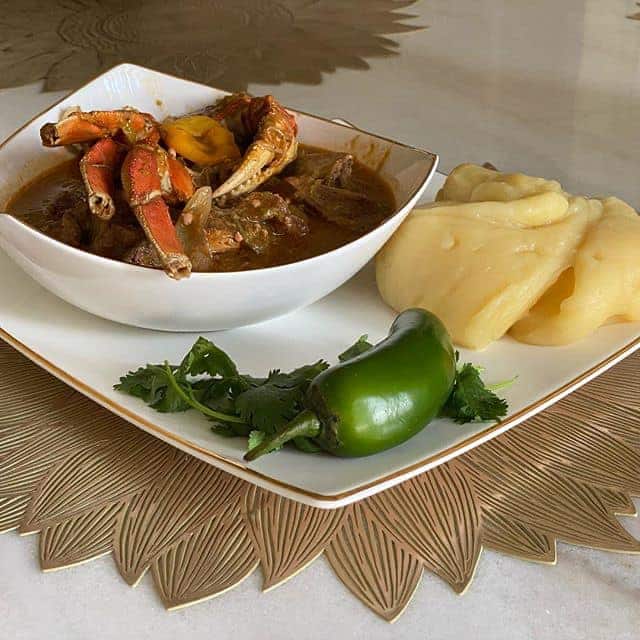
Since April this year, Learning Life has been periodically posing questions about food culture to the growing number of family members worldwide who are part of our Family Diplomacy Initiative on Facebook. In August, we asked “what is a ‘comfort food’ — food that your family finds comforting to eat — that your family often eats?” The responses we got varied considerably, and give a sense of the diversity of food cultures in our world. Here are some of the photos of comfort foods family members submitted, some from the internet, some from their own phones:
For more information about this year’s international food culture project, click here. A full report and e-books about the project are coming in December and January.
To connect and learn with families worldwide via Learning Life’s Family Diplomacy Initiative on Facebook, click here.