
Profile: Constanza Family (El Salvador)
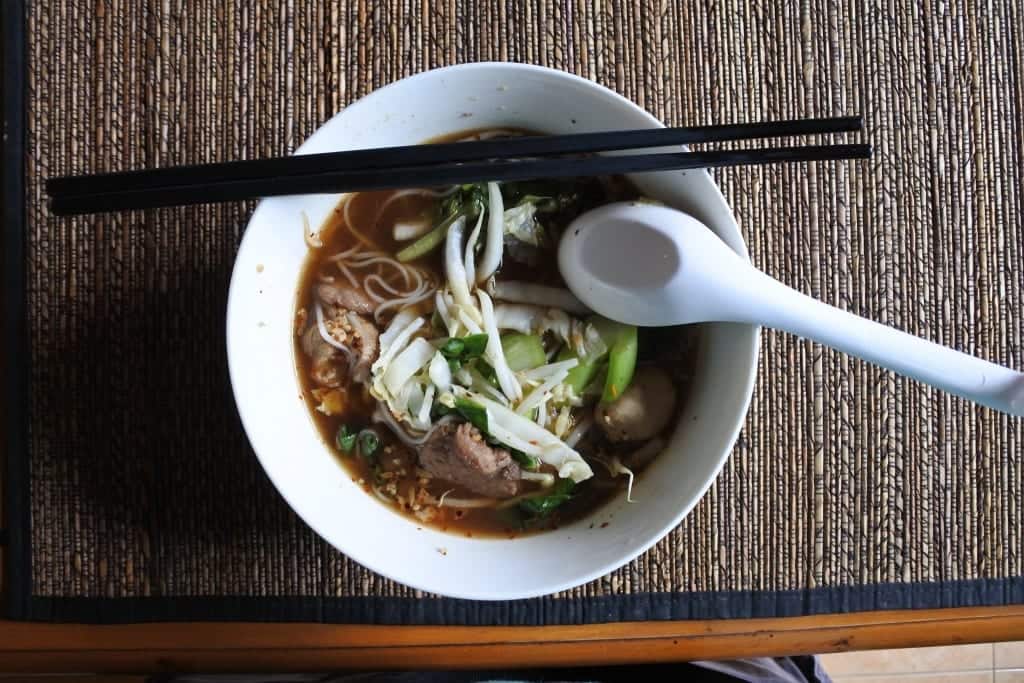
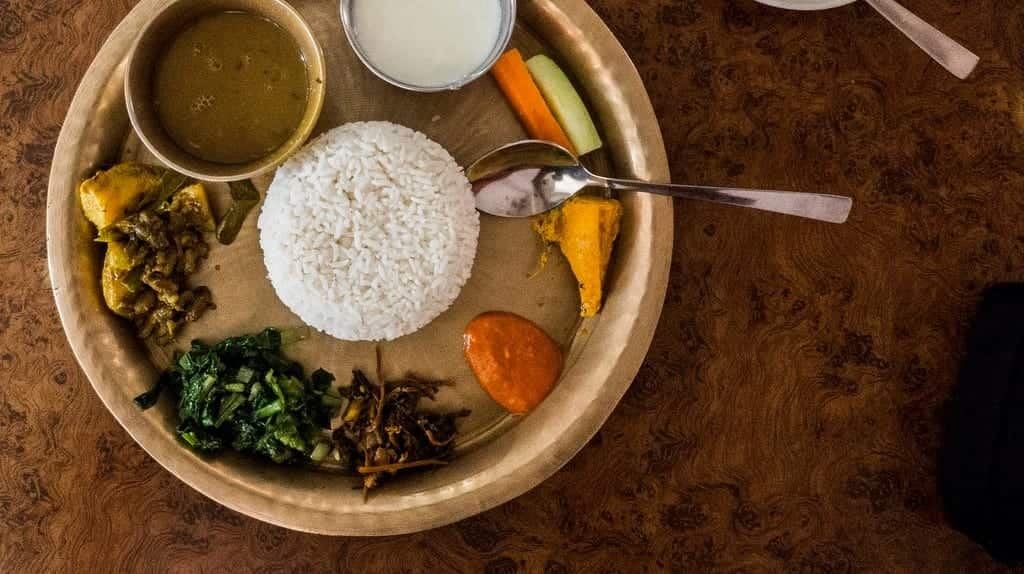
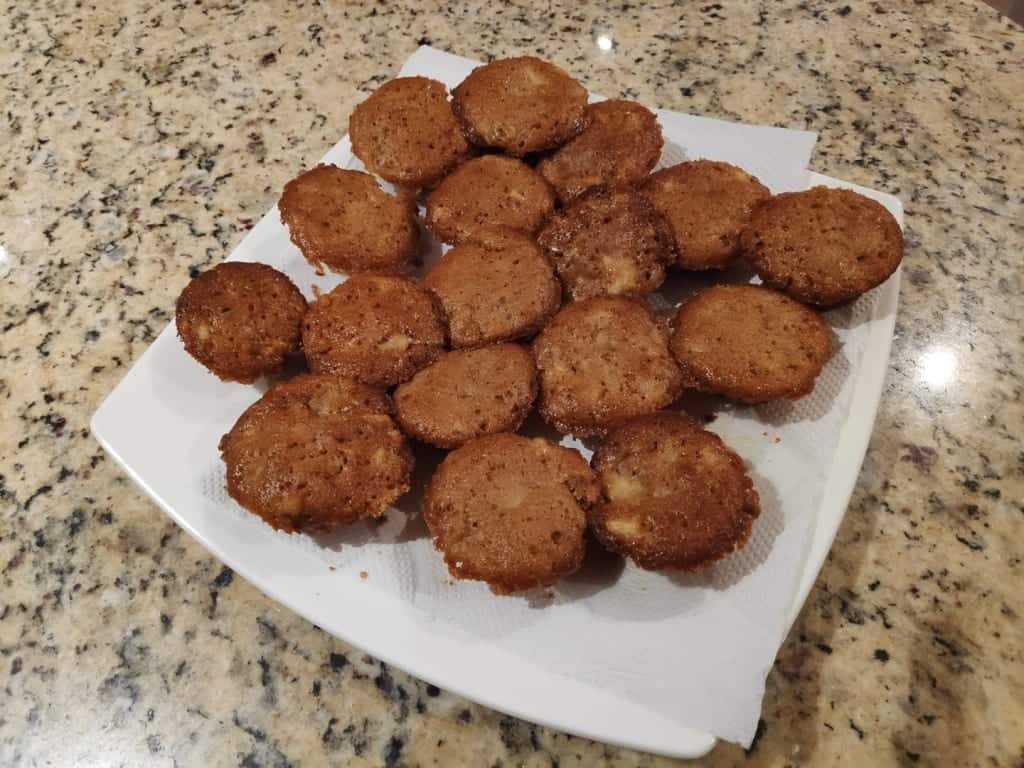
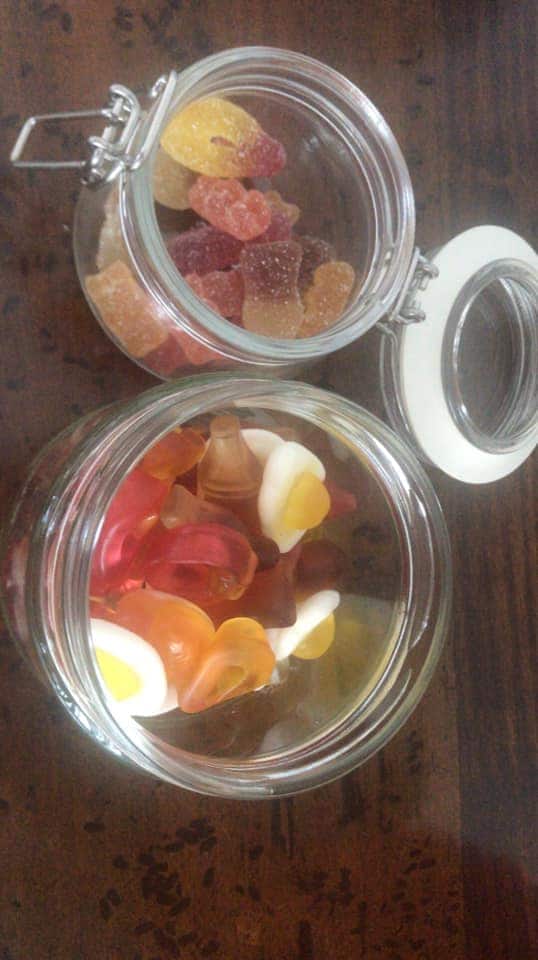
This is the fifth in a series of profiles of the families worldwide participating in our 2020 project on food culture as part of Learning Life’s Family Diplomacy Initiative on Facebook. From April to November this year, Learning Life is posing six food culture questions, and asking the families to provide their photographic answers. The project is intended to nurture sharing and learning between families worldwide, with an eye to promoting greater understanding, curiosity, and tolerance for difference in our divided and often violent world. (Why family diplomacy? Click here for five reasons.) Below, Yanira Constanza, the mother of two children in El Salvador, answers our family profile questions. We provide the questions and answers in English, Spanish and French.
Este es el quinto de una serie de perfiles de las familias de todo el mundo que participan en nuestro proyecto 2020 sobre cultura alimentaria como parte de la Iniciativa de Diplomacia Familiar de Learning Life en Facebook. De abril a noviembre de este año, Learning Life está posando seis preguntas sobre cultura alimentaria y pidiendo a las familias que brindan sus respuestas fotográficas. El proyecto está destinado a fomentar el intercambio y el aprendizaje entre familias de todo el mundo, con el objetivo de promover una mayor comprensión, curiosidad y tolerancia a las diferencias en nuestro mundo dividido y a menudo violento. (¿Por qué la diplomacia familiar? Haga clic aquí por cinco razones). A continuación, Yanira Constanza, madre de dos hijos en El Salvador, responde a nuestras preguntas sobre el perfil familiar. Proporcionamos las preguntas y respuestas en inglés, español y francés.
Il s’agit du cinquième d’une série de profils des familles du monde entier participant à notre projet 2020 sur la culture alimentaire dans le cadre de l’Initiative de Diplomatie Familiale de Learning Life sur Facebook. D’avril à novembre de cette année, Learning Life pose six questions sur la culture alimentaire et demande aux familles de fournir leurs réponses photographiques. Le projet vise à favoriser le partage et l’apprentissage entre les familles du monde entier, en vue de promouvoir une plus grande compréhension, curiosité et tolérance pour les différences dans notre monde divisé et souvent violent. (Pourquoi la diplomatie familiale? Cliquez ici pour cinq raisons). Ci-dessous, Yanira Constanza, la mère de deux enfants au Salvador, répond à nos questions sur le profil familial. Nous fournissons les questions et réponses en anglais, espagnol et français
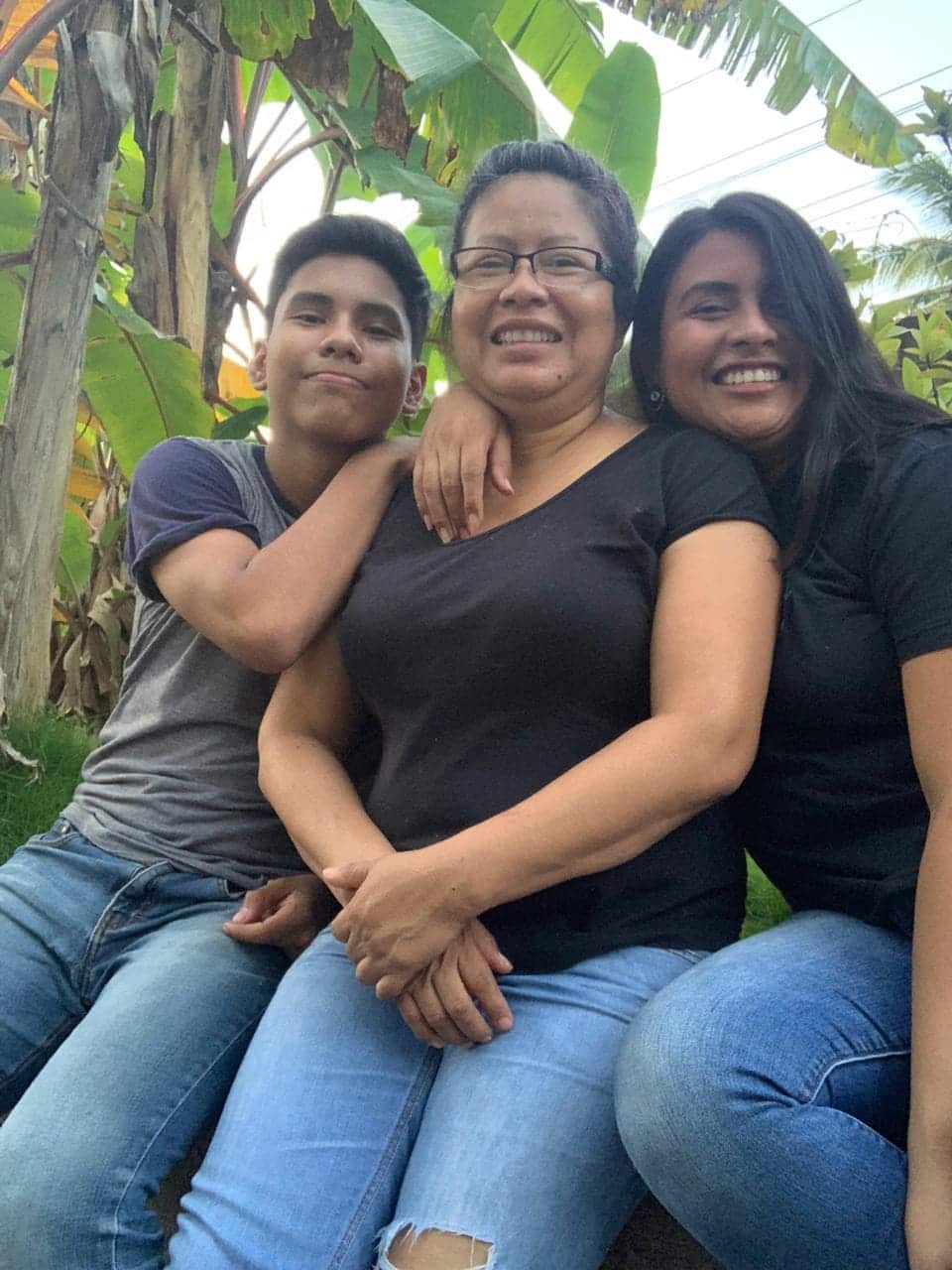
Tell us about your family, and what city and country you live in. / Cuéntanos sobre tu familia y en qué ciudad y país vives. / Veuillez nous parler de votre famille et de la ville et du pays dans lesquels vous vivez.
Soy Yanira, la madre de mi familia y tengo 46 años. Los otros miembros de mi familia son mi hijo, Diego Mauricio, que tiene 15 años y mi hija Liliana Beatriz, que tiene 26 años. Mi familia vive en Soyapango, San Salvador, El Salvador.
My name is Yanira Constanza, I am the mother in my family and I am 46 years old. The other members of my family are my son, Diego Mauricio, who is 15 years old and my daughter Liliana Beatriz, who is 26 years old. My family lives in Soyapango, San Salvador, El Salvador.
Je m’appelle Yanira, je suis la mère de ma famille et j’ai 46 ans. Les autres membres de ma famille sont mon fils, Diego Mauricio, qui a 15 ans et ma fille Liliana Beatriz, qui a 26 ans. Ma famille vit à Soyapango, San Salvador, El Salvador.
Tell us one interesting thing about your family. / Cuéntanos algo interesante sobre tu familia. / Dites-nous une chose intéressante à propos de votre famille.
Algo interesante sobre mi familia es que mi hijo, Diego, fue al campamento de exploración en Brasil, y fue una experiencia maravillosa.
Something interesting about my family is that my son, Diego went to scout camp in Brazil, and it was a wonderful experience.
Quelque chose d’intéressant dans ma famille est que mon fils, Diego est allé au camp de scouts au Brésil, et ce fut une expérience merveilleuse.
Does your family practice any religion? / ¿Tu familia practica alguna religión? / Votre famille pratique-t-elle une religion?
Mi familia practica la religión católica.
My family practices the Catholic religion.
Ma famille pratique la religion catholique.
What language(s) does your family speak at home? / ¿Qué idioma(s) habla tu familia en casa? / Quelle(s) langue(s) votre famille parle-t-elle à la maison?
Mi familia habla español en casa.
My family speaks the Spanish language at home.
Ma famille parle la langue espagnole à la maison.
What do you think is the biggest problem the world is facing in the long-term? / ¿Cuál crees es el mayor problema que enfrenta el mundo a largo plazo? / Selon vous, quel est le plus gros problème auquel le monde est confronté à long terme?
Creo que el mayor problema que enfrenta el mundo a largo plazo es la economía.
I believe that the biggest problem facing the world in the long term is the economy.
Je crois que le plus gros problème auquel le monde est confronté à long terme est l’économie.d
What do you think is the biggest problem your country is facing in the long-term? / ¿Cuál crees es el mayor problema que enfrenta tu país a largo plazo? / Selon vous, quel est le plus gros problème auquel votre pays est confronté à long terme?
Creo que el mayor problema que enfrenta mi país a largo plazo son los problemas de delincuencia y seguridad. Me da miedo saber que mi hijo tiene que caminar una milla para ir a practicar fútbol cuando hay tanta violencia en las calles.
I believe that the biggest problem facing my country in the long term is crime and safety issues. It’s scary for me to know that my son has to walk a mile to go to soccer practice when there is so much violence out on the streets.
Je pense que le plus gros problème auquel mon pays est confronté à long terme est la criminalité et la sécurité. C’est effrayant pour moi de savoir que mon fils doit marcher un mile pour aller à l’entraînement de football quand il y a tellement de violence dans les rues.
Anything you would like to say to other families in the world? / ¿Algo que le gustaría decir a otras familias en el mundo? / Quelque chose que vous aimeriez dire à d’autres familles dans le monde?
Si algún día pudiéramos conocernos y pasar tiempo juntos, sería maravilloso.
If one day we could meet and spend time together, it would be wonderful.
Si un jour nous pouvions nous rencontrer et passer du temps ensemble, ce serait merveilleux.