Due to globalization, the internet, rising education levels, and long-term democratization, citizen diplomacy is growing, and becoming a more important part of diplomacy and international affairs. Thus, in 2020, thePublic Diplomacy Council of America (PDCA), a US-based NGO devoted to advancing the field of public diplomacy, formed the Citizen Diplomacy Research Group (CDRG) to advance the research and practice of citizen diplomacy. In 2023, the CDRG became Citizen Diplomacy International (CDI), a network and program of Learning Life, a Washington DC-based nonprofit devoted to developing innovative learning communities in order to widen and deepen participation in democracy and diplomacy.
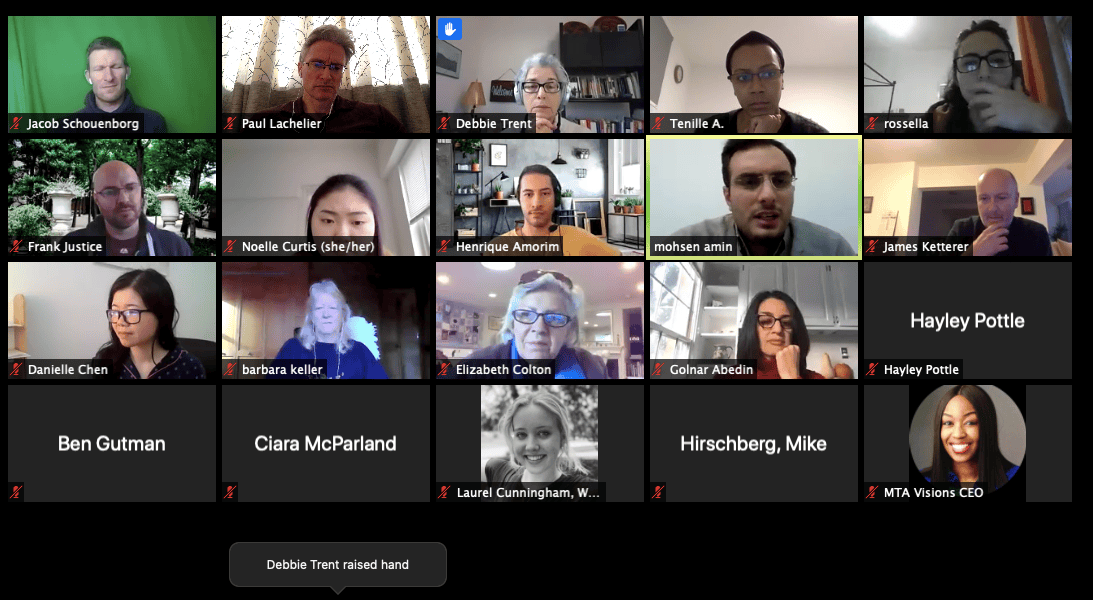
CDI meets every three months online via Zoom for 1.5 hours to share research and news on citizen diplomacy developments worldwide with an eye to building a vibrant global CD sector for a more participatory, equitable and sustainable world.. Meetings typically begin with two presentations on CD research or practice, followed by discussion of the presentations, then news and announcements of past or upcoming international CD-related initiatives, publications, funding, conferences, etc.
Anyone — including scholars, students, citizen diplomacy practitioners, current and retired official diplomats, and others interested — can join CDI to learn, network, and/or present substantial research or practice in citizen diplomacy. For more information or to join the CDI email list, contact email@learninglife.info. You can also connect with CDI members via our Facebook group and Linkedin group, to which you can post citizen diplomacy-related articles, books, events, funding, etc.
Please prepare to share a one-paragraph bio about you.
2) Two presentations (30 minutes):
Presenters:
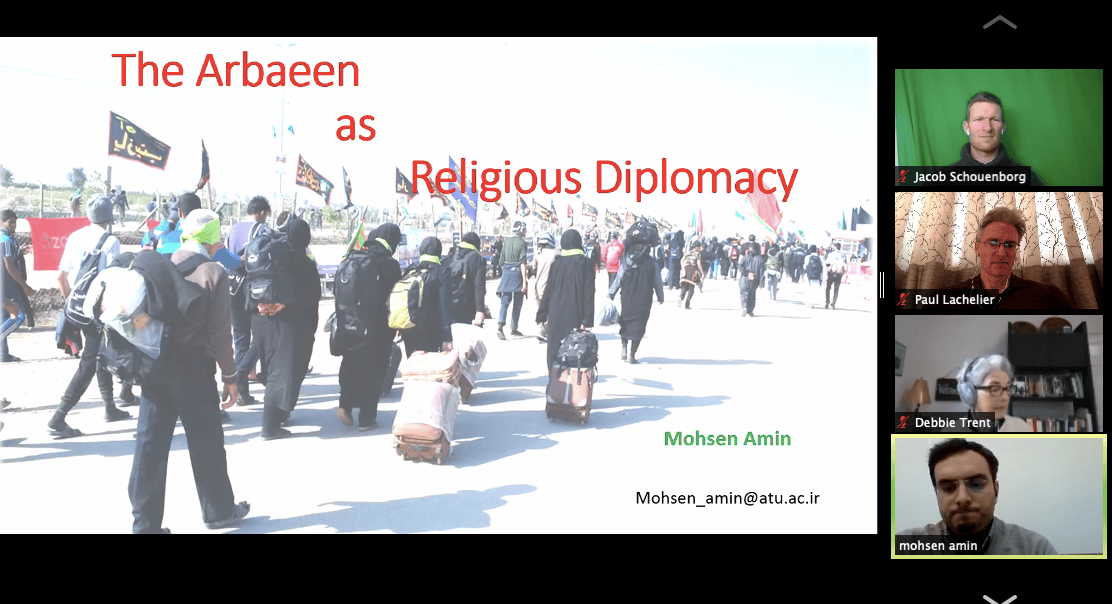
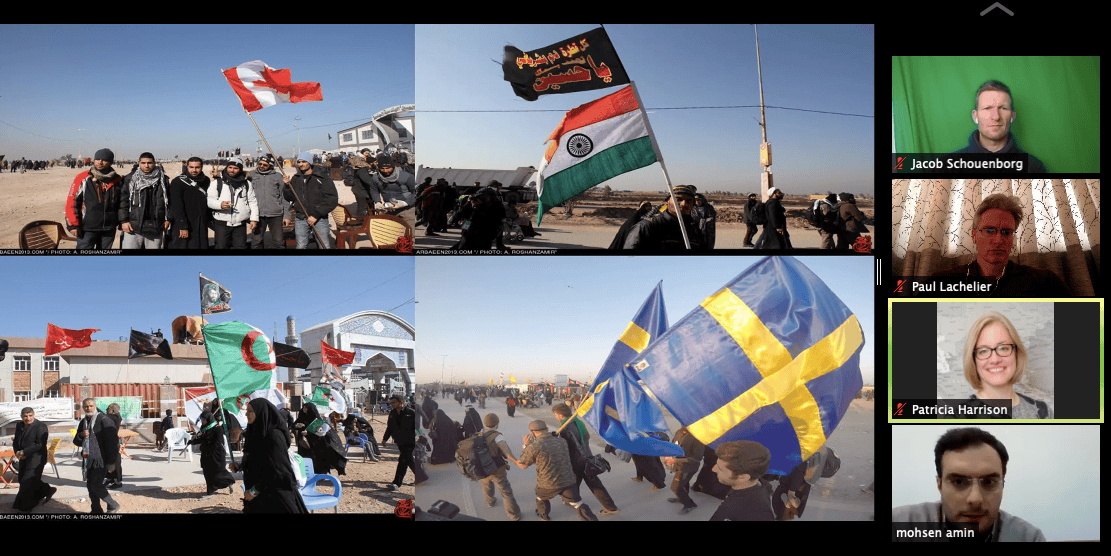
Mohsen Amin, Ph.D. Candidate in Cultural Sociology, Allame Tabataba’i University, Tehran, Iran: The Arbaeen as Religious Diplomacy
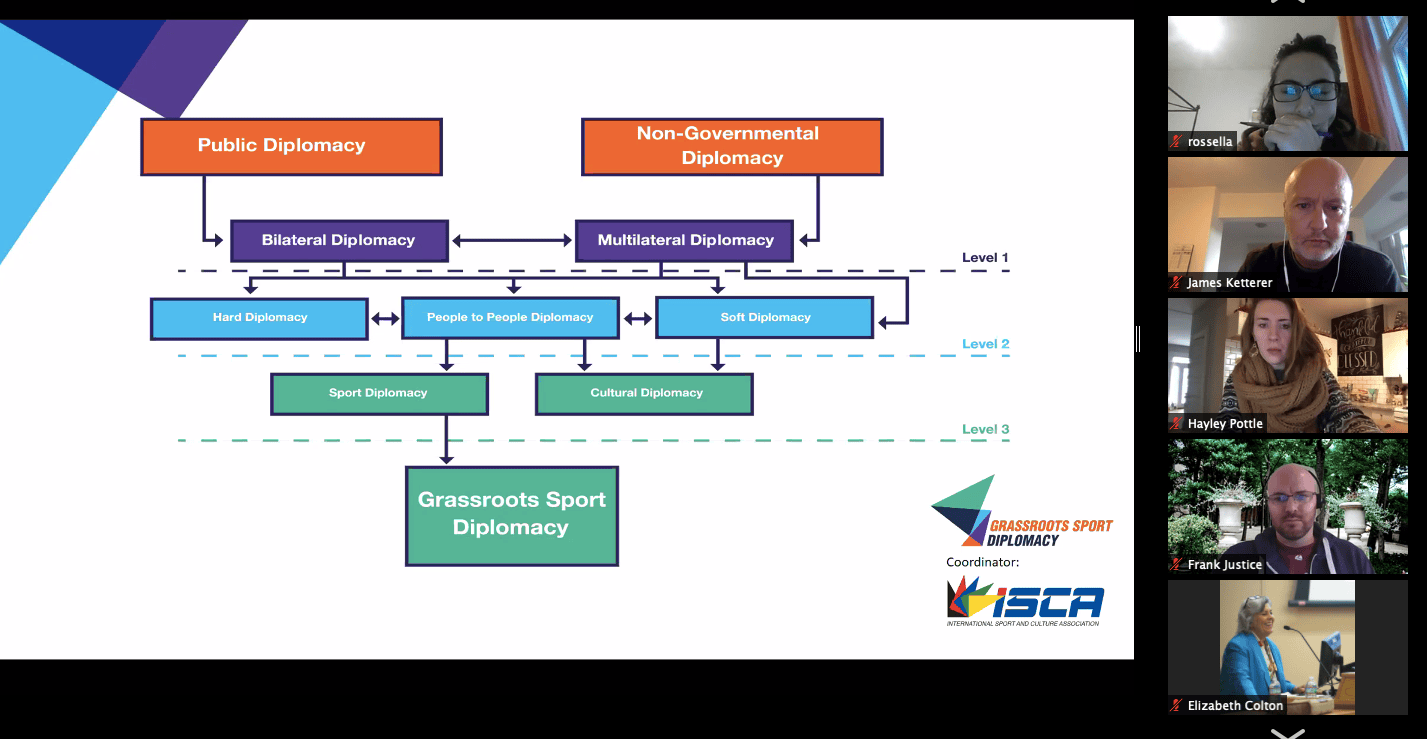
Jacob Schouenborg, Secretary General, International Sport & Culture Association, Copenhagen, Denmark: The ISCA and Grassroots Sports Diplomacy
3) Questions and discussion about the presentations (30 minutes)
4) Announcements (20 minutes)
Meeting participants will then have the opportunity to publicize citizen diplomacy events, publications, projects, programs, and related needs. Participants can also post details and links to the Zoom chat box.
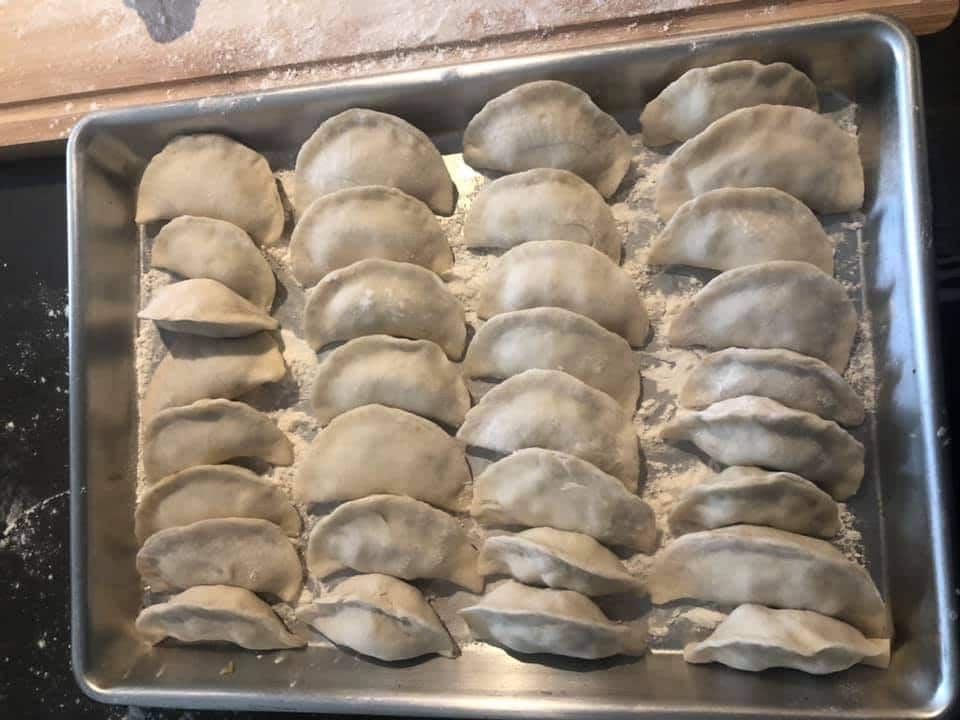
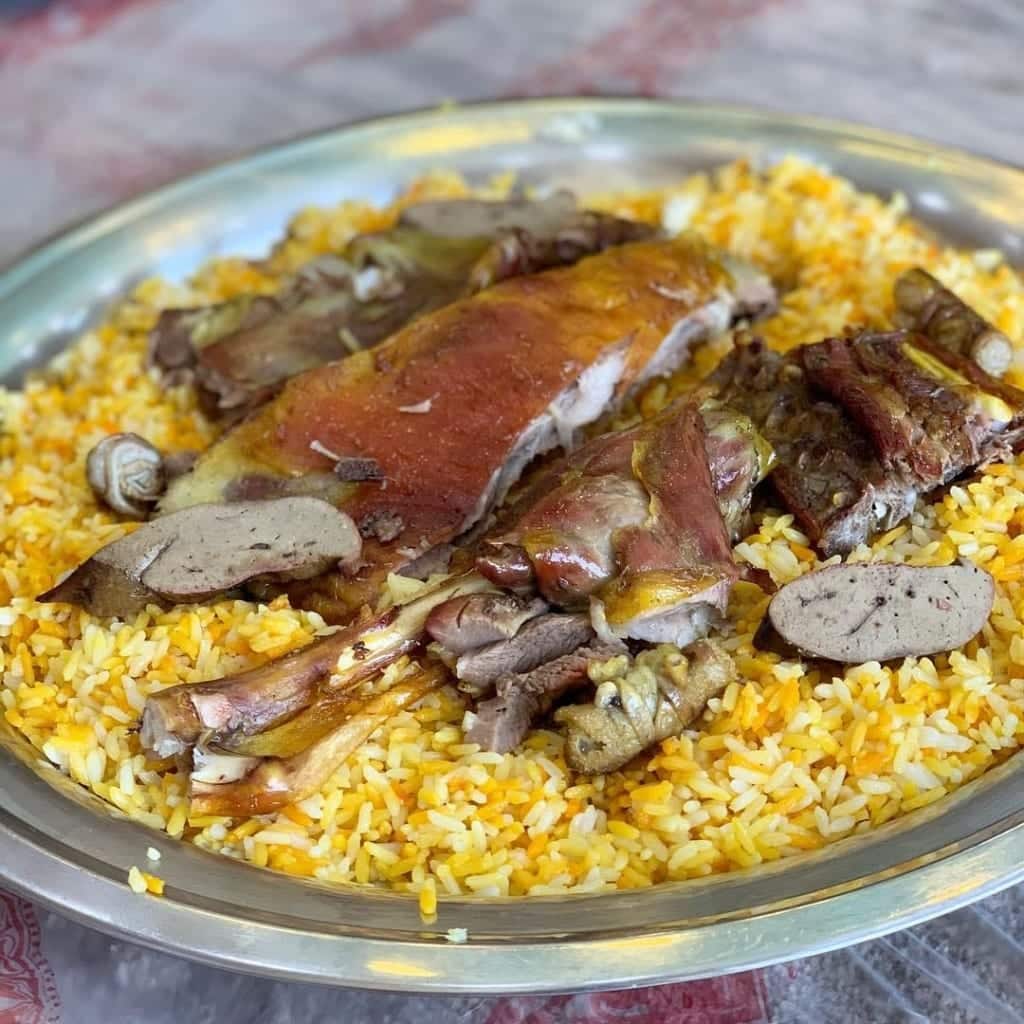
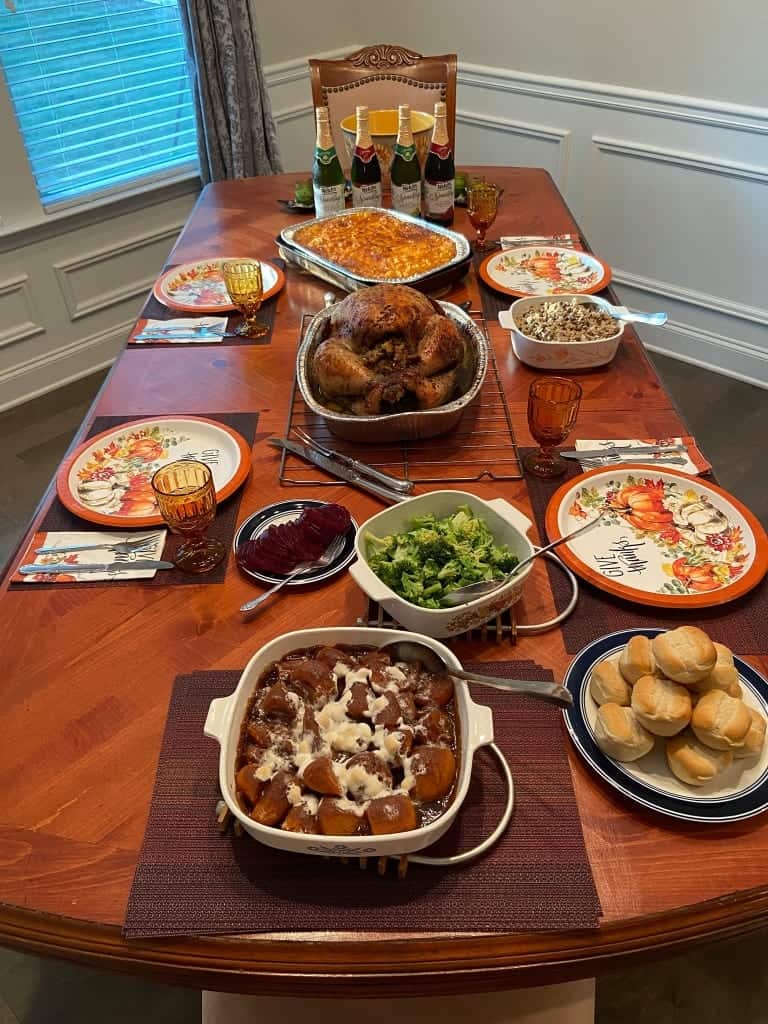
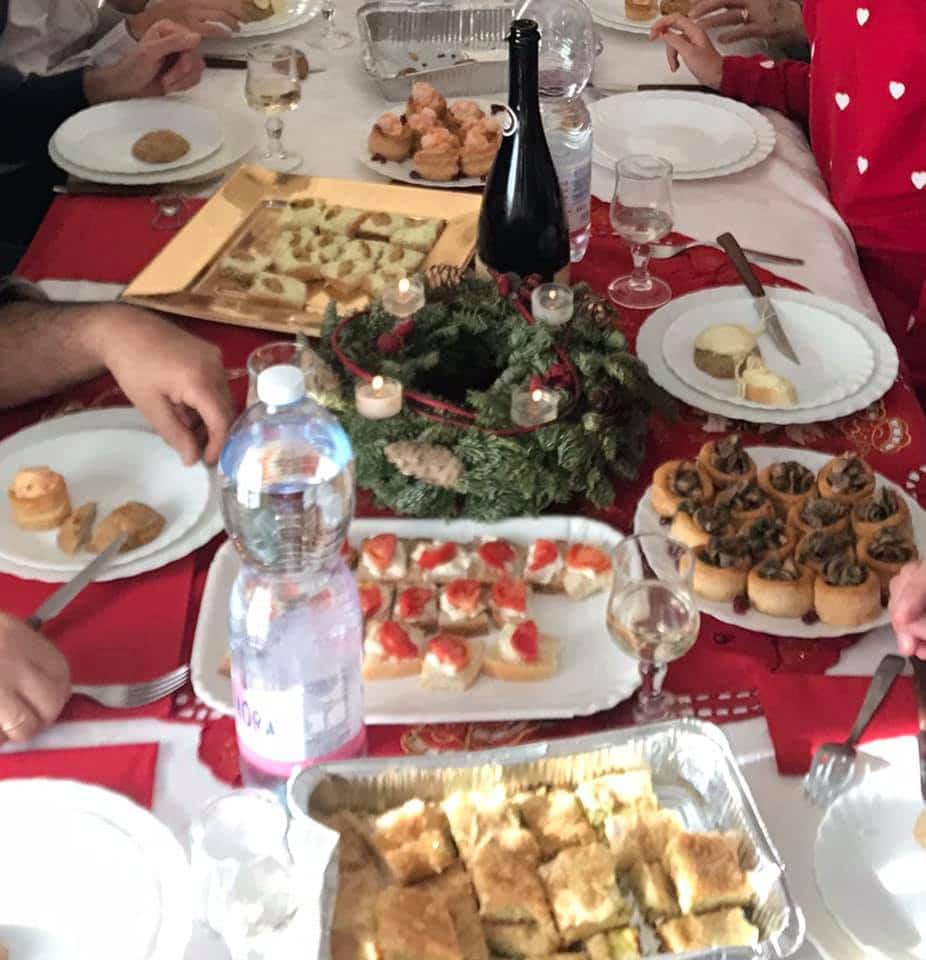
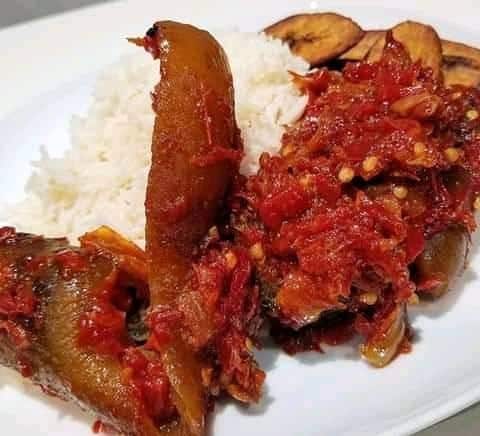
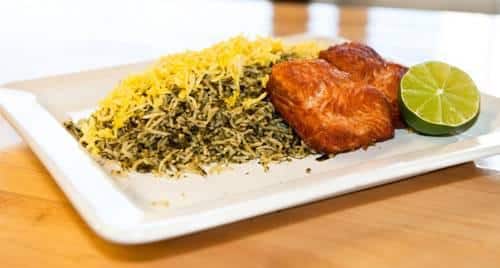
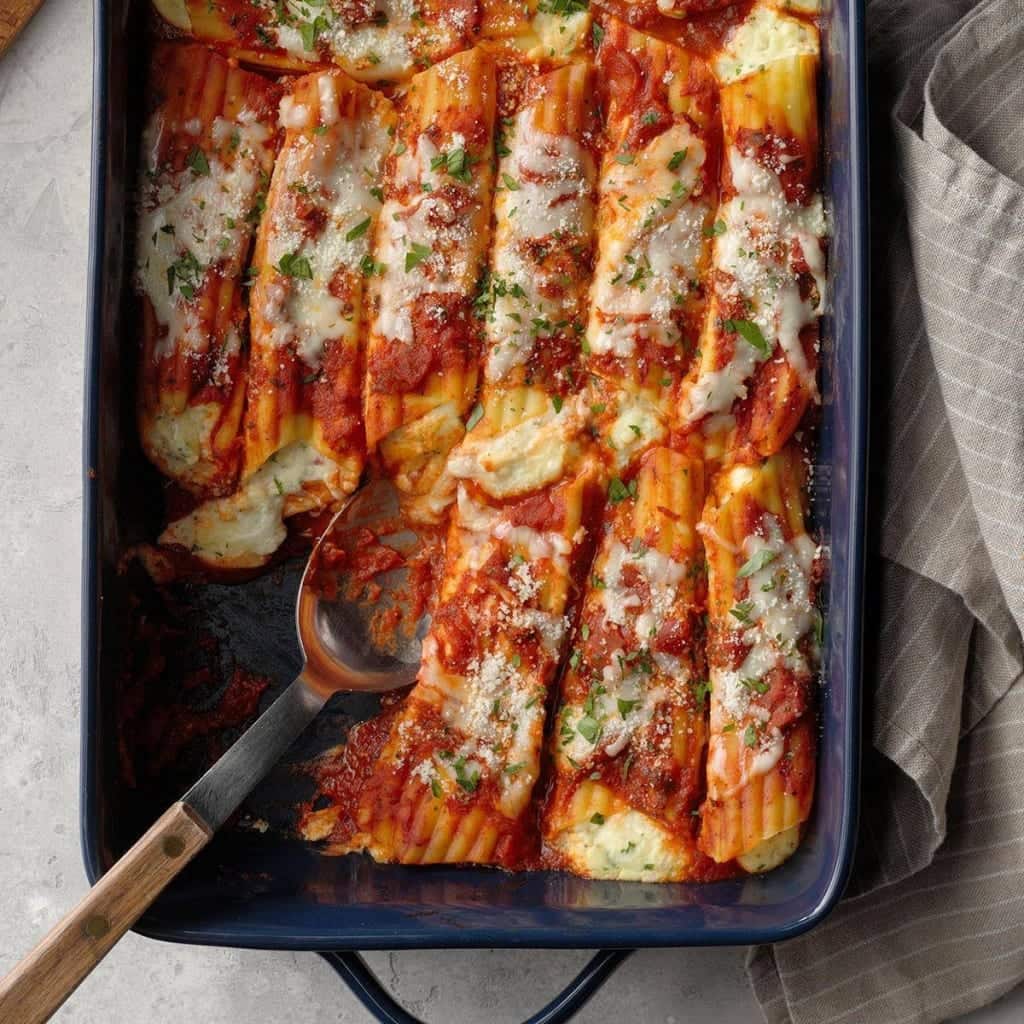
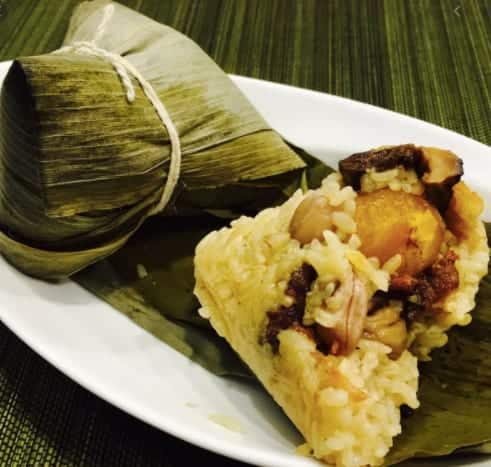
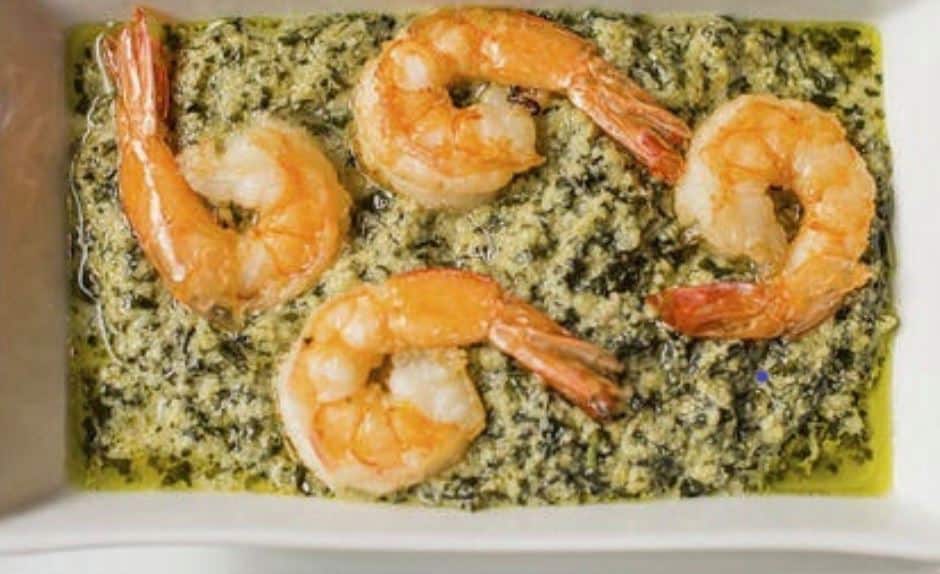
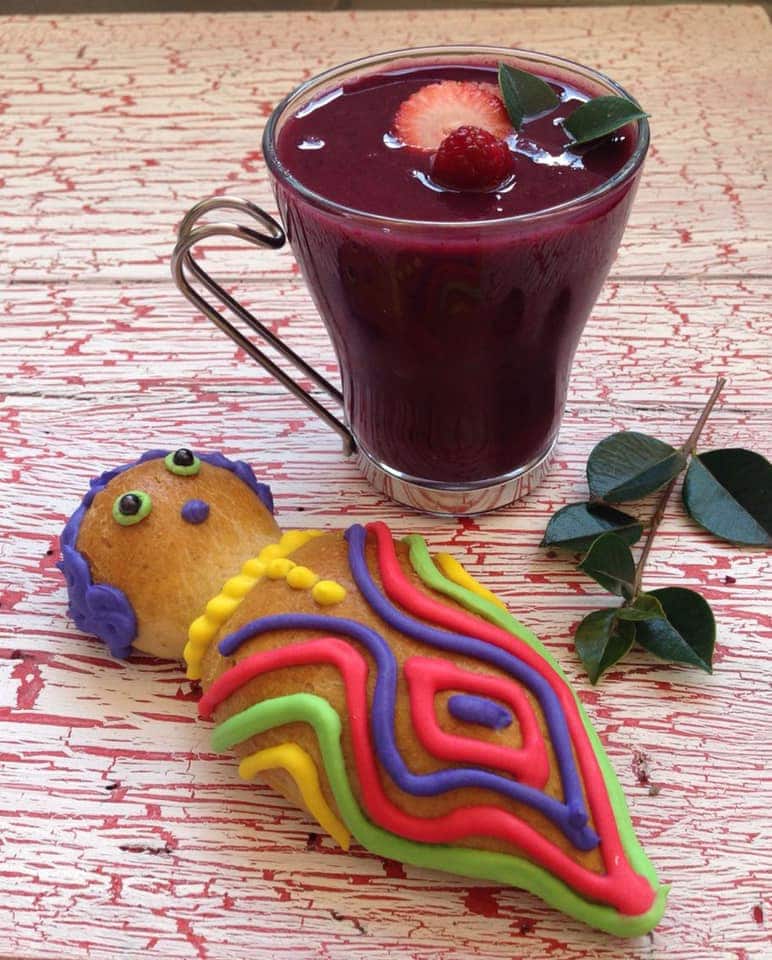
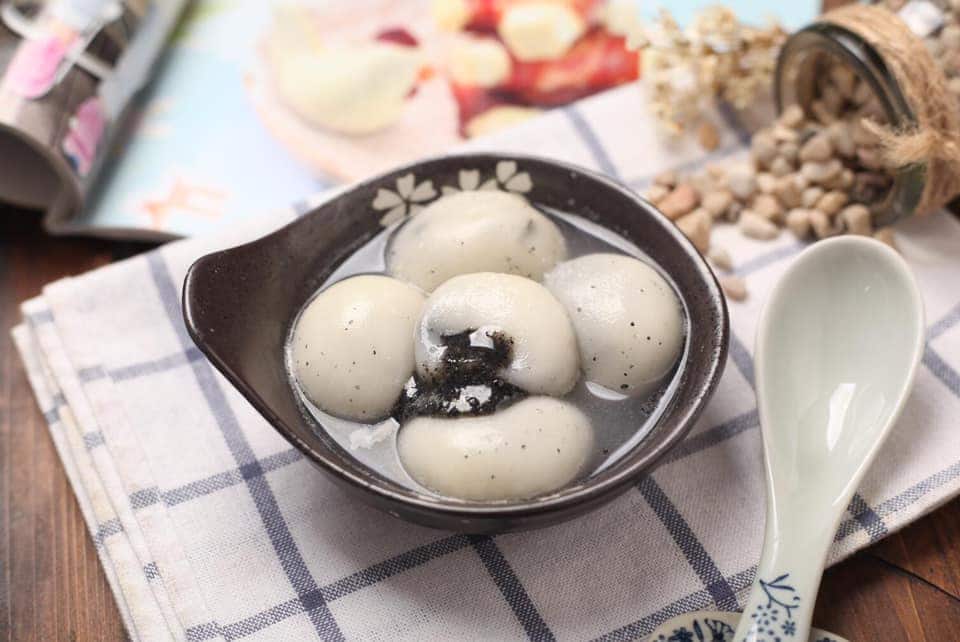
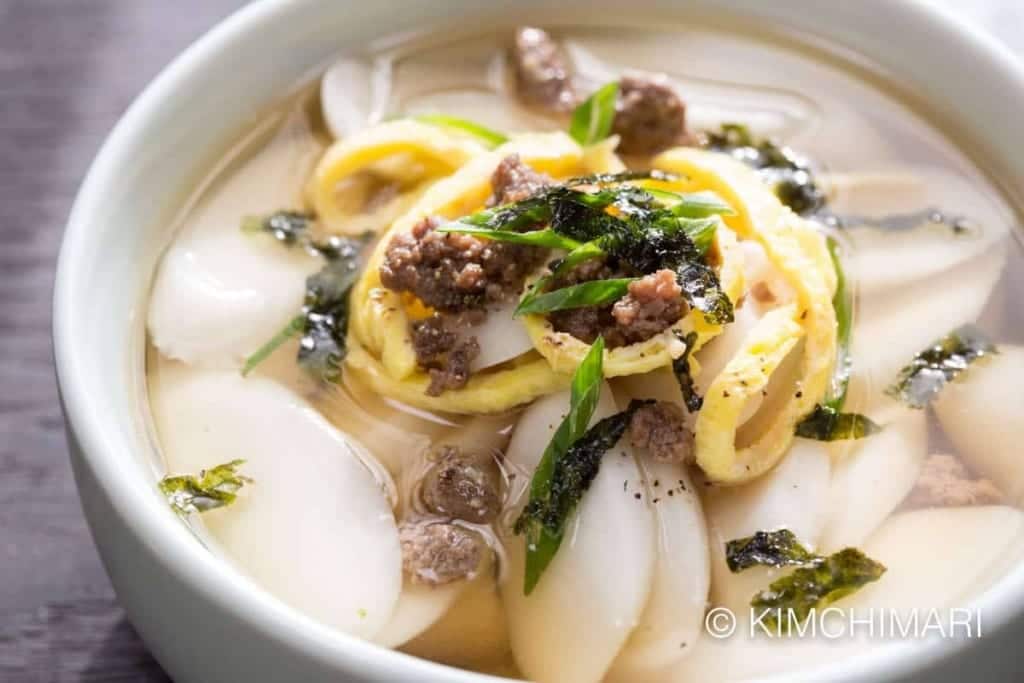
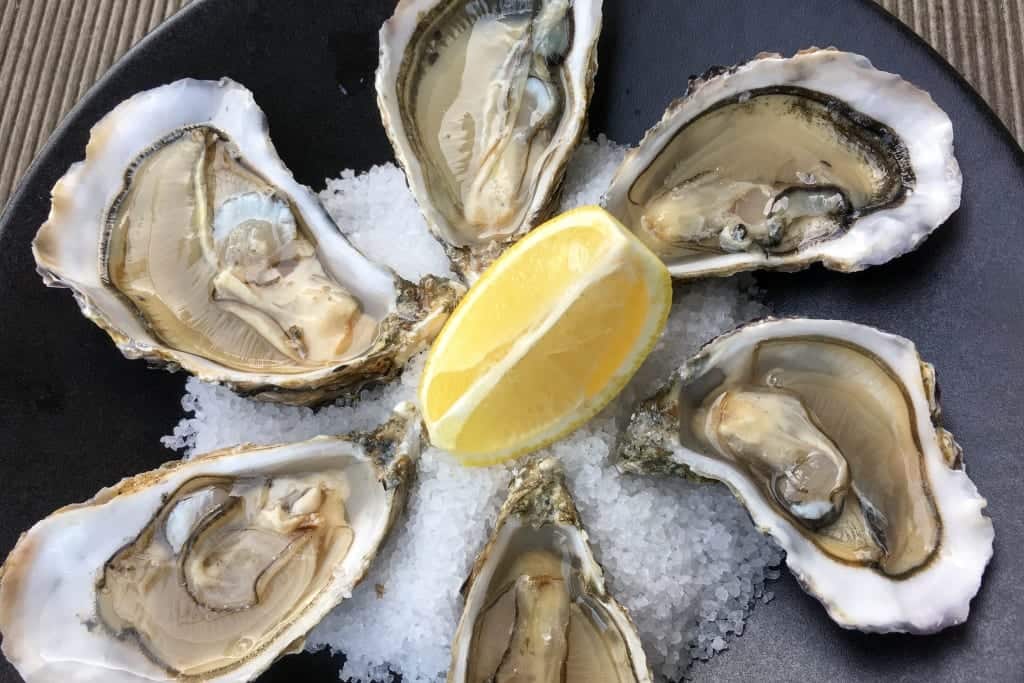
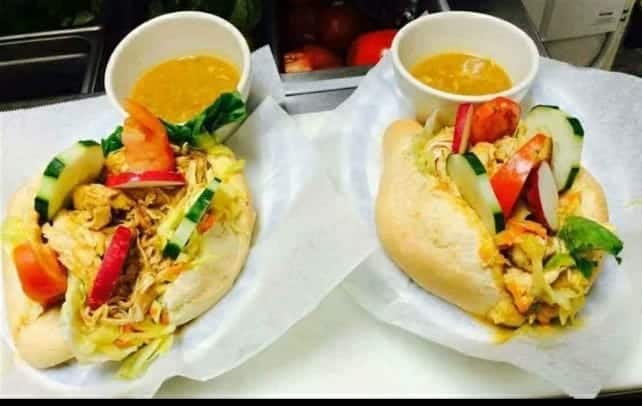
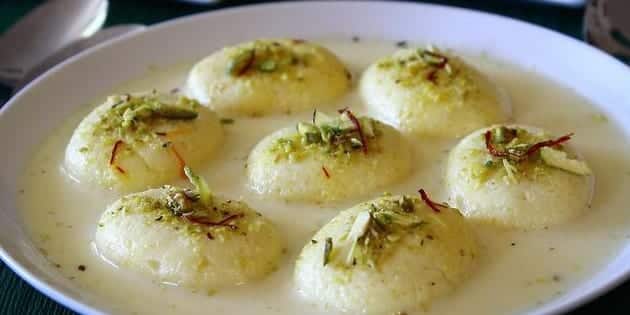
What Does Holiday Food Look Like Worldwide?
Since April this year, Learning Life has been periodically posing questions about food culture to the growing number of family members worldwide who are part of our Family Diplomacy Initiative on Facebook. In October, we asked the sixth and last question: “what is a dish your family likes to make or buy for the holidays?” In this holiday season for many families across the globe, we want to share some of the photos of holiday foods family members submitted, some from the internet, some from their own phones.
For more information about this year’s international food culture project, click here. Stay tuned: a full report and e-books about the project are coming in December and January.
To connect and learn with families worldwide via Learning Life’s Family Diplomacy Initiative on Facebook, click here.
World Food Talk Draws Participants from 9 Nations
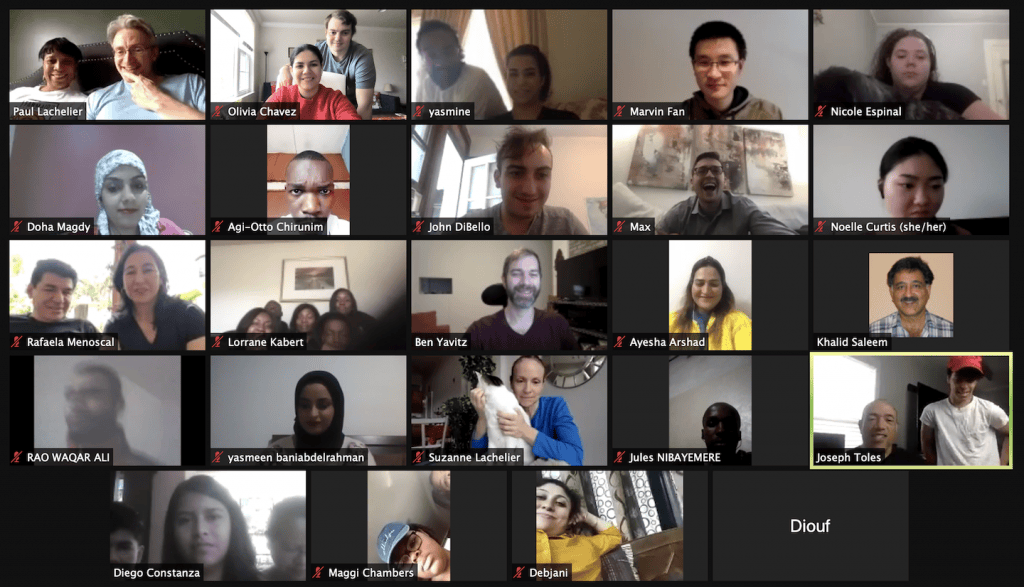
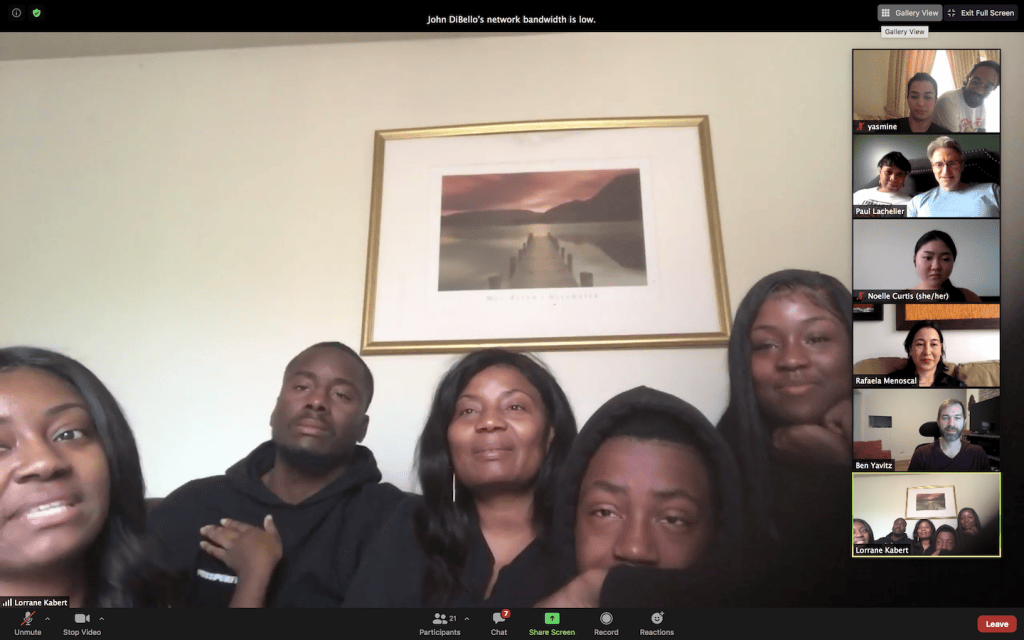
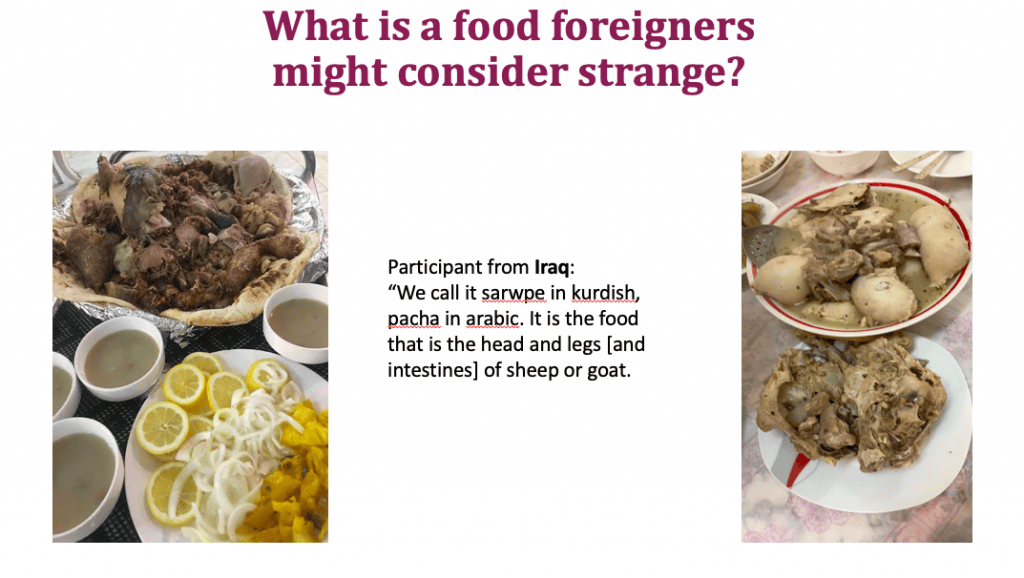
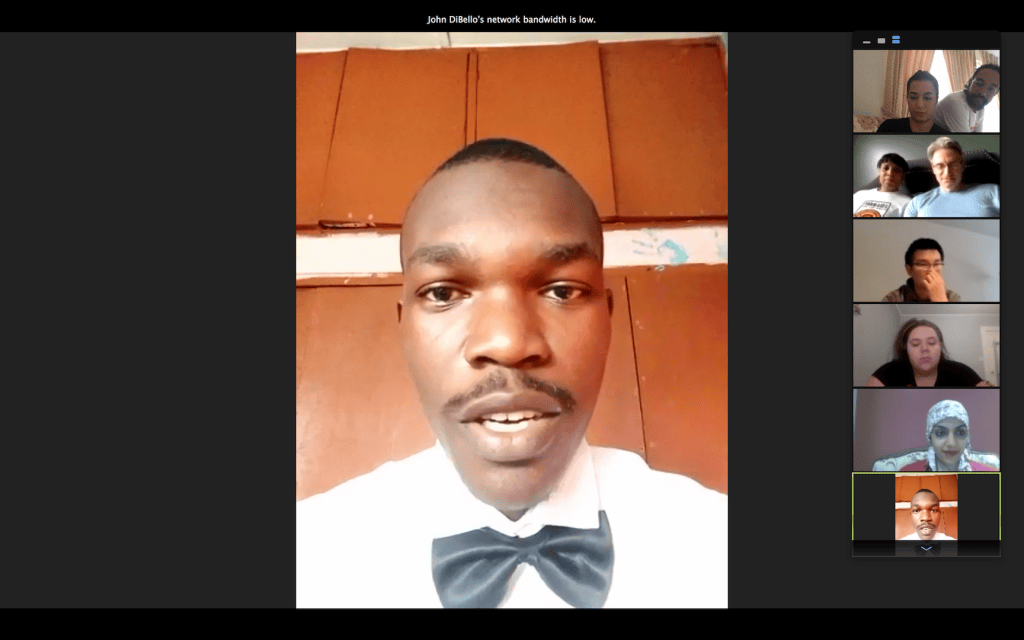
On Sunday, November 15, members of Learning Life’s Family Diplomacy Initiative and some of their family members gathered live via Zoom to talk about world food culture. Hailing from nine nations worldwide — the USA, El Salvador, Ecuador, Senegal, Nigeria, Burundi, Egypt, Pakistan and India — the 39 international dialogue participants discussed food scarcity and waste, the influence of power on food habits, generational differences in food consumption, and other topics. For a recorded video segment of the dialogue, click here. For photos and presentation slides from the discussion, see below.
For more information about this year’s international food culture project, click here. Stay tuned: a full report and e-books about the project are coming in December and January.
To connect and learn with families worldwide via Learning Life’s Family Diplomacy Initiative on Facebook, click here.
This Sunday: Join Our Family World Food Talk Live!
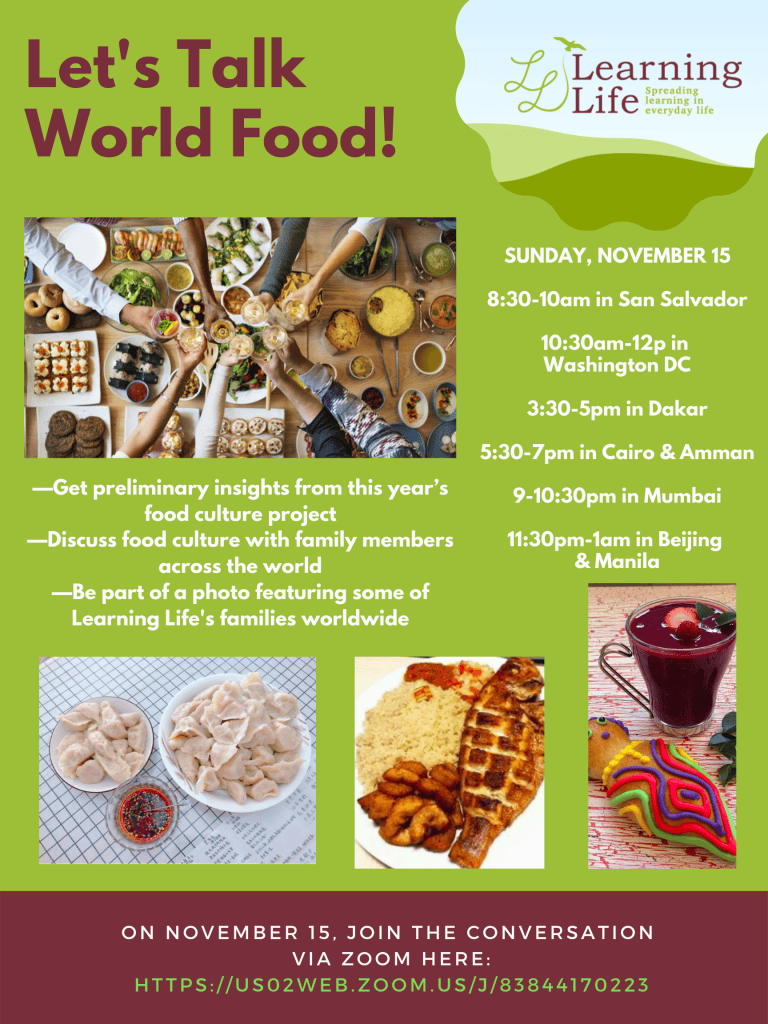
Learning Life is pleased to announce that this Sunday, November 15, 10:30am-12:00pm EST, we will be hosting our Family Diplomacy Initiative‘s (FDI) first live event via Zoom. The event will bring together some of the growing number of families worldwide who are part of FDI on Facebook to discuss preliminary findings of our international food culture project. The detailed meeting agenda and Zoom link are below. Please let us know at email@learninglife.info if you plan to join us with your family!
MEETING AGENDA
On Sunday, November 15, at 10:30am EST (Washington DC/New York time), please join us via Zoom here.
Family introductions
To introduce your family, please briefly indicate:
Each family member’s name, and family relation (e.g., mother, father, son, daughter, grandfather, grandmother, etc.)
The city and country you live in
Pets are welcome if you consider them part of your family. As you prefer, one person in your family can introduce everyone, or each person in your family can introduce themselves.
Photo time!
We will take group photos to show some of the many families connected with Learning Life and our Family Diplomacy Initiative (FDI).
The photos will be used to help publicize and grow FDI. If you are willing to help grow FDI by having your family in the photos, please let your family know in advance of this meeting, and have them ready to gather in front of your phone or laptop so we can take the photos. If you would rather not be in the photo, you can turn off your video while we take the photos.
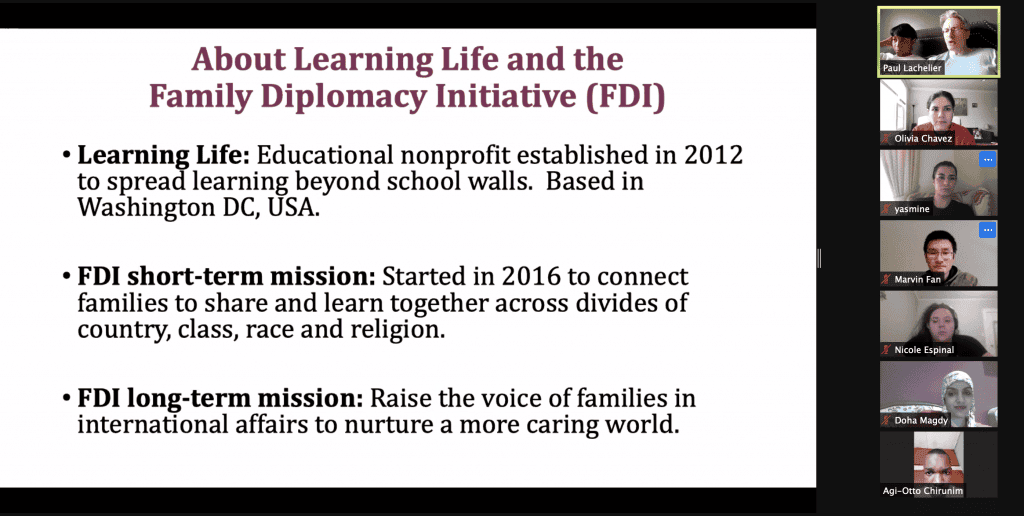
Brief presentations: FDI and the 2020 world food project
About FDI and the food project
Numbers and country origins of FDI members, and food project participants
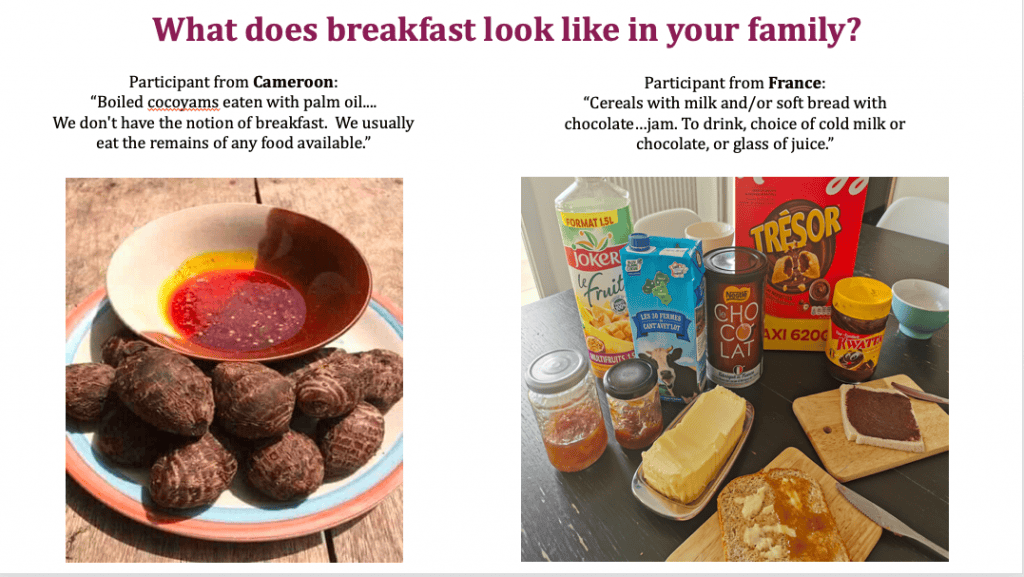
A first look at the project’s participant and food culture e-books
Let’s talk food! Discussion of the world food project
We will briefly report some interesting early project findings. Then, we will spend up to 30 minutes in an open discussion of the following questions:
For those of you participating in the project: what have you found most interesting?
Whether you are participating in the project or not:
What do you think of these early findings?
What do you observe about world food differences? You might consider any of our six project questions below, and think about how you’d answer any of the questions, and how you think families in other parts of the world might answer these questions differently.
The food project questions:
What does a typical breakfast look like in your family?
What does a typical dinner look like in your family?
What is a food trend happening in your country? A food trend is any new and popular food or way of eating.
What is a “comfort food” that your family often eats? A comfort food is a food your family finds comforting to eat.
What is a food people eat in your country that you think foreigners may consider odd or unusual?
What is a holiday your family celebrates, and what is a dish your family likes to make or buy for that holiday?
What comes next?
We will explain what comes next in the food culture project this year, and tentative plans for the Family Diplomacy Initiative in 2021.