Learning Life is pleased to announce the release of a new video about our organization.
In the video, Learning Life’s founder, Paul Lachelier, lays out the challenges Learning Life tackles:
“Across the world, most people live in communities segregated by class, race, religion and other social divides. That segregation breeds distrust, inequality and polarization.
“At the same time, many people across the world feel powerless in the face of so many big, deadly problems, from crime and terrorism, to war, disease and climate change.
“In the midst of such problems, a lot of people spend a lot of time on screens to find entertainment and escape, drawing an ever sharper distinction between absorbing digital distractions and often frustrating yet inescapable realities. And that digital distraction is fueling social disconnection, loneliness and depression, among other problems.
“In our increasingly diverse, interdependent world, we need places to connect meaningfully, online and in-person, across lines of difference, to learn about each other and to work together toward shared goals. We need communities where people of all ages feel connected, learn, have fun, and find power and purpose in together addressing our world’s myriad challenges.”
Lachelier then introduces Learning Life’s mission, what distinguishes us from other educational nonprofits, four elements of our approach, and our now three programs. This year, alongside our Family Diplomacy Initiative, and Democracy Learning Community, Learning Life added a third program — Citizen Diplomacy International — which called for an update to Learning Life’s introductory video. The new video also includes a wider and more current range of photos and videos. Please watch the new video on Youtube, like it, and share it:
Thanks to Learning Life intern and George Mason University Film & Video Studies new graduate Aqwia Harris for working closely with Paul Lachelier to produce this new video. Congratulations, Aqwia on the video and your graduation!
Help the Daughters of a Deceased Learning Life Participant
On June 1 this year, Learning Life participant and single father, Adrian Winslow, died of a heroine overdose in Washington DC, leaving behind his mother, Susan (Adrian was her only child), his wife, now widow, Alvina, daughters Kaliah and Samya Curtis, an older son Kallil, and Kallil’s own son, Adrian.
For about 7 years, from 2016 to 2022, through Learning Life, I worked directly then indirectly with Adrian and his two daughters as we ran a small International Mentoring Program (ended in 2022) and our growing Family Diplomacy Initiative (FDI) to help lower-income families in Washington DC’s economically poorest wards — Wards 7 and 8, east of the Anacostia River — learn about the wider world through foreign festivals, potlucks, restaurants, readings, and other activities in DC, plus live dialogues online with families abroad in El Salvador, Senegal and Jordan.
Starting in 2020, the same year the Covid pandemic began, I gradually lost touch with Adrian, Alvina, Samya and Kaliah as Learning Life shifted its focus more toward scaling up our Family Diplomacy Initiative online internationally, and phasing out our harder-to-scale mentoring program.
Then, on June 3, as I was preparing for a Learning Life event in DC, I got a call from Alvina. Through tears so strong I could barely understand her, Alvina informed me that Adrian had died, in her presence, after she pleaded with him not to take the heroine.
Adrian was a good person. He joked and laughed a lot, bringing humor to his family’s chronically grim surroundings in SE DC. At a young age, before he took addictive drugs, Adrian proved a talented dancer, which helped give him the opportunity to tour internationally with a DC dance group in Paris, Moscow and Accra. Years later, in 2016, that international experience stimulated his interest in our programming, and giving his own daughters an international experience.
We (Learning Life volunteers) did our best to provide enriching educational experiences for Adrian and his daughters, and Adrian participated often with his daughters. But we could not alone change the difficult circumstances in which Adrian and his family lived, including the ready availability of drug dealers eager to profit from and prey on others’ past or present addictions, nor the more serious, widespread and systemic problem of residential segregation, wherein some people are lucky enough to be born into neighborhoods with concentrated advantages (from households with higher education, income and wealth, lower crime rates and more volunteerism, to better equipped schools and libraries, to more supermarkets, parks and mature trees that produce oxygen and cool temperatures), while others are unlucky enough to be born into the opposite: concentrated disadvantage.
Learning Life can’t alone change that root problem of residential segregation. That typically “takes a village,” including the public will, and concerted, coalition effort over years. However, Learning Life can alone connect those born unlucky to opportunities, and that’s one of the things we do through our growing learning communities.
On Friday, June 23, I attended Adrian’s funeral. There I met Adrian’s mom, Susan, his son Kallil, and his wife and son, and reconnected with Alvina, Samya and Kaliah. As we reconnected, I asked Kaliah and Samya what they could use help with. Kaliah told me, with poise, in her characteristically soft voice, that she would like to run track, but her school doesn’t offer track. Samya reported she’s working to get her real estate license, so the thought of having a mentor in that field excited her. And so, I’m asking you, as someone connected to Learning Life, and if you know people in or near Washington DC, whether you can recommend individuals who might be able to help Kaliah find a running group, and Samya a real estate agent willing to mentor her. It is not necessary, but would be great if these individuals you know live in Virginia, Maryland or DC close to Ward 8, in southeast DC, where Kaliah and Samya live with their grandmother.
You can reach me at paul@learninglife.info with any contacts. Thank you in advance for your help.
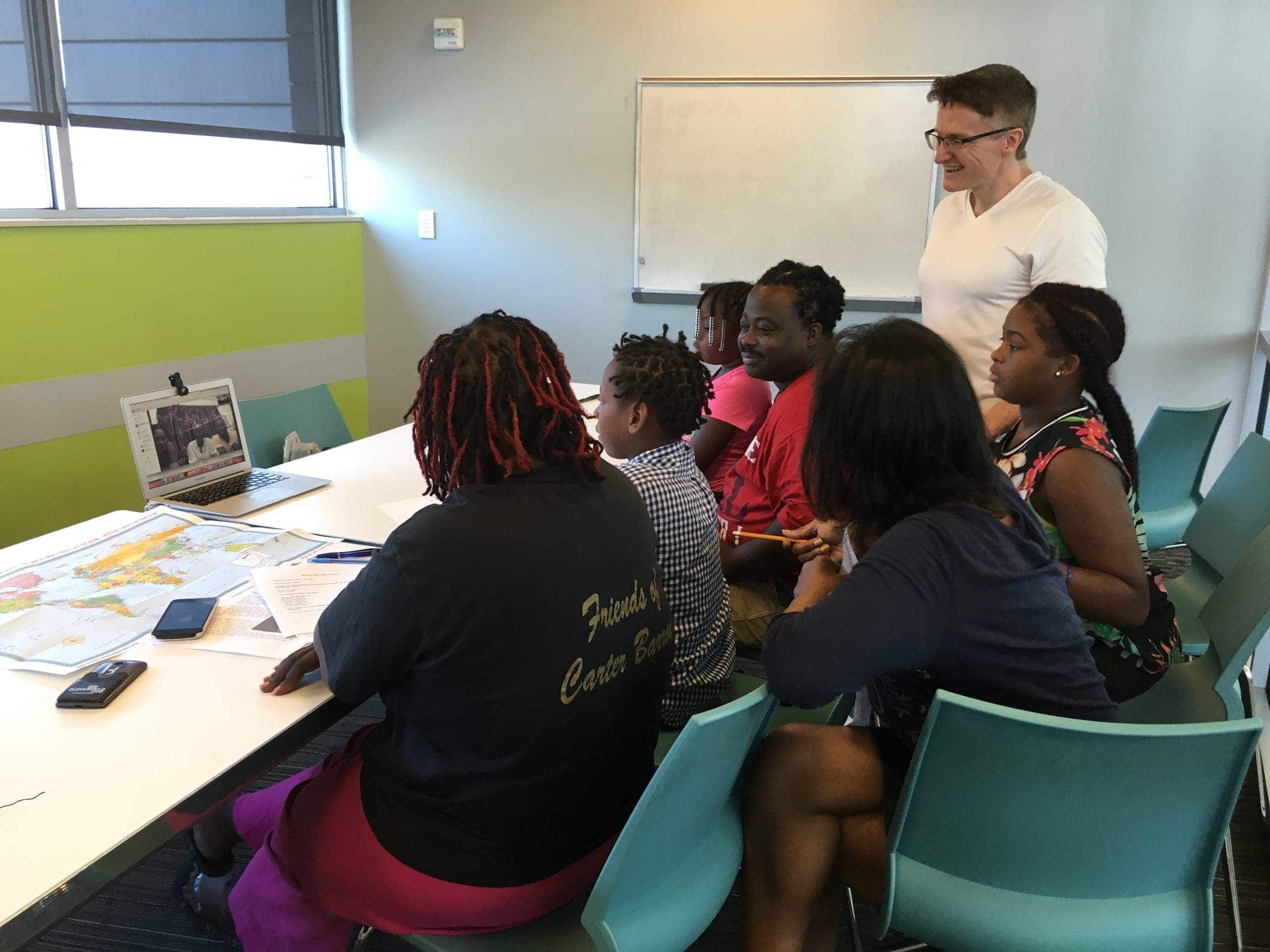
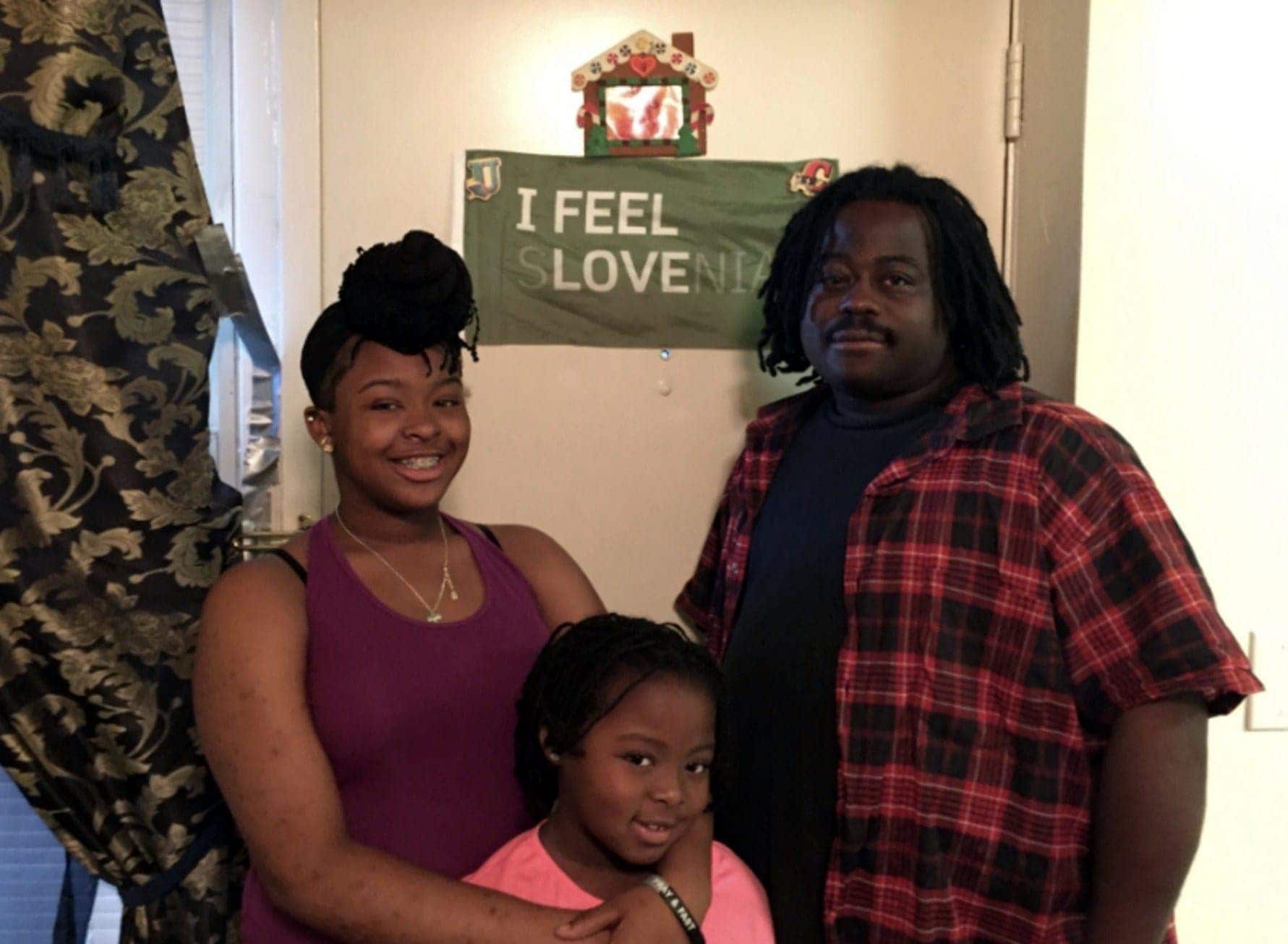
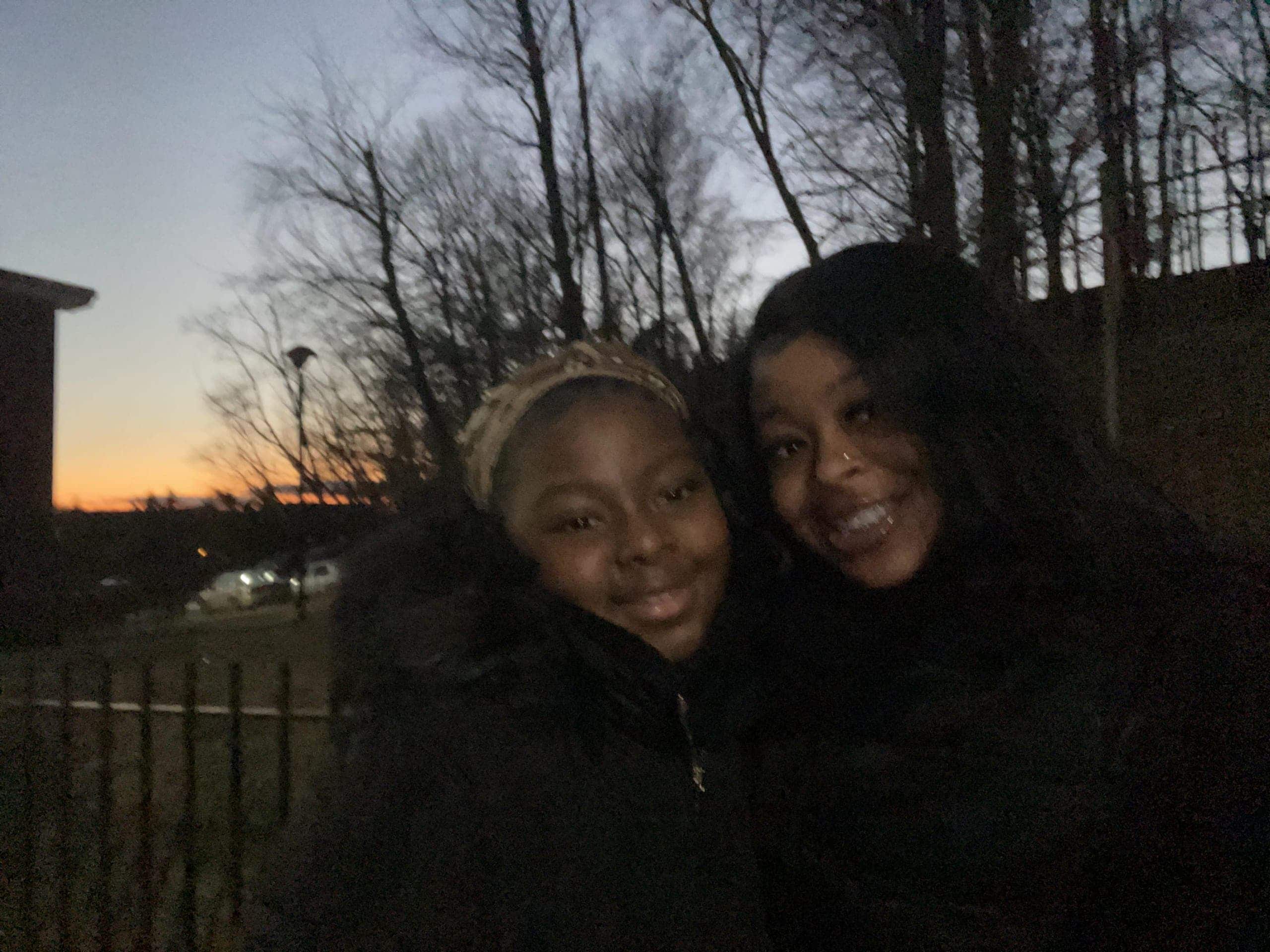
P.S. Attached below are, in order in which they appear, photos of: (1) a live international FDI family dialogue we ran in 2016 including Adrian, Samya, Kaliah, another DC family, and a family online in Senegal, (2) Adrian and his daughters Samya and Kaliah around 2017, and (3) Samya and Kaliah in 2023.
Learning Life Establishes an Advisory Council
Learning Life is pleased to announce the formation of an Advisory Council to help guide our work.
The Council proceeds the inauguration of Learning Life’s Board of Directors and Board of Advisors (BOA) in January and February 2021, respectively, and our establishment as an independent nonprofit in July 2021. The Advisory Council expands the number of advisors informing Learning Life’s work in education, democracy and diplomacy, but contrasts with the BOA in that the latter holds meetings quarterly, while the former has no regular meetings. This gives our advisor candidates the choice to work regularly with us, or on an ad hoc basis, or to switch from one to the other from one year to another.
“Learning Life has benefited considerably from our advisors. For example, conversations with our advisors improved the fairness and focus of our Family Diplomacy Initiative training, and spurred the development of our media outreach efforts,” explained Learning Life’s Founder & Director, Paul Lachelier.
Click here and scroll to the bottom to learn more about our inaugural Advisory Council members: Golnar Abedin, Joe Brinker, Stefan Cibian, Matt Clausen, Maia Comeau, Patrick McDermott, Sherry Lee Mueller, Andreas Sami Prauhart, Bill Schneider and John Schorr.
Interested in serving on one of our boards, or the Council? Click here to learn more about our boards, and here to learn about the Council.
Citizen Diplomacy Int’l Mtg #18: City Diplomacy
About Citizen Diplomacy International
Due to globalization, the internet, rising education levels, and long-term democratization, citizen diplomacy is growing, and becoming a more important part of diplomacy and international affairs. Thus, in 2020, the Public Diplomacy Council of America (PDCA), a US-based NGO devoted to advancing the field of public diplomacy, formed the Citizen Diplomacy Research Group (CDRG) to advance the research and practice of citizen diplomacy. In 2023, the CDRG became Citizen Diplomacy International(CDI), a network and program of Learning Life, a Washington DC-based nonprofit devoted to developing innovative learning communities in order to widen and deepen participation in democracy and diplomacy.
CDI meets every three months online via Zoom for 1.5 hours to share research and news on citizen diplomacy developments worldwide with an eye to building a vibrant global CD sector for a more participatory, equitable and sustainable world.. Meetings typically begin with two presentations on CD research or practice, followed by discussion of the presentations, then news and announcements of past or upcoming international CD-related initiatives, publications, funding, conferences, etc.
Anyone — including scholars, students, citizen diplomacy practitioners, current and retired official diplomats, and others interested — can join CDI to learn, network, and/or present substantial research or practice in citizen diplomacy. For more information or to join the CDI email list, contact email@learninglife.info. You can also connect with CDI members via our Facebook group and Linkedin group, to which you can post citizen diplomacy-related articles, books, events, funding, etc.
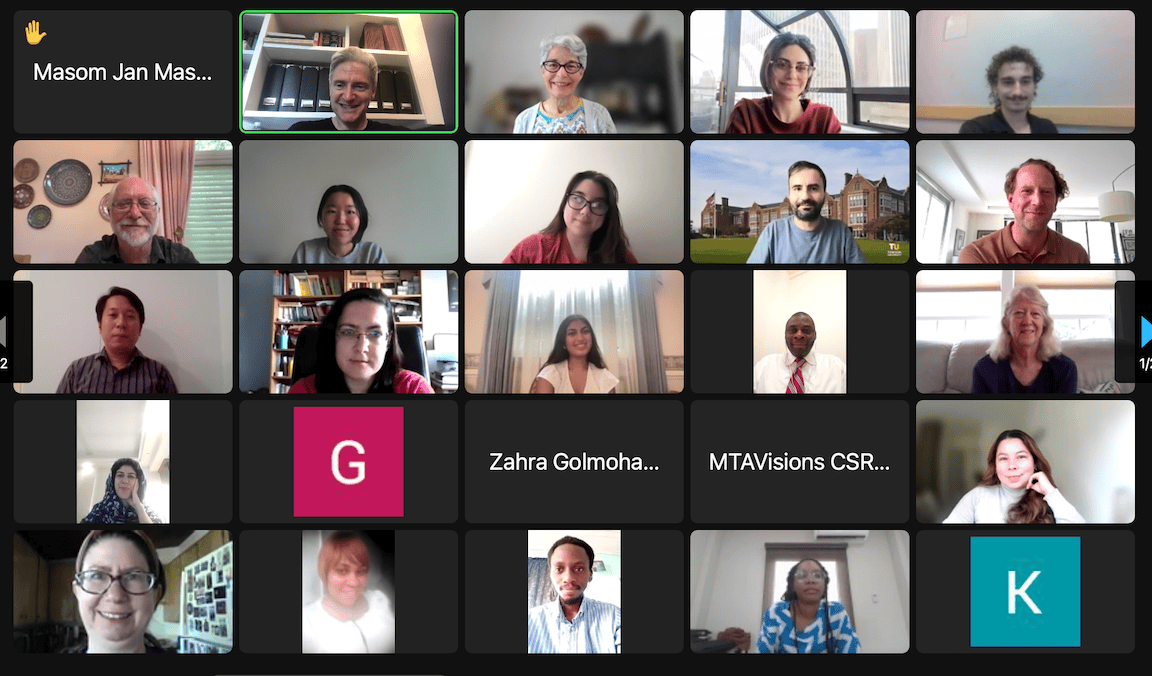
The meeting drew 42 participants from at least 16 countries: The Netherlands, Spain, Germany, Romania, Nigeria, Democratic Republic of Congo, Angola, Rwanda, Afghanistan, Pakistan, South Korea, Philippines, USA, Colombia, Suriname, St Lucia.
Agenda:
1) Opening Remarks & Introductions (10 minutes)
Review of meeting agenda. During this time everyone is encouraged to post to the chat a one-paragraph bio about themselves, including your name, city, country, job title and organization.
2) Two Presentations (30 minutes total):
Presenters:
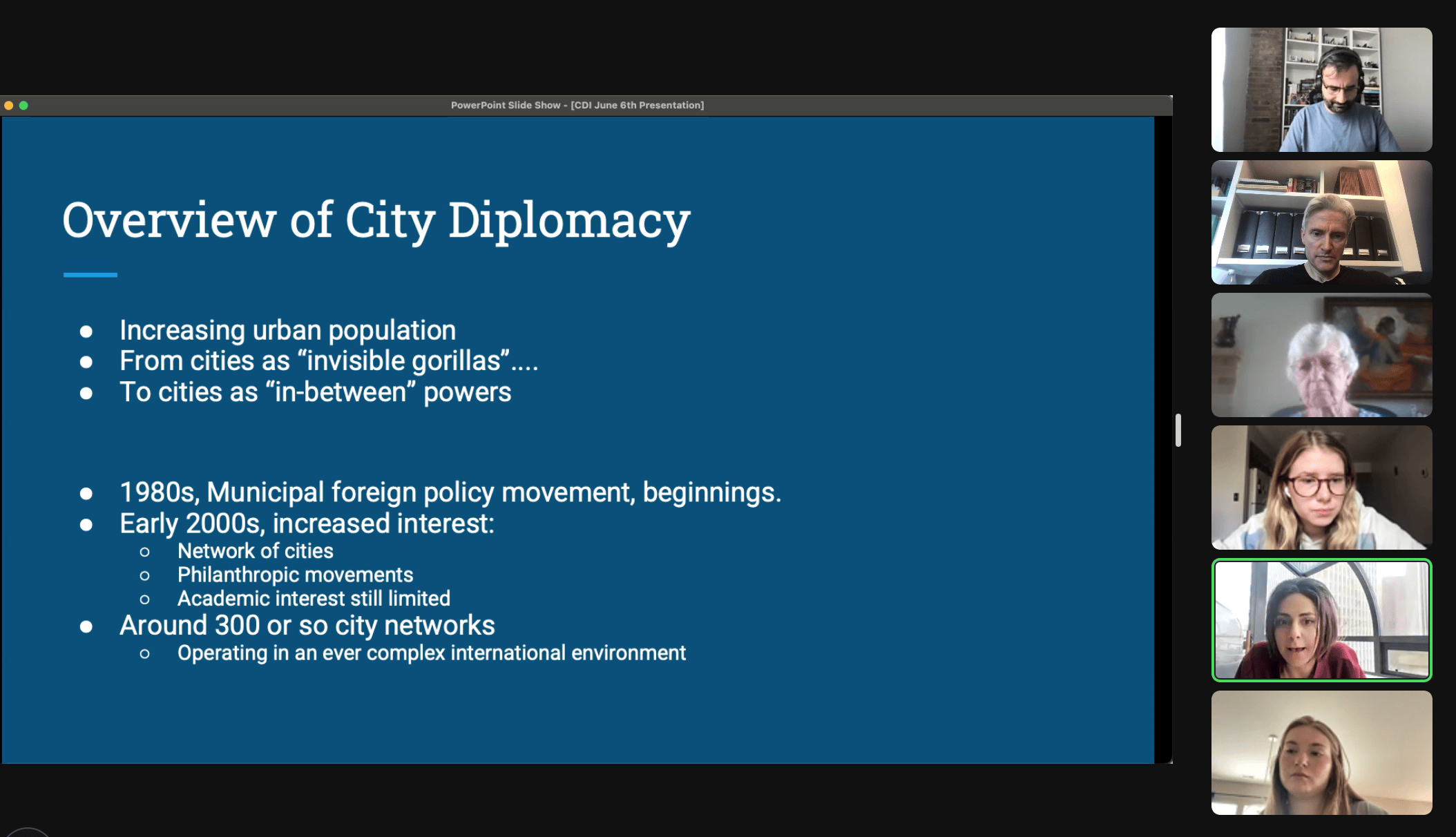
“City Diplomacy: State of the Research” by Sohaela Amiri, Senior Research Specialist, USC Center on Public Diplomacy, and Efe Sevin, Assistant Professor of International Relations, Towson University.
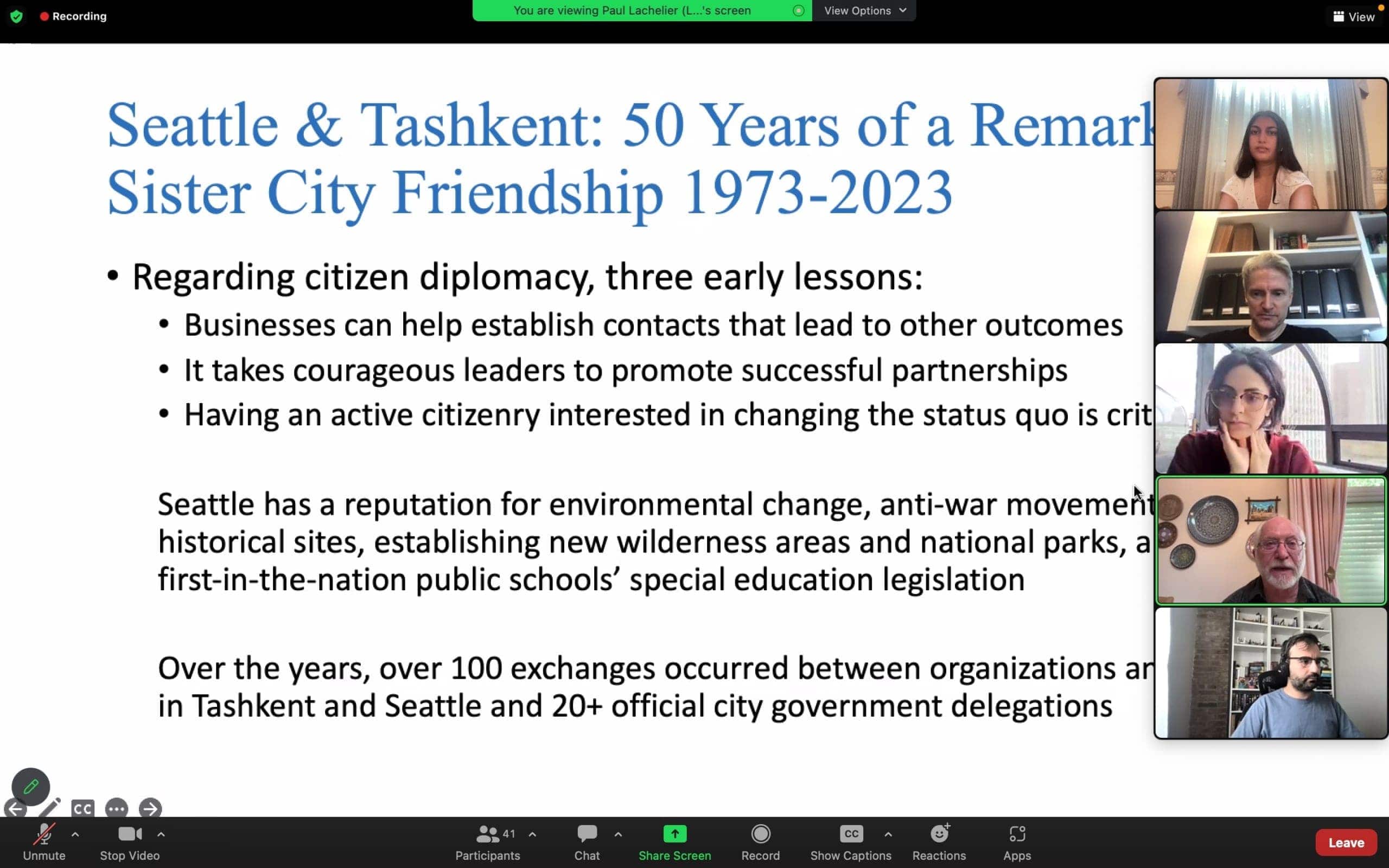
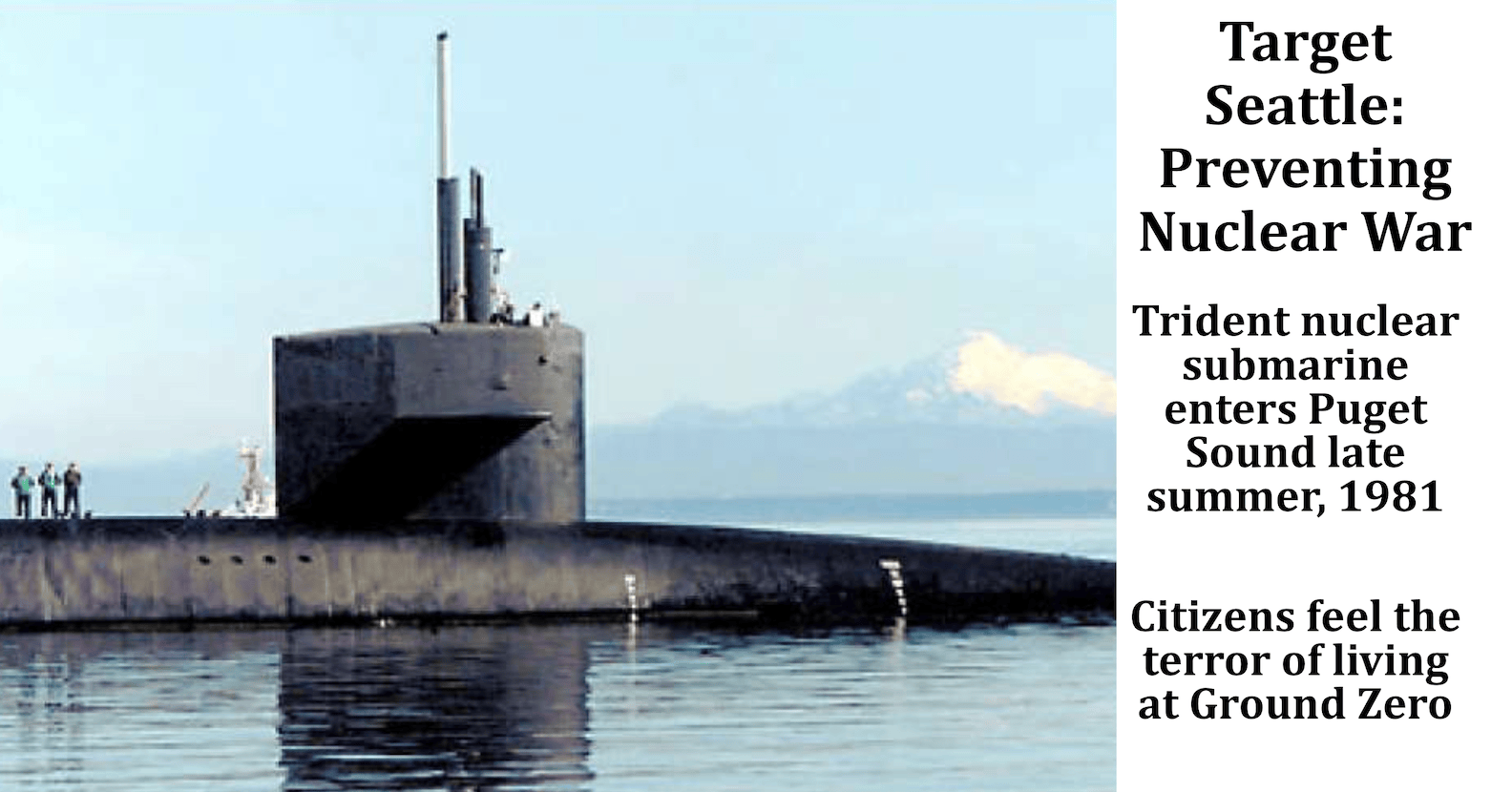
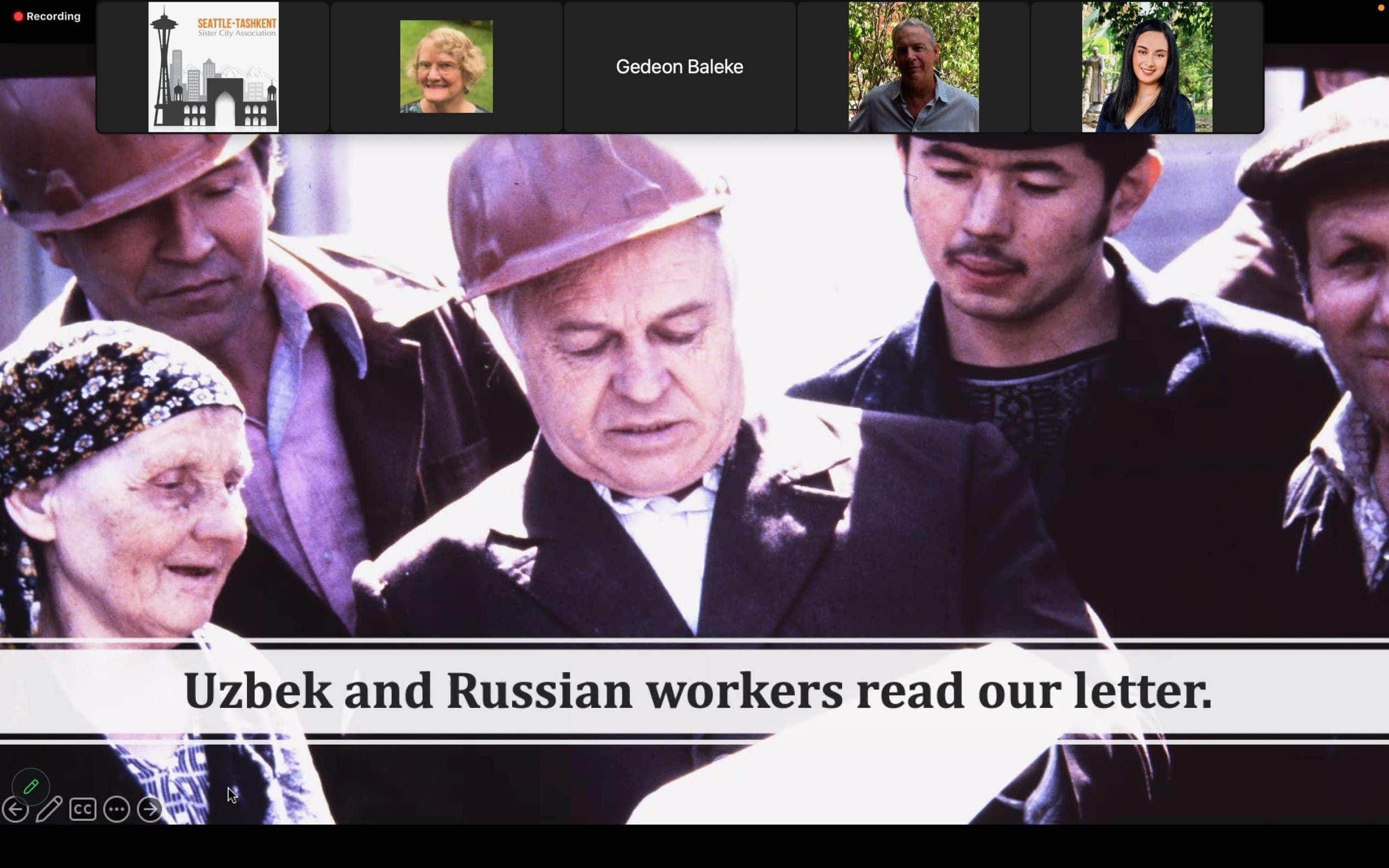
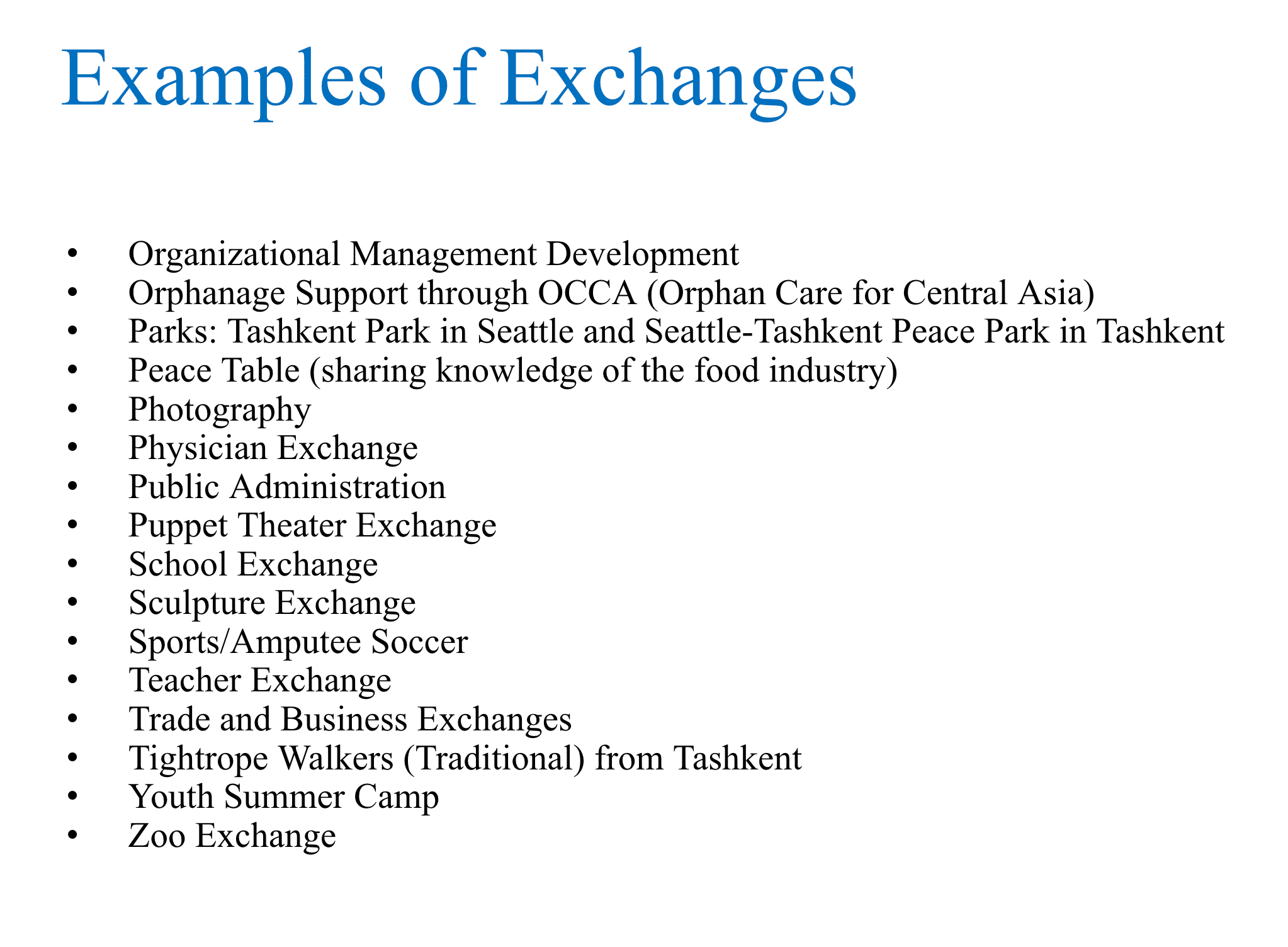
“Two Examples of Citizen Diplomacy: Seattle-Tashkent Sister City and Target Seattle” by Dan Peterson, former President of Seattle-Tashkent Sister Cities Association, and Betsy Bell, co-founder of Target Seattle and author of Open Borders.
3) Questions & Discussion about the Presentations (40 minutes)
Meeting participants have the opportunity to publicize citizen diplomacy events, publications, projects, programs, and related needs. Participants can also post details and links to the Zoom chat box to share with the wider CDI email list.

 “Across the world, most people live in communities segregated by class, race, religion and other social divides. That segregation breeds distrust, inequality and polarization.